November, 2026
Inside Sotheby’s December Sale of European and British Art
From Edwin Lord Weeks’s vision of Amritsar to Hermenegildo Anglada-Camarasa’s vivid European modernism, Sotheb...
Explore more
Rent
Prime
Countryside
South West
Scotland
Latest stories
November, 2026
From Edwin Lord Weeks’s vision of Amritsar to Hermenegildo Anglada-Camarasa’s vivid European modernism, Sotheb...
Explore moreNovember, 2026
What do Sydney Sweeney, Calvin Harris and Beyoncé have in common? Not a film, nor a stage, but a few square mi...
Explore moreNovember, 2026
The UK continues to attract international property buyers, from those seeking a London base to families lookin...
Explore morePublished: 24 November 2026
From Edwin Lord Weeks’s vision of Amritsar to Hermenegildo Anglada-Camarasa’s vivid European modernism, Sotheby’s forthcoming London auction brings together painting and sculpture from across two centuries.
Taking place on 10 December, the 19th & 20th Century European and British Art sale will explore the artistic movements, places and personalities that shaped a period of extraordinary cultural change. The early highlights reveal the geographical breadth of the auction, moving from the Golden Temple in India to the charged world of early 20th-century Spanish painting.
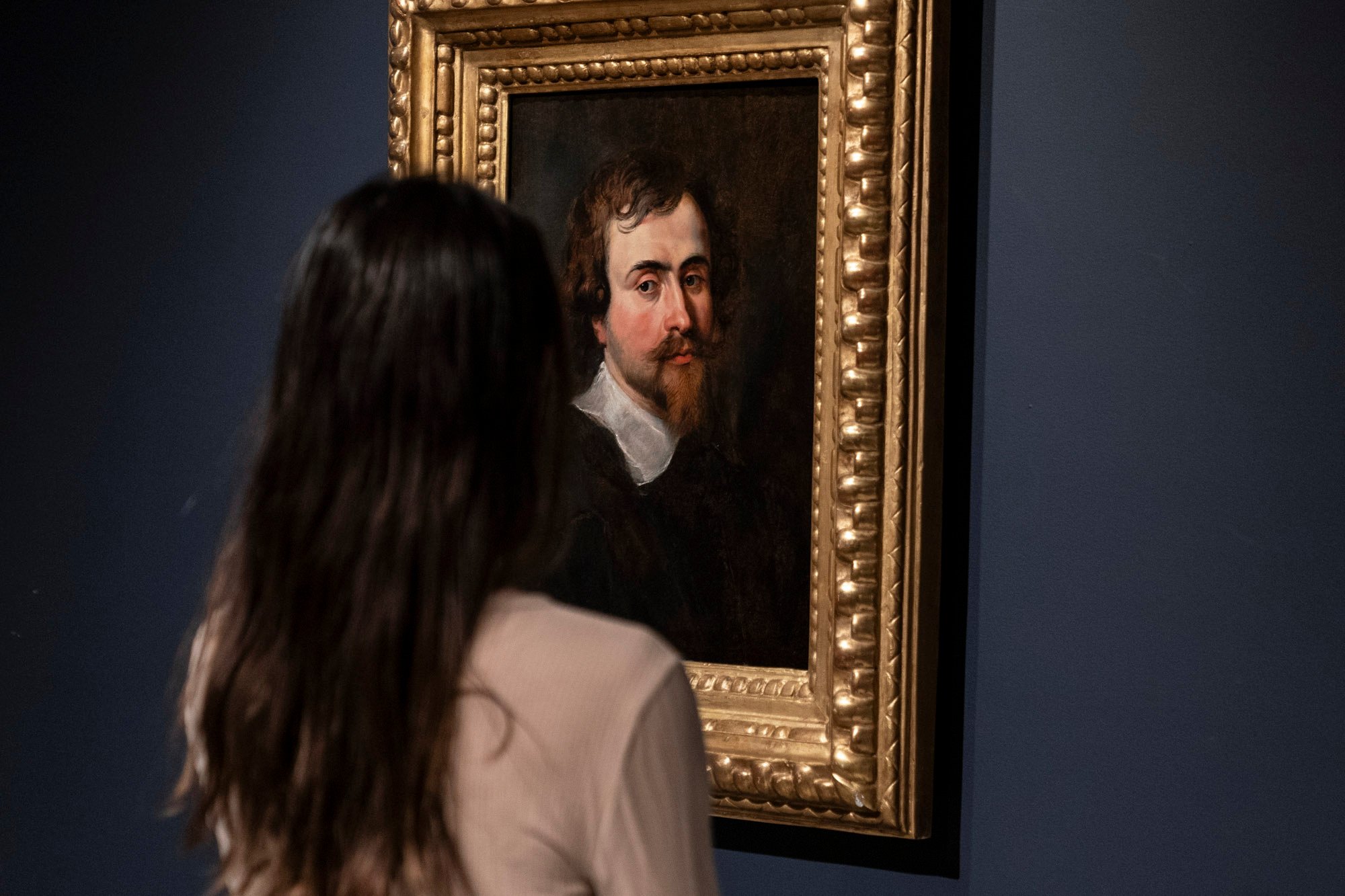
Among the first works announced is Edwin Lord Weeks’s The Golden Temple, Amritsar, offered with an estimate of £20,000 to £30,000.
Born in Boston in 1849, Weeks became one of the most prominent American artists to depict North Africa, the Middle East and India during the late 19th century. Unlike many of his contemporaries, he travelled extensively through the countries that appeared in his paintings, recording their architecture, landscapes and daily life at first hand.
Weeks made his first journey to India in 1882, returning several times during the following decade. In 1892, he travelled overland from Turkey through Persia to India, later publishing an acc ount of the journey in Harper’s Bazaar. His paintings are particularly admired for their architectural detail and sense of sunlight, often placing palaces, mosques and busy streets at the centre of the composition.
The Golden Temple, Amritsar turns his attention to one of India’s most recognisable religious buildings. The subject reflects Weeks’s longstanding fascination with the country’s architecture, as well as the eye for scale, colour and observation that defined his work.
At the upper end of the announced estimates is El aperitivo by Hermenegildo Anglada-Camarasa, expected to achieve between £200,000 and £300,000.
Born in Barcelona in 1871, Anglada-Camarasa established his reputation in Paris, where he became known for rich colour, experimental brushwork and scenes drawn from the city’s nightlife. His work placed him among the most internationally recognised Spanish artists of his generation.
Colour remained central throughout his career. His early paintings captured the theatrical atmosphere of Parisian society, while his later move to Mallorca brought a change in subject. Landscapes replaced many of the crowded interiors and figures of his Paris years, although the saturated palette and thick application of paint remained.
The title El aperitivo suggests a social scene drawn from the rituals of European life. Its estimate reflects Anglada-Camarasa’s continued appeal among collectors, as well as the importance of his work in the development of Spanish modernism.

The sale places these works within a wider survey of European and British art from the 19th and 20th centuries. It is a period that encompassed enormous shifts in artistic life, from grand narrative painting and closely observed scenes of travel to Impressionism, modernism and increasingly experimental approaches to colour and form.
Sotheby’s London has a strong history in this field, with previous sales including works by leading Victorian, Pre-Raphaelite, British Impressionist and European artists. The December auction will offer collectors the opportunity to see how artists working across different countries responded to the changing world around them.
The pre-sale exhibition will be open at Sotheby’s London from 3 to 9 December, giving visitors the opportunity to see the works before the auction.
19th & 20th Century European and British Art takes place at Sotheby’s London on 10 December 2026 at 3pm.