November, 2026
Why American buyers are falling for the British countryside
What do Sydney Sweeney, Calvin Harris and Beyoncé have in common? Not a film, nor a stage, but a few square mi...
Explore more
Rent
Prime
Countryside
South West
Scotland
Latest stories
November, 2026
What do Sydney Sweeney, Calvin Harris and Beyoncé have in common? Not a film, nor a stage, but a few square mi...
Explore moreNovember, 2026
The UK continues to attract international property buyers, from those seeking a London base to families lookin...
Explore moreNovember, 2026
In our Q3 2026 sales analysis, 10% of sales involved properties held in a special purpose vehicle, or SPV. For...
Explore morePublished: 29 September 2026
Letting your house by the night can pay well. It also comes with more paperwork than most owners expect, and a little more each year.
England has promised a mandatory national register of short-term lets by March 2027. Wales opens its own in October, and Scotland has required licences since 2022. If you have been wondering whether your second home, or the annexe you never quite found a use for, might earn its keep with holidaymakers, the rules are where to start. Buy the good towels afterwards.
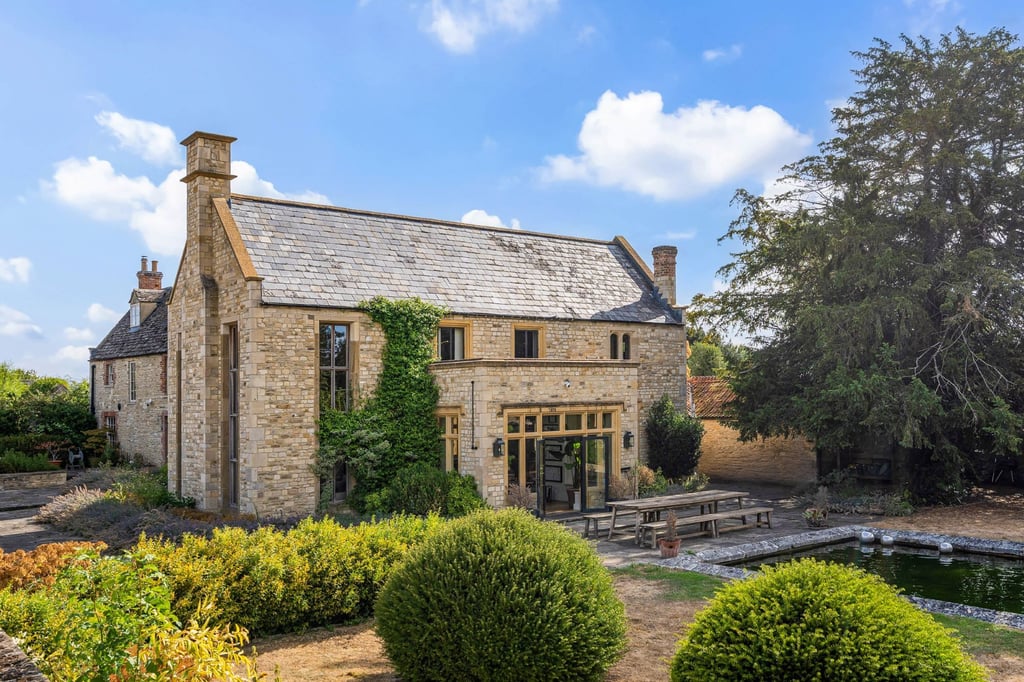
Scotland is furthest ahead. Hosts need a council licence (new hosts since October 2022, existing ones since October 2023), and letting without one is an offence.
In Wales, anyone taking bookings of 31 nights or fewer must register with the Welsh Revenue Authority by 31 March 2027. Registration opens in October and costs nothing; the first penalty for ignoring it is £100 per property.
England is the laggard. The government has said its register will be fully operational by March 2027, but fees and requirements have yet to appear. Planning is a separate matter. In Greater London, letting an entire home for more than 90 nights in a calendar year needs planning permission, and some councils elsewhere have used Article 4 directions to restrict short lets. Ring your planning department before you list.
Many residential and buy-to-let mortgages prohibit holiday letting, and letting without telling your lender puts the loan at risk. Some lenders will consent; others will move you onto a holiday-let product at a different rate. Leaseholders should read the lease for restrictions on short stays. Then ring your insurer. An ordinary home policy is unlikely to respond if a paying guest is hurt, and you want to learn that from a broker, not from a claim.
The tax position changed in April 2025, when the furnished holiday lettings regime was abolished. Your income is now taxed as ordinary property income, and relief on mortgage interest is a 20 per cent credit instead of a full deduction. For a higher-rate taxpayer with a mortgage, that can take a meaningful bite out of the return, so see an accountant before you commit.
Then do the sums on an occupancy rate that would disappoint you. Cleaning after every stay comes out of the takings, and so does the cost of heating a large empty house in February. If the figures still stand up on a bad year, carry on.
Somebody who has never been in your house needs to find the light switches and the boiler without a phone call. Clear the shelves of anything you would mind being picked up, but leave the books, because guests do read them. Spend the money on the bed: a good mattress and two kinds of pillow. Stock the kitchen with a sharp knife and a working corkscrew, and fill the log basket if there is a stove.
The garden is your best selling point in summer and an afterthought in winter, so plan for both. Cut the lawn and paint the front door. Buy a table and chairs that can stay out in the rain, and add a string of outdoor lights so that evenings do not end at dusk. With no garden to speak of, a few pots of herbs by the door will do.
Have a Gas Safe engineer check any gas appliances every year, and have the wiring inspected by a qualified electrician; a report every five years is widely regarded as good practice. Fit working smoke and carbon monoxide alarms, and check that the sofas and mattresses meet fire safety standards. You will also want a written fire risk assessment, which in Scotland must be in place before you apply for a licence. Keep every certificate in one folder, because registration schemes are likely to ask for them.
A professional photographer is the best money you will spend, so book one for a bright day and tidy the house properly first. Look at what comparable properties nearby charge, and set higher rates for school holidays and Christmas. A two-night minimum at weekends cuts down on turnover. Once registration is live in your part of the country, put your number on every listing.
Write a welcome book with the honest answers: which pub is best and where the bins go. If you live hours away, a local manager is worth their fee, as guests will not wait until Monday for a blocked drain.
The England register is due by March 2027, and a draft Bill in Wales points to a full licensing scheme in due course. Review your arrangements every year. If you are buying with letting in mind, or wondering how it might affect the value of your home, your local Sotheby's International Realty adviser can help you weigh the local market.
This article is general guidance, not legal or tax advice. Please consult a qualified professional about your own circumstances.