

Published: 15 April 2026
For many families, moving to London begins with a sense of possibility. In practice, the decision is shaped by more immediate concerns: schools, commuting, green space, healthcare, and choosing a neighbourhood that supports daily life with ease.
Still, that is part of London’s charm. It is a city of big-picture grandeur and tiny domestic obsessions, and settling in well is usually less about “doing London” and more about finding your corner of it. For families and international homeowners in particular, the difference between a stressful move and a smooth one often comes down to local knowledge, good timing and choosing a neighbourhood that suits you.

Choosing the Right London Neighbourhood
The first and most important decision, of course, is where to live. London may be one city, but it often feels like several, glued together by the Tube and bus map.
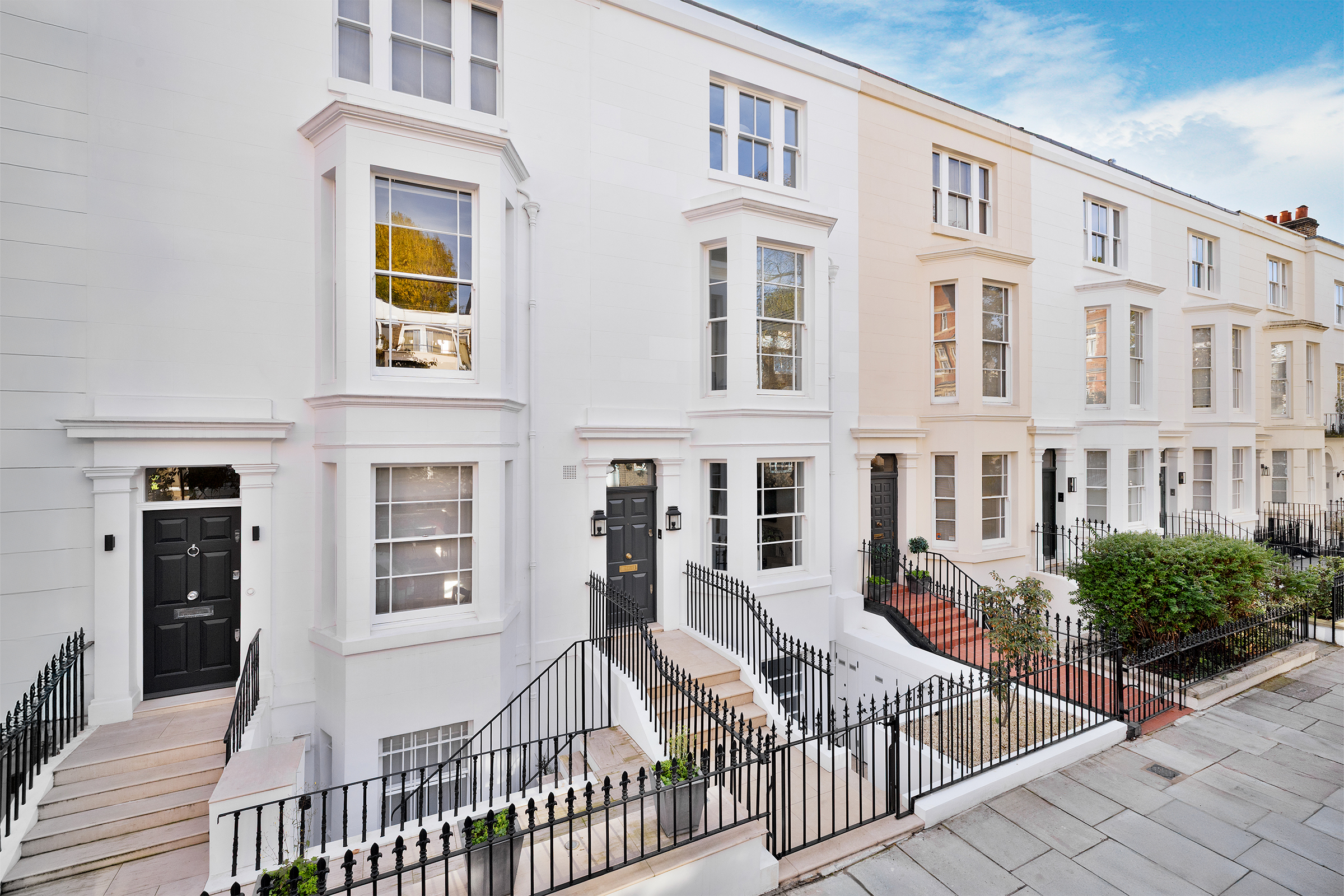
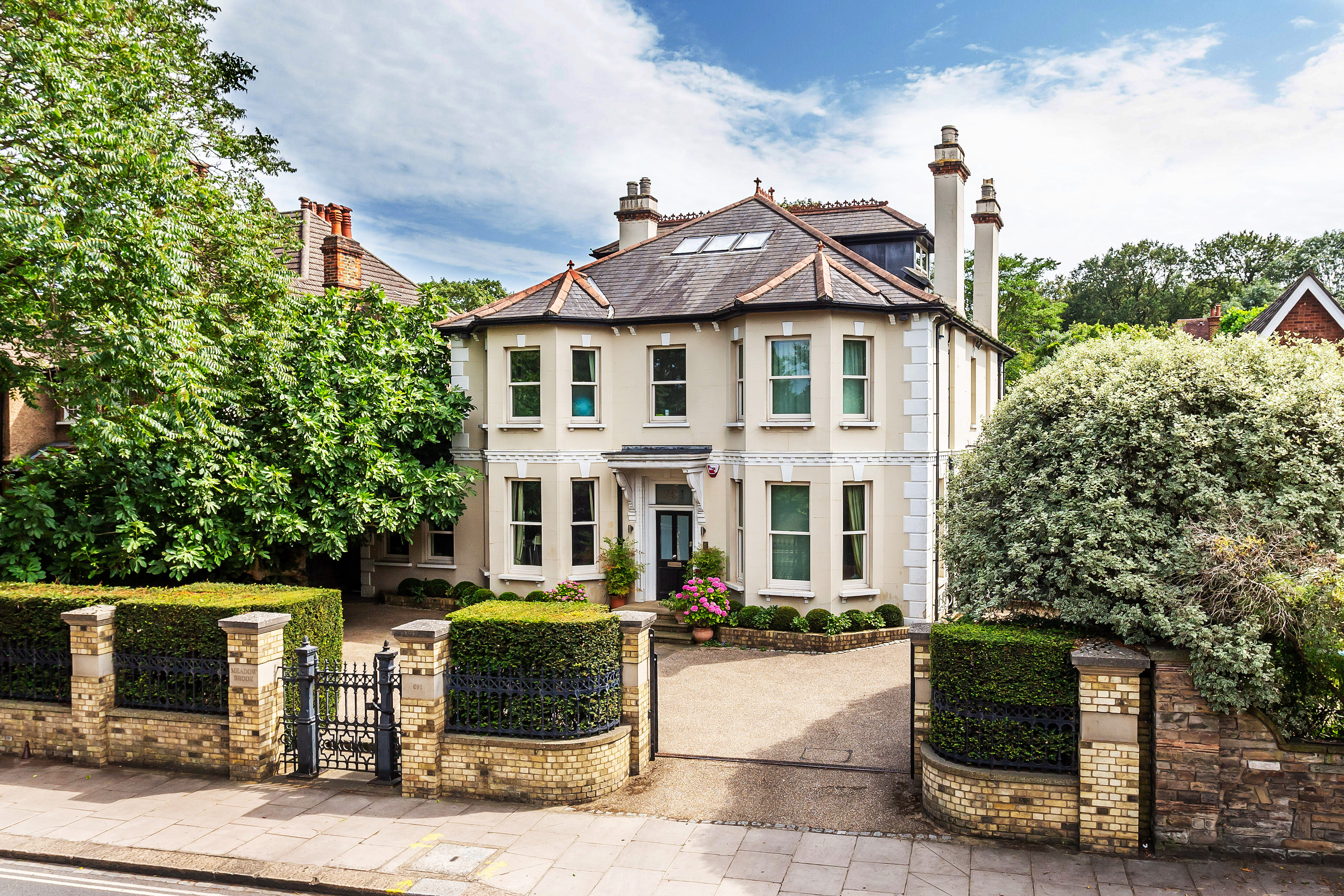
For some, Chelsea is the obvious draw: elegant, polished and an address that still impresses. Kensington appeals for its grand townhouses, mansion-block apartments, garden squares and proximity to some of London’s best schools and museums. Notting Hill remains perennially popular with families who want a village atmosphere with a side of excellent coffee and pastel hues. Further afield, Hampstead, Richmond and Wimbledon offer more greenery, more breathing room and a gentler pace, without sacrificing the sense that you are still firmly in London.
The right area depends on what your days actually look like. If you have young children, school runs and access to green space will likely shape your week more than your proximity to Claridge’s. If you split your time internationally, privacy, security and ease of travel may matter more. And if you are relocating from abroad, it is worth remembering that London is not always best experienced at full throttle. Sometimes the smartest move is choosing the neighbourhood that makes a Tuesday feel easy.
Schools, Nurseries and the Logistics of Family Life
If you are moving to London with children, schools tend to become the headline issue very quickly. This is understandable, if not always particularly relaxing.
The capital offers a huge range of options, from world-renowned independent schools to excellent state schools, bilingual schools and international curricula. But beyond league tables and glossy prospectuses, what really matters is the day-to-day reality.
Many families moving to London begin with a shortlist of schools, then focus their search nearby. Distances can be deceptive, making location more important than expected.
Nurseries and childcare should also be tackled early. The good ones can fill quickly, particularly in popular family neighbourhoods.
Healthcare, Memberships and Getting the Essentials Sorted
Once you have a home, the next step is making daily life feel stitched together. This is the part people often underestimate, but it is also the part that makes a place begin to feel like yours.
Registering with a GP in London, finding a nearby dentist, identifying your nearest pharmacy and understanding your options for private healthcare can all be done quickly, but they are worth doing before you need them in a hurry. The same goes for gyms, pilates studios, family clubs, children’s activities and any memberships that will help your weekly routine click into place.
There is a particular kind of calm that comes from knowing where to get a last-minute birthday present, a good blow-dry, a reliable dog walker and a table at short notice. In London, this is arguably a more meaningful marker of having “settled in” than any number of postcode bragging rights.
Settling Into London as an International Homeowner
For international buyers and part-time residents, the experience can look slightly different. You may not be enrolling children in local schools or looking for a Saturday football club, but you are still building a life that needs to run smoothly when you arrive.
That often means prioritising security, discretion, concierge services, travel convenience and a home that is easy to lock up and leave. Areas such as Mayfair, Belgravia, Knightsbridge and parts of Marylebone continue to appeal for exactly this reason: they offer centrality and polish, but also a degree of order that can make London feel surprisingly manageable.
If you are relocating from overseas, it is also worth leaning on the right professionals. A good buying agent, relocation consultant, private office or local property advisor can save a remarkable amount of time and prevent a number of avoidable mistakes.
Why Local Lifestyle Matters as Much as the Property Itself
The best homes in London do not just photograph well. They make life easier.
That may mean a kitchen where everyone actually gathers, a garden square nearby for a pre-supper runaround, or enough room for visiting grandparents not to lose their minds by day three.
This is where settling into London becomes less about transaction and more about texture. The city can be expensive, maddening and logistically absurd, yes, but it can also be incredibly rewarding once you stop trying to conquer all of it at once.
Settling into London is rarely instant. It happens gradually, then all at once. One day you are still referring to everything as “our London place”, and the next you have a favourite florist, a preferred route to avoid traffic and extremely strong opinions about which neighbourhood bakery makes the best loaf. That is usually when you know it is working.
The smartest moves are not always the flashiest ones. They are the ones that make everyday life feel lighter, easier and more enjoyable. And in a city like London, that is often the greatest luxury of all.