


Published: 13 October 2026
Sustainability has moved from the margins of the UK property market to its centre. What was once a niche concern for eco-conscious buyers is now a factor shaping valuations, mortgage terms and long-term running costs across every price bracket, including the top end. For today's buyer, understanding what "sustainable" actually means in a property context has become an important part of due diligence.
Beyond the Buzzword
Real estate sustainability refers to how a property performs across three interlinked areas: energy efficiency, environmental impact and resilience to a changing climate. It covers how a home is heated and insulated, what it was built from, how much carbon its construction released, and how well it will cope with hotter summers and heavier rainfall. A sustainable home, in short, costs less to run, weighs less heavily on the planet, and holds its value better over time.
The EPC: Your Starting Point
Every property sold or let in the UK requires an Energy Performance Certificate, rating efficiency from A to G. It is currently the most widely used shorthand for a home's environmental credentials, though it is an imperfect one: an EPC assesses the building's fabric, heating system and insulation, not how the previous occupants actually lived in it.
Buyers should know that the EPC system itself is changing. The government is introducing a new methodology, the Home Energy Model, which will assess how well a property retains heat rather than simply how much energy it consumes. This becomes compulsory from October 2029, and any EPC issued after the new system takes hold will look and score differently to the one you may be used to. If you are buying with a view to letting, this is a point to be aware of: a property with a comfortable C rating today is not guaranteed to translate smoothly into the new framework.
Why Landlords and Investors Should Take Note
The Minimum Energy Efficiency Standards, which currently require rental properties in England and Wales to reach at least an E rating, are set to tighten considerably. From October 2030, all tenancies will need a minimum C rating. For anyone buying with investment or letting in mind, particularly in the period and character properties common to prime markets, this is worth factoring into the price and the renovation budget now, well ahead of the deadline.
New Builds and the Future Homes Standard
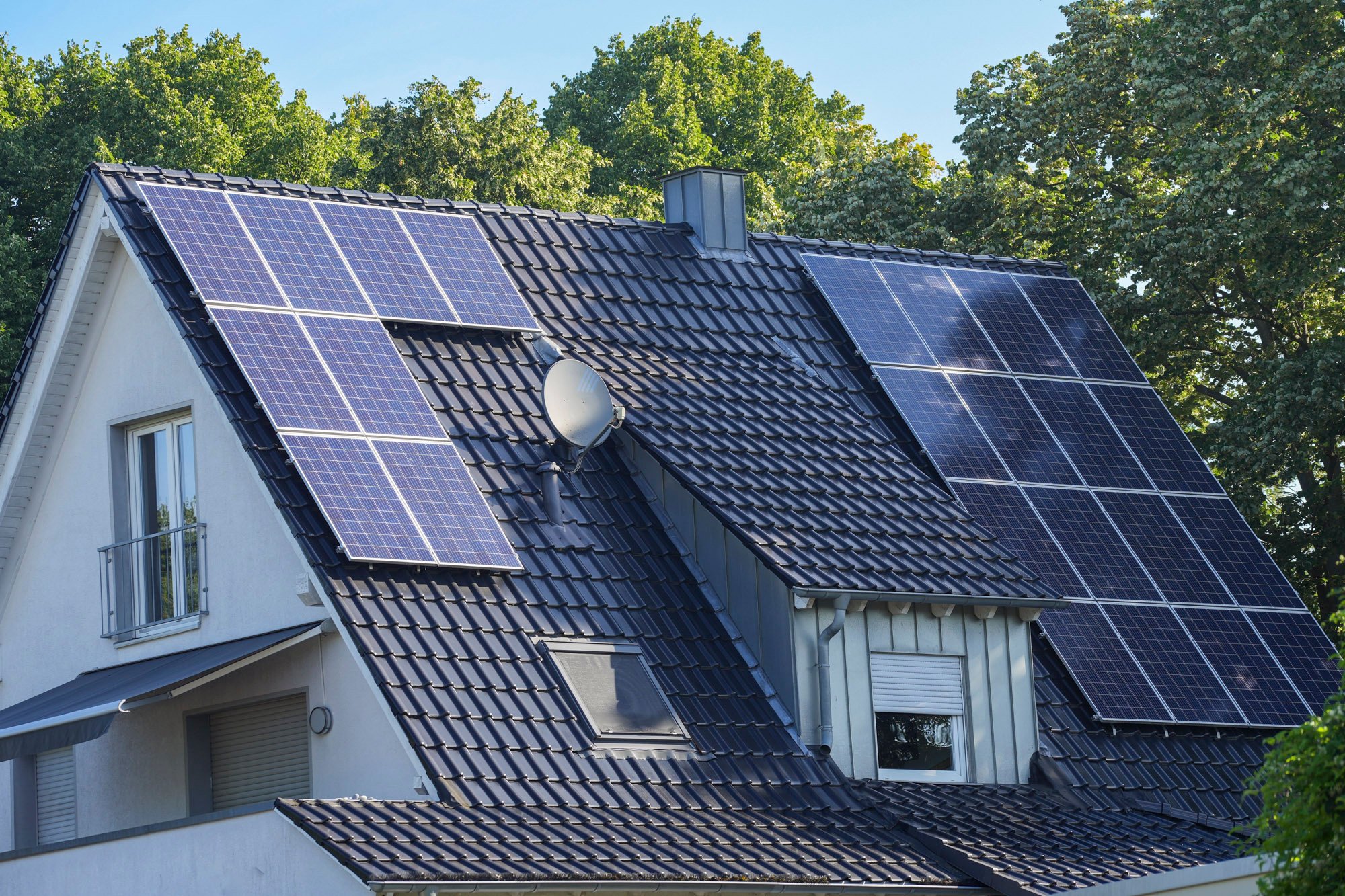
For buyers considering a new build, the Future Homes Standard is the framework to know. Once implemented, it will require new homes to be fitted with on-site renewable generation, typically solar panels, and low-carbon heating such as heat pumps rather than gas boilers. The aim is to cut emissions from new housing by around three-quarters compared with 2013 standards, and to make new homes largely "zero-carbon ready" from the outset, needing no future retrofit as the electricity grid itself decarbonises.
The Financial Case: Green Mortgages
Sustainability now has a price tag attached, and increasingly a favourable one. A number of lenders offer green mortgages, with preferential rates or enhanced borrowing for homes with strong EPC ratings. The logic is straightforward: a more efficient home costs less to run, so the lender views the borrower as a lower risk. For buyers weighing a period property against a newer, more efficient one, this can meaningfully affect the true cost of ownership.
What Sustainability Looks Like Beyond the Energy Bill
A genuinely sustainable home extends past heating and insulation. Consider the materials used in construction and any renovation, the embodied carbon released in producing them, and how the property manages water, from drainage to consumption. Climate resilience is increasingly part of the conversation too: flood risk, overheating in summer, and the durability of materials against more extreme weather are all now legitimate questions for a serious buyer to ask.
Sustainability in Period and Luxury Properties
For much of the prime market, sustainability is not a question of buying new but of retrofitting well. Heritage and character properties, common across the Cotswolds and other sought-after regions, present a particular challenge: listed status or conservation area rules can restrict what improvements are permitted, from external insulation to visible solar panels. The most successful projects tend to work with these constraints rather than against them, using measures such as secondary glazing, breathable insulation materials suited to older walls, and air source heat pumps positioned discreetly. A specialist retrofit assessment before purchase is a worthwhile investment in its own right.
The Bottom Line
Sustainability is no longer a separate category of home buying. It is a lens through which value, cost and long-term desirability are increasingly assessed. Whether you are buying a new build fitted to the latest standard or a period property with character to preserve, understanding the regulatory landscape and asking the right questions will serve you well, both at the point of purchase and for every year you own the home.