

Published: 22 December 2025
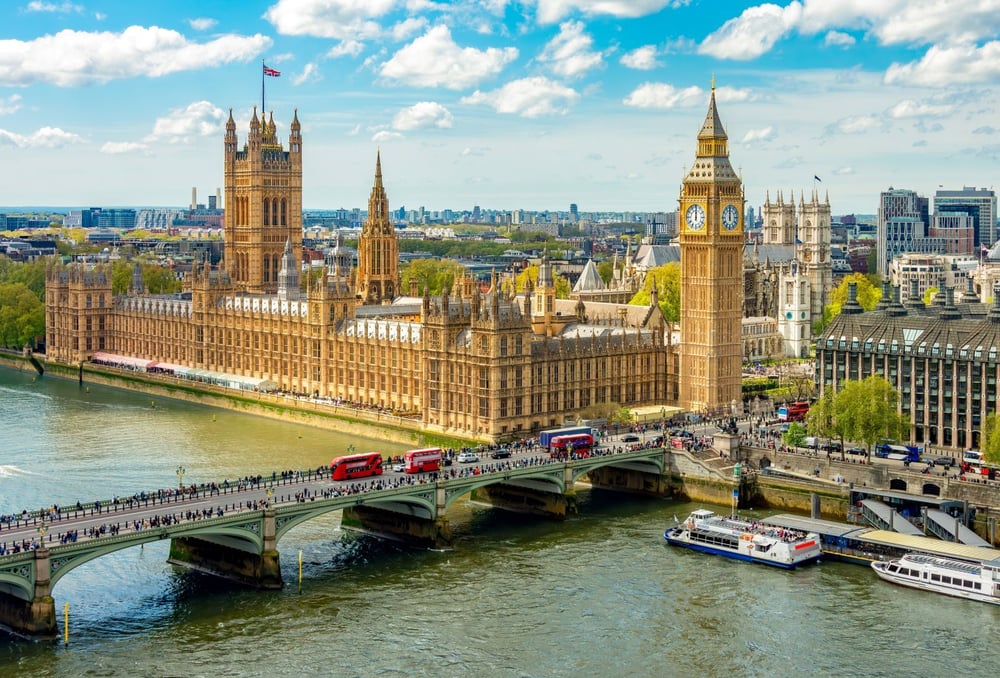
London has stood proud at the top of the list of premium properties in the UK for a very long time. As the seat of the country’s power, there has been a long tradition of super prime neighbourhoods and areas here that the elite have called home for almost a thousand years. So much so that a dominating nine out of 10 of the most expensive postcodes in the UK are found in the capital, and there are a couple of key reasons that explain why.
The exceptional infrastructure that London has built supports world-class schooling, thought-leading cultural institutions and a collection of the very best properties, leisure, food and entertainment experiences. In many ways, London remains the envy of big cities around the world and is often looked to for inspiration in property development and lifestyle curation.
Our guide to the most expensive postcodes in London sheds a little light on why these areas are so keenly contested in 2026.
W1B
This area of Westminster can easily be viewed as the very heart of the city. It stretches between Piccadilly Circus towards Regent’s Park and benefits from the civic renaissance of London across past centuries, when the Royal Parks, superb architectural mastery and the iconic West End theatre district were all created and developed.
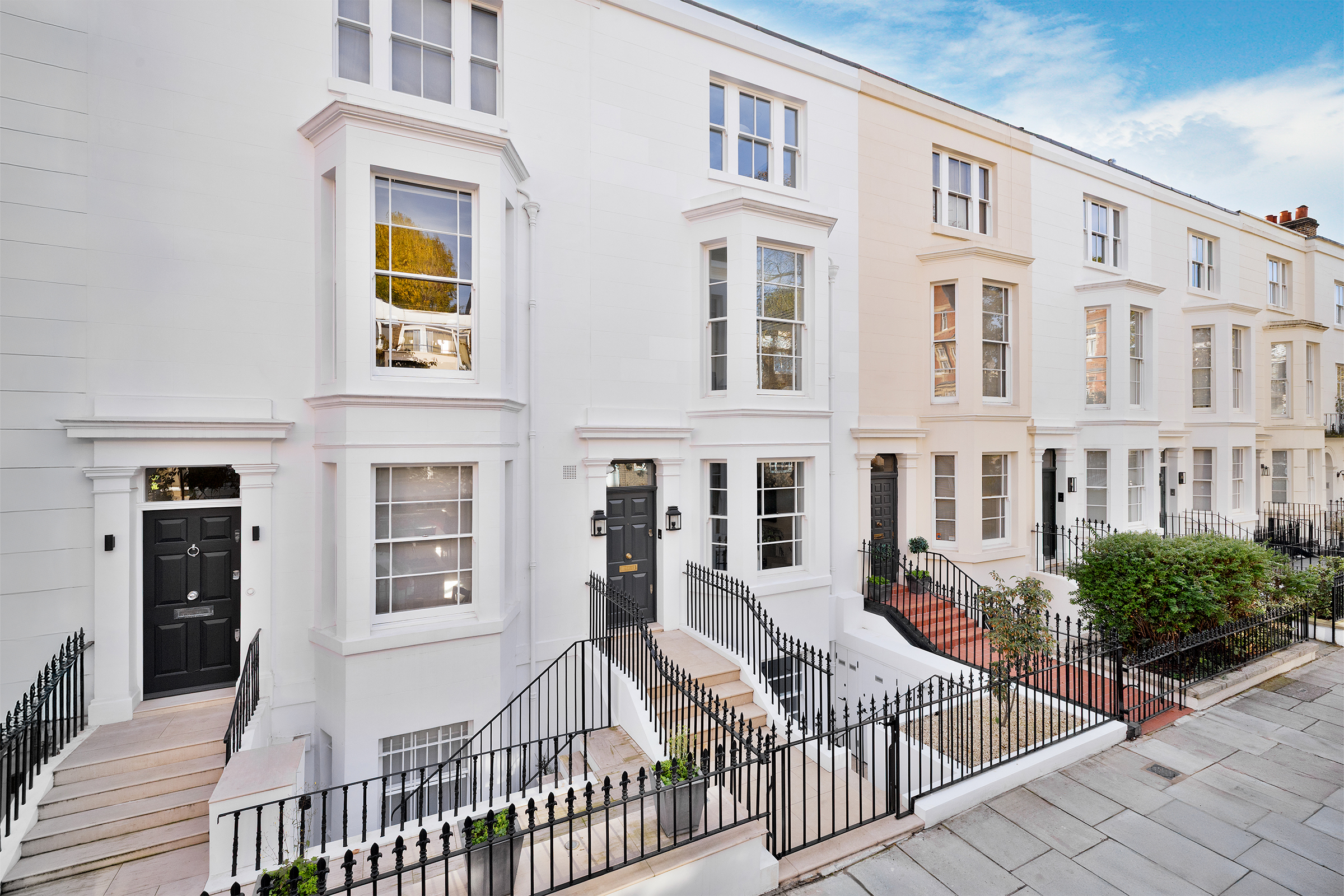
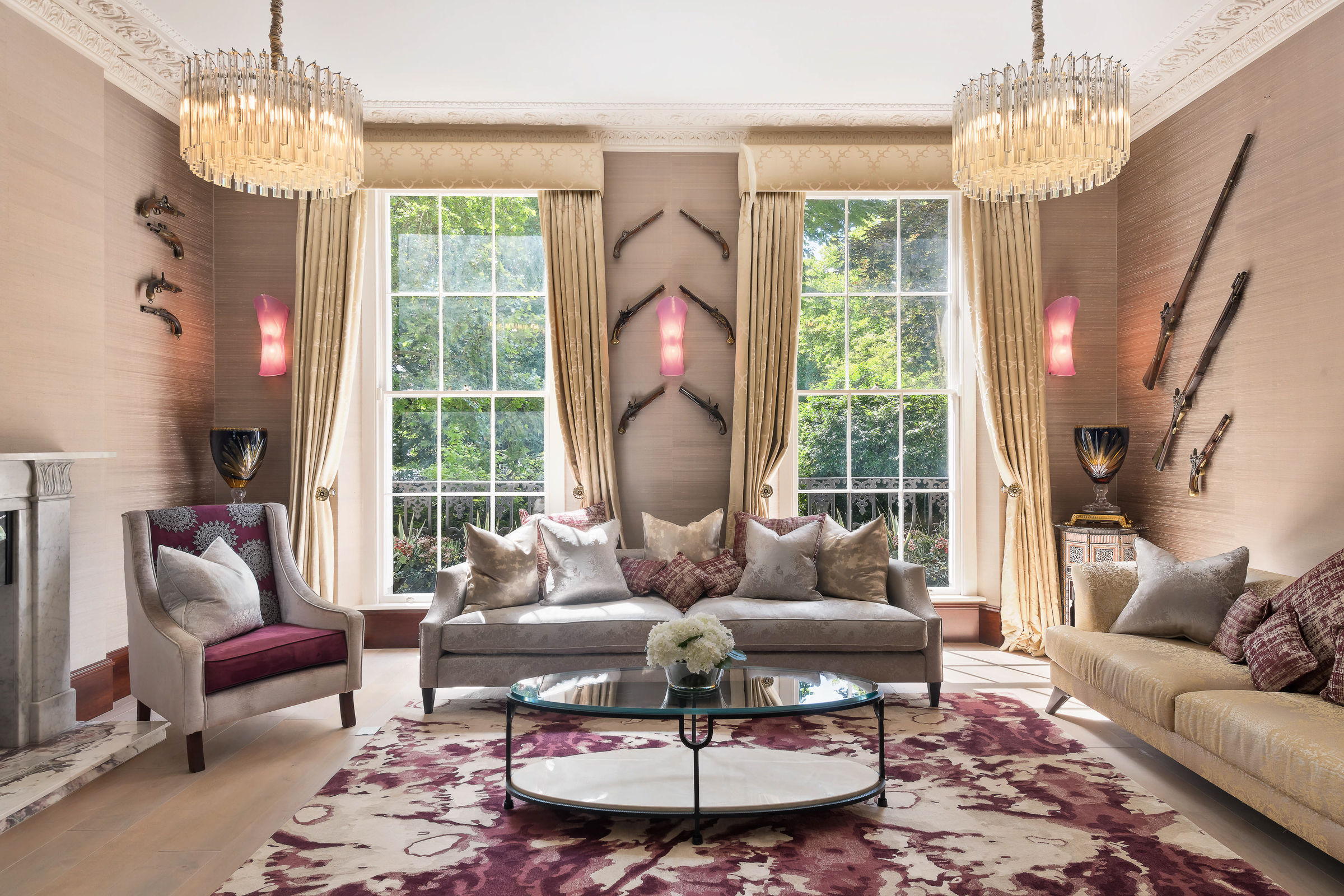
The aristocratic and wealthy patronage that made this area possible has left impeccable Georgian and Regency Townhouses that are now ultra desirable homes and apartments. With signature streets such as Park Crescent, Portland Place and the Marylebone neighbourhood being particular postcode highlights for W1B, this is London living at its very pinnacle. Properties here appear so infrequently that prices are elevated even further, with averages reaching around £4.5 million for the latest records. The inimitable influence of master architect John Nash is felt at large around here, which is perfectly suited to the prestige and cosmopolitan lifestyle that fills the air. Strolling distance to the Royal Academy and the National Gallery wraps everything up in a cultural bow too, for a collection of the greatest streets anywhere in the world.
W1K
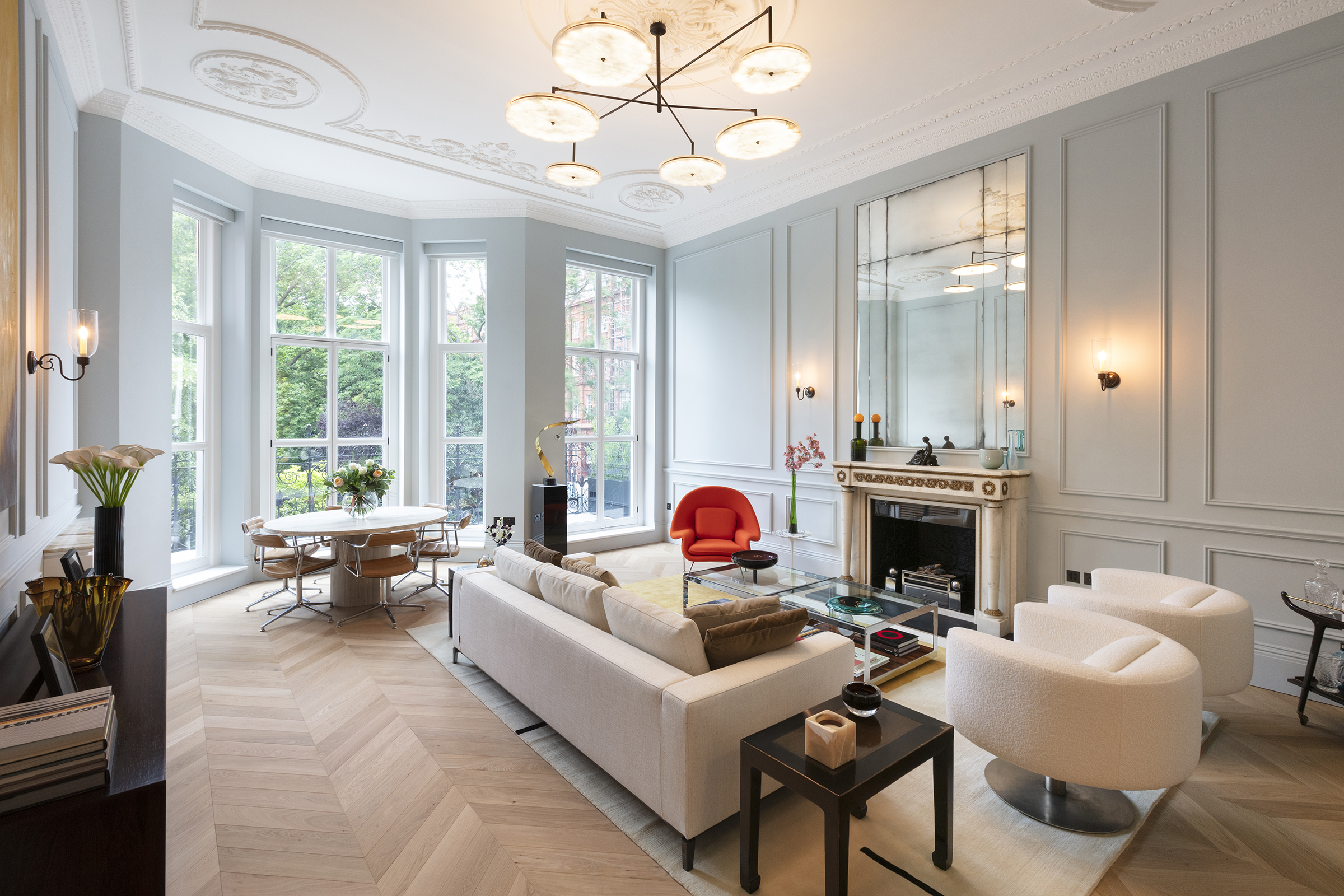
The legacy of Georgian squares and townhouses is integral to the very fabric of this wonderful area of Westminster. It was a philosophy created to encourage community and the sharing of ideas, with natural and open spaces becoming meeting points for people who occupied these exquisite houses centuries ago. It covers a collection of buildings along the eastern side of Hyde Park, including Grosvenor Square, which is now synonymous with diplomatic establishments and aristocratic history. Which means that the design and period architecture of the properties are truly remarkable. Large rooms, high ceilings and the formal layouts of Regency homes remain here with new developments remodelled in a sympathetic way, often leaving the original facades proudly on show.
The Grosvenor Square area is consistently ranked among London’s most expensive areas, with Audley Square and South Audley Street also providing a collection of highly regarded and well-coveted mansions and townhouses. Average prices in W1K are often approaching the £4 million bracket, with a central city location that benefits from surprisingly private and peaceful energy. A rare combination for this part of London indeed.
SW1X
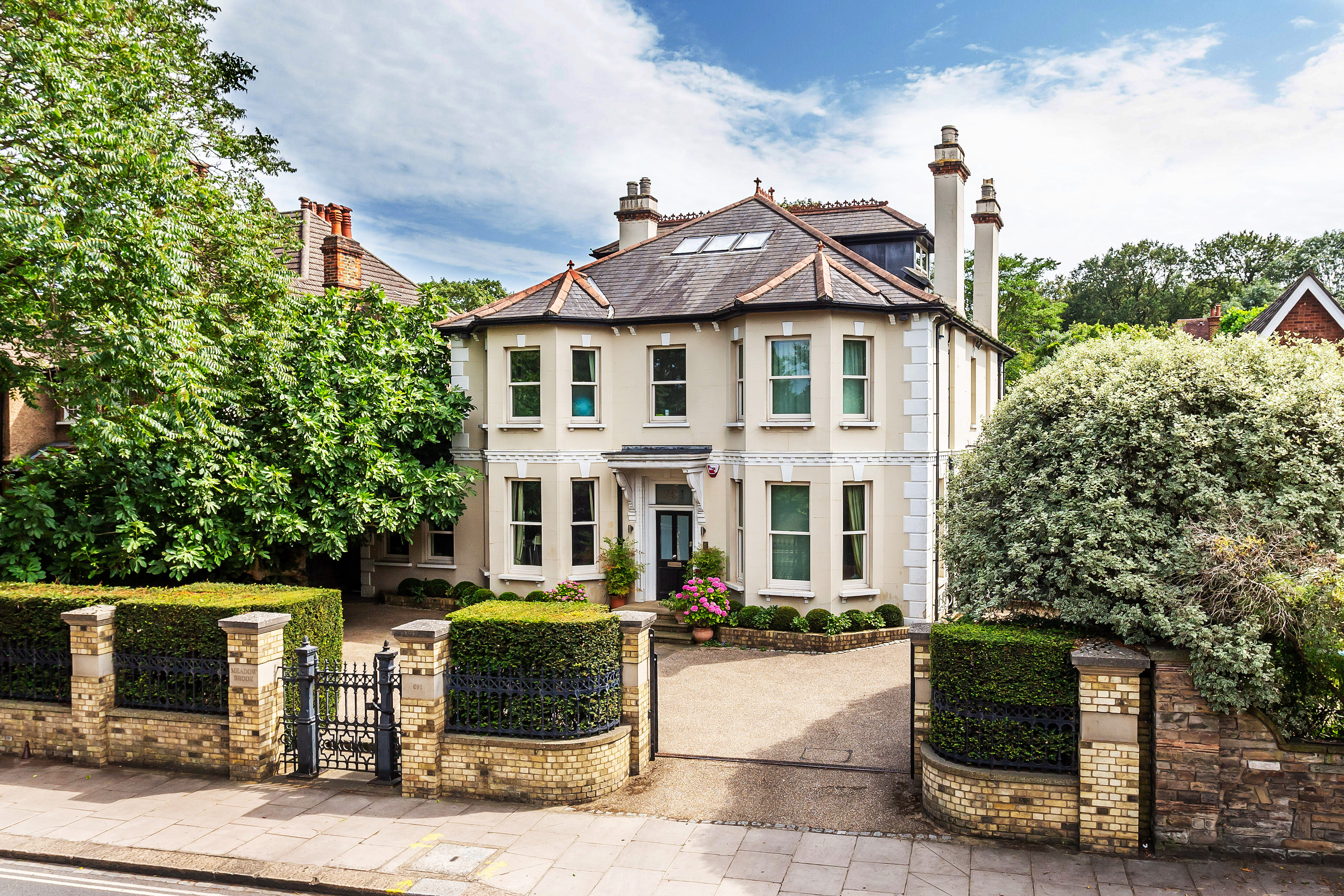
Simply the mention of Belgravia and Knightsbridge is enough to create images of an exclusive and elite collection of properties. The idea of leafy London living that was cemented at the end of the 20th century may very well have SW1X as its postcard image, complete with grand townhouses, perfectly restored terraces and elegant facades built around beautiful garden squares. Walking through the streets of Cadogan Place and Knightsbridge allows one to see exactly how the weight of an aristocratic past can be aligned with modernity through a design balance that aims for stately without superfluity. The artisanal craftsmanship on show everywhere in this neighbourhood drives a refined and slower pace of luxury. Nearby Sloane Street, with its boutiques and world-class shopping experiences, presents a good indication of the lifestyle one can expect here, and having Hyde Park on the doorstep means that the natural world is never far from view in a similarly impressive way. Although average prices do suggest that many properties would come to market at around £3.5 million, it isn’t uncommon for some of the most prestigious among them to reach north of £20 million.
W1J
When the London edition of the board game Monopoly was created in 1935, a team drove around the capital to decide which locations were the best representation of property value. Mayfair was chosen as the prime spot on that day and not much has changed in almost a century. It was then, as it is now, amongst the most exclusive residential areas in London with aristocratic families, grand embassy buildings and exclusive private clubs making their homes in the exquisite architecture of the built environment that stands here.
Curzon Street and Berkeley Square are simply iconic and the chances of space becoming available here are vanishingly rare. As such, they can comfortably command prices that approach anything from £30 to £50 million. The Georgian charm of cobbled streets and mews houses on Shepherd Market offers a little more intimacy and is superbly regarded for its character and immaculate restoration practices and results. Across Clarges Street and Clarges Mews, new developments are also appearing that deliver apartment living in this fine neighbourhood in a suitable style. Much like in the famous game, a property in W1J will always prove to be a winner.
Demand for the prime land and finest homes of London far outweighs the supply. Average house prices in the city are considerably higher than the rest of the country and a micro market bound to its own influences, trends and conditions has emerged that makes London real estate a hive of the most highly sought after investment opportunities in the world. This collection of the most expensive postcodes in the capital demonstrates exactly why it shows no sign of slowing down any time soon.