

Published: 26 June 2026
Mid-century modern design continues to inspire interior enthusiasts and appears frequently across popular television and film. At its heart, the style champions simplicity, functionality and organic forms, with a colour palette that successfully reflects these principles.
The design style emerged in the post-World War II era and was influenced by a desire to pair the rapid advances in mass production with a fresh and forward-looking sense of optimism. Previously, homes of the era were more linear and centred around the nuclear family, with the furniture reflecting this; however, mid-century modern pieces were straightforward and steered away from the frillier and more ornate designs of previous decades. This shift toward functional and simple furniture and décor was a rejection of past design choices that led to the acceptance of a more modern way of living.
Mid-century designs are created to transition between indoors and outdoors, with a sleek and refined aesthetic where every detail and colour choice is intentional. Decades later, the look is very much in style and remains highly sought after throughout homes across the world, with designers and architects such as Charles and Ray Eames, Joseph Eichler and Arne Jacobsen introducing many of the design concepts still in use today.
In this guide, we outline the key features to successfully achieve a mid-century modern colour palette within the home.
Incorporate Bold Primary Accents
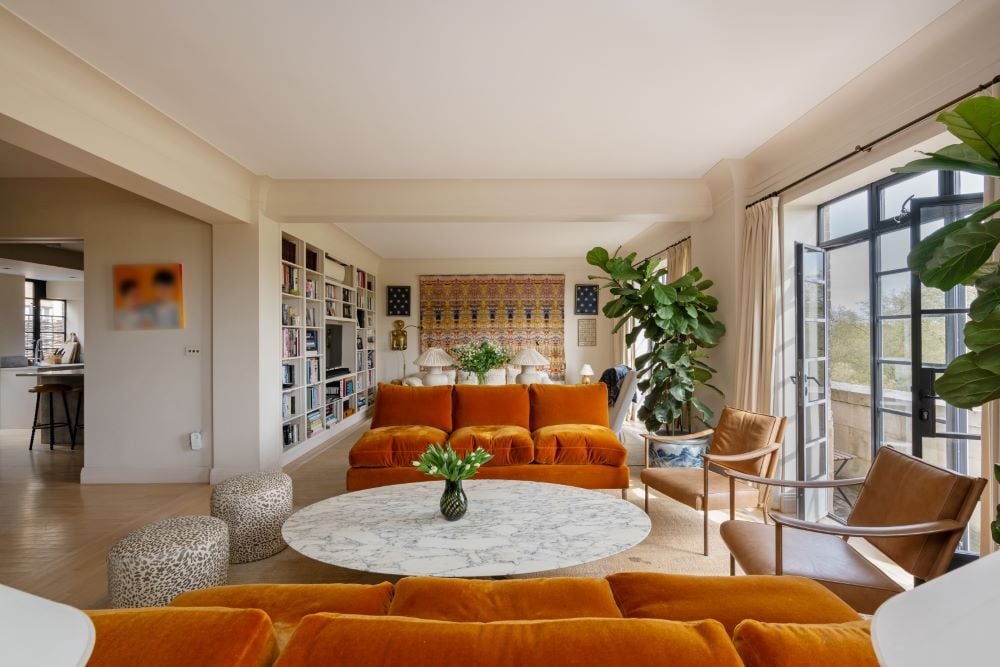
The mid-century modern colour palette typically centres around three key colour groups: bold primary colours, neutral bases and earthy tones. Reds, blues and yellows often appear as accents or statement features that stand out against backdrops of base colours such as white, grey and black.
However, rather than overwhelming a space, primary colours are used sparingly, perhaps on a single wall, in a statement piece of furniture or through accessories such as cushions, vases and artwork. The final result aims to create points of interest that draw the eye across the room without disrupting the overall colour balance.
Use Neutrals as a Foundation
Neutrals provide the base for adding bolder colours and are essential for anchoring a mid-century modern room with white, grey and beige, ideal for walls, ceilings and larger furniture pieces.
Not only do they make the space feel more open, but they also offer a versatility that easily allows for seasonal colour changes or rotation of accent accessories without the need for a complete redesign.
Introduce Earthy Tones
To complement the vibrancy of the primary colour, earthier hues, like olive green, terracotta, mustard and burnt orange, aim to bring warmth and depth that ground the look and pair brilliantly with furniture, upholstery and finishes. These slightly cooler hues offer an effective balance that adds depth and contrast to the primary colours.
Balance Warm and Cool Tones
While earthy tones usually dominate mid-century modern palettes, balancing them with cooler hues such as blues and greens can prevent a space from feeling too heavy. For example, a living room with a warm walnut coffee table and mustard cushions can be paired with a soft blue rug and pale green accent chair and it ensures harmony across the different surfaces and materials.
Play with Natural Materials
Materials are just as important as colour in mid-century design. Wooden floors, teak or walnut furniture, stone accents and leather details create visual interest and contrast, which is especially effective in neutral or softly coloured rooms.
Wicker and rattan pieces add another layer of texture and help create a sense of relaxation whilst remaining visually appealing. When choosing wood finishes, it’s important to ensure they complement rather than clash, whilst the tones do not have to match exactly, they should complement each other well.
Introduce Geometric Patterns
Geometric shapes are another hallmark of mid-century design and often appear throughout wallpapers, rugs, textiles and furniture detailing. Choosing these patterns in accent colours or earth tones also maintains the cohesion of the overall colour palette. Triangles, hexagons and abstract forms complement the structured simplicity of the furniture while adding visual rhythm to the room.
Invest in Vintage-inspired Furnishings
Furniture with mid-century silhouettes, such as low-profile sofas and tapered wooden legs, anchor the design and reinforces the colour scheme. A mid-century design often centres on one or two statement pieces of furniture, such as a dining table or a metal sunburst wall feature.
Choosing pieces in the finishes typical of the era, such as walnut, oak or lacquered surfaces, allows them to either complement bold accent colours or remain neutral in the room.
Layer with Lighting
Lighting is a vital component of mid-century interiors that works for function and to enhance the colour palette. Warm-toned bulbs and strategically placed floor and table lamps highlight colour and textures, but also act as design features that complement the clean lines and geometric focus of the style.
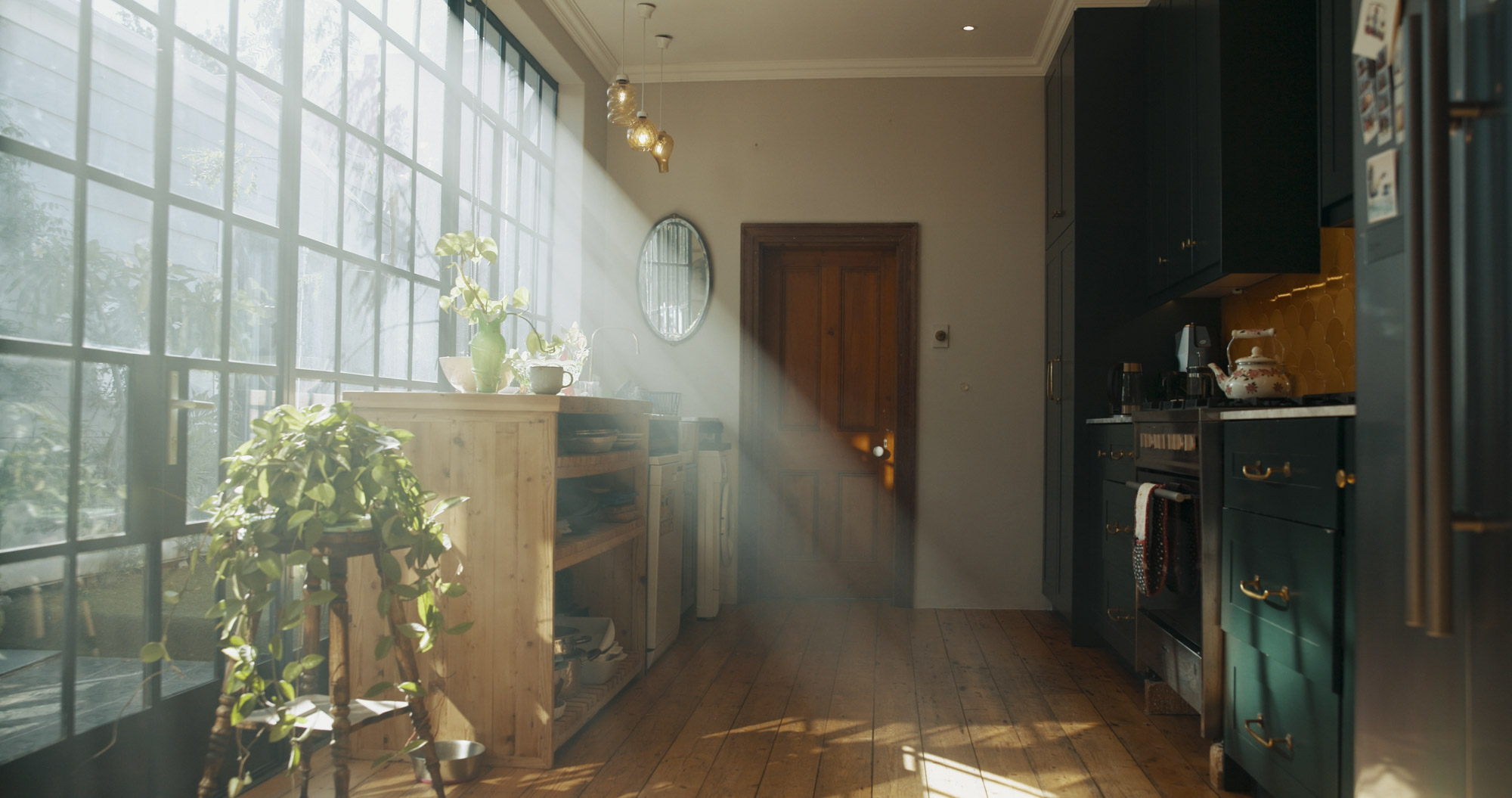
In addition to this, generous windows let natural light fill the rooms and provide clear and uninterrupted views of the outdoors, with this connection to nature complementing the organic shapes and materials found throughout the space.
Maintain Minimal Design
Simplicity is central to mid-century modern design, so it is wise to avoid clutter and let each colour, material and piece of furniture breathe. Minimalism ensures that the palette remains clear and effective and allows accent colours to pop against the more muted tones.
Add Personal Touches
Artwork, decorative objects and textiles also provide opportunity to inject personal style while maintaining the colour scheme. This can be executed through the use of abstract paintings and sculptural pieces in complementary shades that effortlessly tie together the room’s palette and give spaces character without overwhelming the core design.
Mid-century modern interiors achieve a sense of calm and cohesion throughout the careful choices in colour, materials and furnishings, creating a space that is sure to feel bright and inviting yet still carefully curated. Shaped by the designers and artists from the mid-20th century, the design style still remains as influential and relevant as ever.