

Published: 30 April 2026
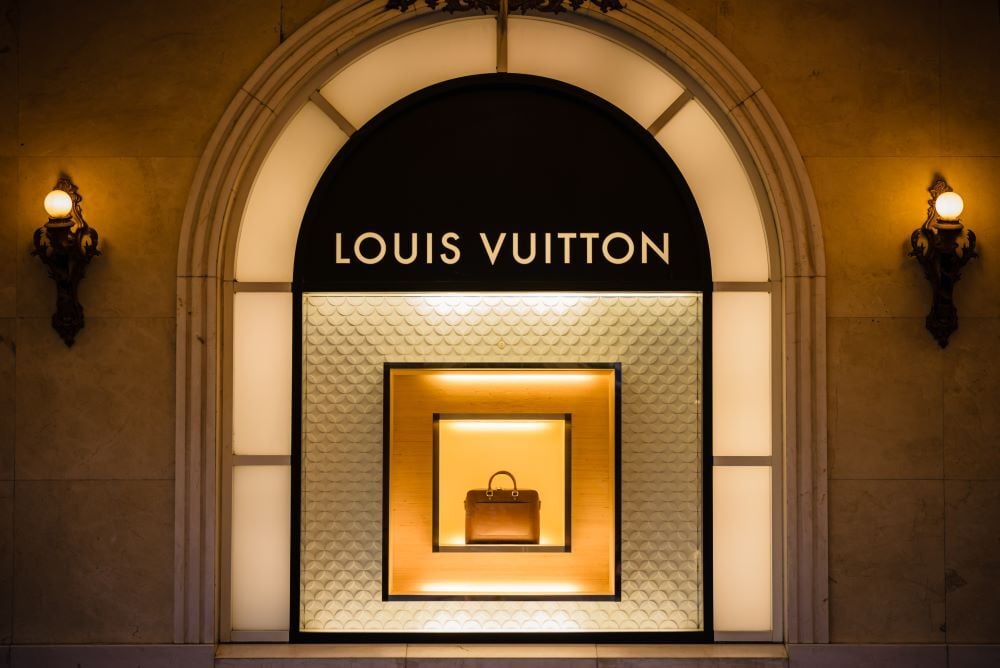
Couture icon Louis Vuitton’s classic monogram has become the symbol of an elegant hotel experience in the heart of London. But this is not a launch announcement for a new branded residence property, much to the chagrin of the capital’s real estate investors. Nor is it a hotel proper. It is, in fact, a celebration of Louis Vuitton’s 130th anniversary through a pop-up experience in Mayfair that explores the brand’s history and its cultural impact alongside a curated fine dining menu and an ode to its legendary style.
Origins in Travel
In 1854, Louis Vuitton established his workshop in Paris, producing flat-topped trunks designed to stack easily in the holds of trains and steamships. Durable, lightweight and discreet, they quickly became associated with a new kind of mobility, one tied to both practicality and refinement. In the years since, the brand has expanded beyond luggage into the world of haute couture, yes its design philosophy is still driven by the practical considerations that informed its earlier products. The Louis Vuitton hotel experience charts this journey through interactive installations, including a vintage phone through which guests can ‘call’ the year 1930 to learn more about some of the most famous handbags made across the decades.
A Temporary Home
Open from 24 April for a two-month residency, the Louis Vuitton Hotel occupies a Georgian townhouse building opposite the Phillips auction house. It is not a hotel in the conventional sense, but an installation arranged across four floors, each space tied to one of the House’s best-known designs. From the street, the gesture is understated. A small plaque marks the address; a vintage black cab, complete with besuited driver, is stationed outside. Inside, the townhouse has been reworked into a sequence of rooms that move from one to the next with a clear logic.
The Keepall Lobby
The ground floor is given over to the Keepall Lobby, named after the soft-sided bag introduced in 1930. Developed to replace rigid trunks with something more flexible, the design marked a shift towards modern travel. Here, a check-in desk sits at the centre of the room, surrounded by travel guides and Assouline volumes. A concierge offers restoration and personalisation services for existing pieces, while displays of luggage and accessories are set among more domestic details. It reads as a place of arrival rather than retail.
Café Alma
On the first floor, Café Alma takes its name from the structured top-handle bag introduced in the 1930s and is arranged as a Parisian dining room, with tall windows, velvet banquettes and linen-covered tables. The menu draws on both French and British references, with dishes such as lobster roll with celeriac rémoulade and poached white asparagus with lovage. For those seeking a balance of curation and indulgence, afternoon tea is served daily, with savouries and pastries shaped in reference to the Monogram, alongside champagne.
Rooms Above
The upper floors are organised as a sequence of rooms. The Speedy Room is arranged as a hotel suite, leading into a concealed safe room hidden behind mirrored doors, where variations of the Speedy bag are presented together. First introduced in the 1930s as a smaller, more portable alternative to the Keepall, the Speedy has remained one of the House’s most enduring designs, adapted across decades while retaining its original proportions.
On the topmost floor, the Neverfull Gym introduces a more unexpected element, with sculptural weights and equipment derived from the proportions of the eponymous bag. Elsewhere, dressing rooms, boudoirs and secure vaults extend the layout further. Details are worked in throughout, including a wall of bag charms and the vintage telephone connecting to recorded histories of the House’s designs.
Bar Noé
The basement houses Bar Noé, aptly named after the bag originally created in 1932 to carry champagne bottles. The space is more enclosed, operating as a bar during the day and continuing into the evening, when DJs play from Thursday to Saturday.
Past and Present
Archival material is interspersed with contemporary pieces across the townhouse, from vintage trunks and original posters to more recent collections. Together, they trace a line from the House’s beginnings in 19th-century travel to its current position within fashion and culture. It is a love letter to the brand for fashion enthusiasts, but any lover of history will appreciate the detail and the care that has gone into crafting this experience.
Visiting Details
The Louis Vuitton Hotel will close in June, after which the building will return to its previous state. Entry is free, but tickets must be booked in advance, with separate reservations recommended for Café Alma and Bar Noé. If you are looking for a proper hotel-like experience to complement your visit, we can recommend some of the finest short-let options in Mayfair for you to consider this summer.