

Published: 15 October 2025
The parks in London offer far more than just an essential space for its residents and visitors to enjoy the fresh, open air. They chart a journey detailing how one of the world’s greatest cities turned hunting grounds, private estates and military land into an ambitious collection of places for the public to call their own. They became vital landmarks through times of social reform and a developing understanding of physical and mental health. It is fair to say that leisure in London in the 21st century would be an entirely different prospect without the ‘lungs of the city’ to rely on.
Overall, there are over 3000 parks, commons and open green spaces in the Greater London area to explore. Each holds its own unique story, signature attractions and landscape shaped by the people that use it. Here is a brief guide to a collection of the very best to begin with.
Hyde Park
City of Westminster
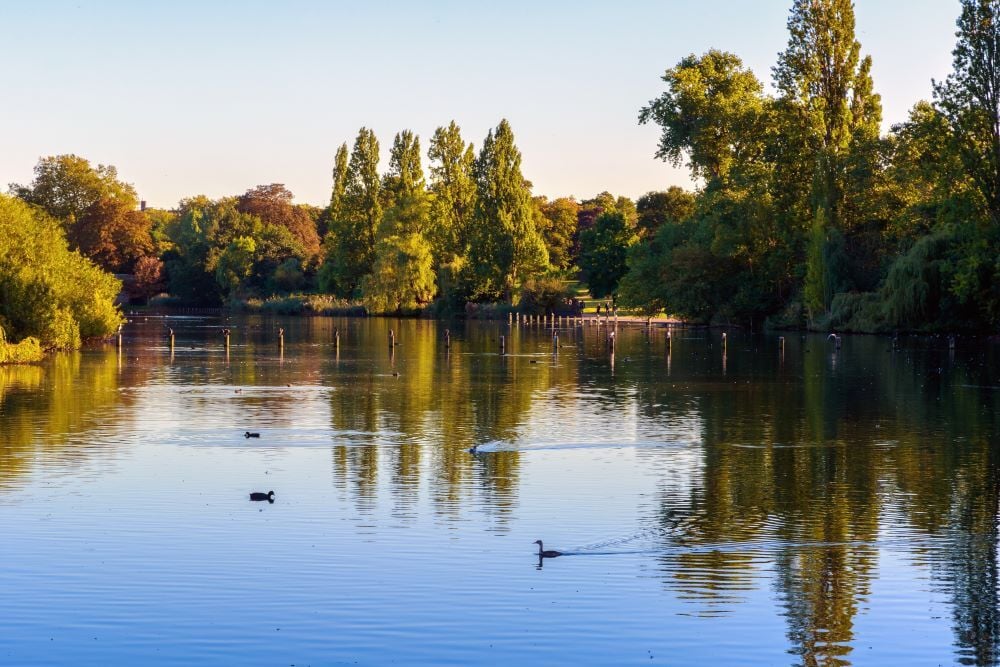
This was London’s first experiment with a shared civic space, and its most famous. Wide avenues and huge open lawns welcome millions of visitors a year to its Serpentine Lake and the debating institution of Speaker’s Corner.
Hyde Park represents almost 400 years of natural beauty and social history across its 350 acres.
Kensington Gardens
City of Westminster
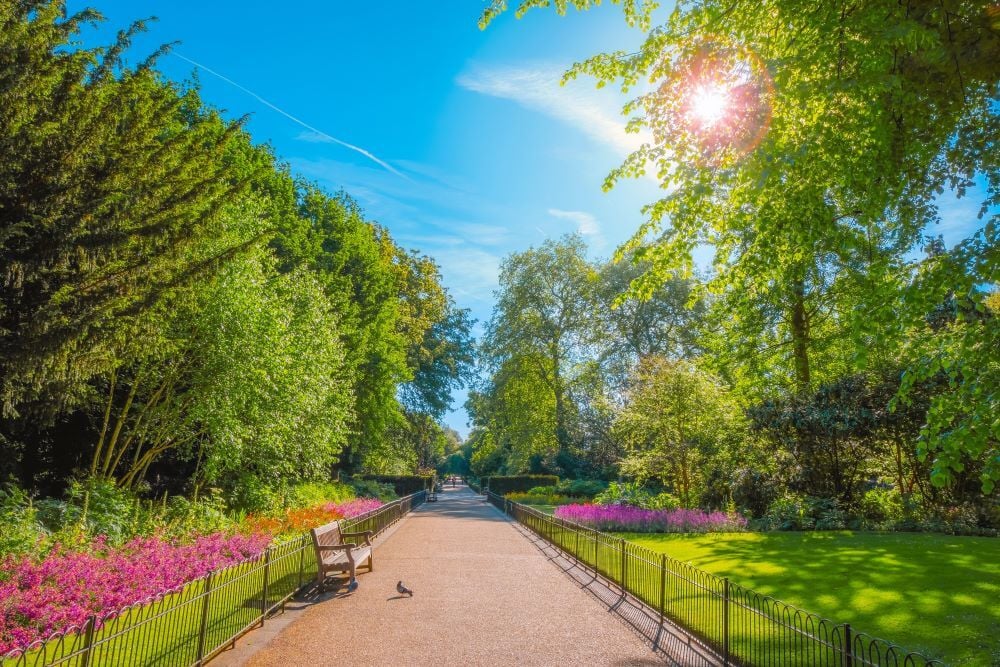
Kensington Gardens was originally a royal pleasure ground, and its prestige remains firmly on show. Ornamental water features combine with exquisite landscaping architecture in a composed and serene way.
This place manages to capture both the ambition of Victorian England and the age of Enlightenment that surrounded it.
St James’s Park
City of Westminster
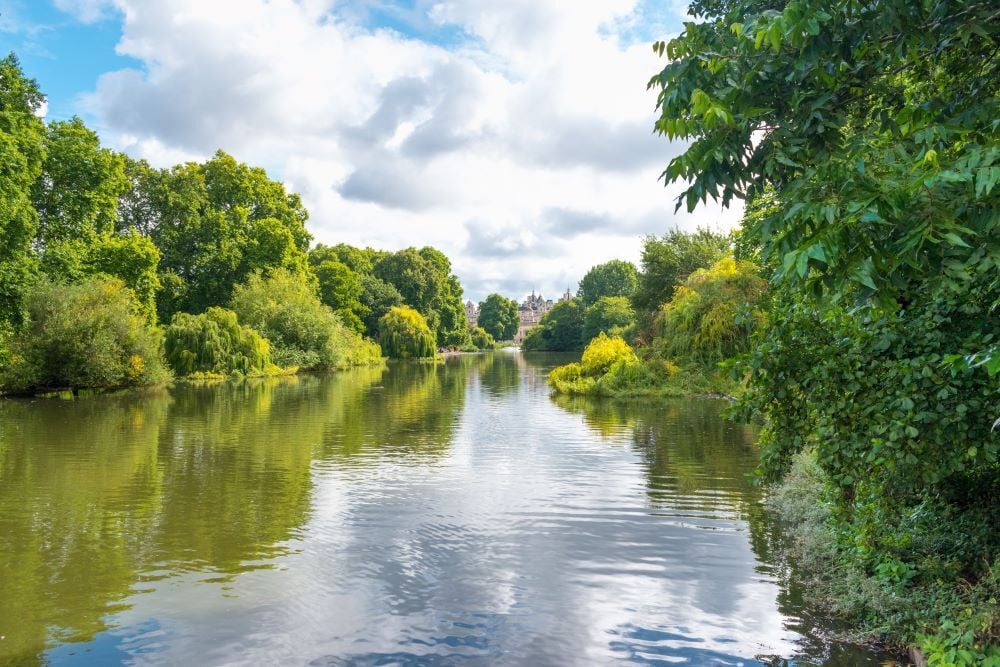
This was one of Henry VIII’s most theatrical creations, designed to impress foreign state visitors. Redesign projects in the 17th and 19th centuries refined its already impressive views of the city beyond it in a more accessible way for regular visitors.
The lake that looks out to Buckingham Palace is a particular delight.
Regent’s Park
City of Westminster
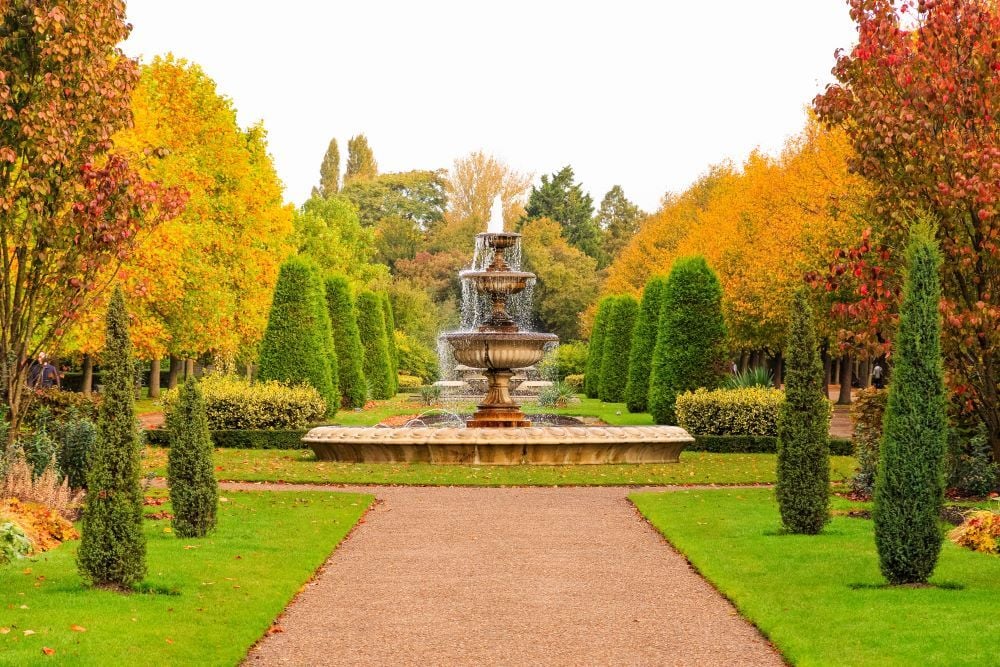
This wonderful space was designed by the famous Regency architect, John Nash, in 1811. It works as a triumph of urban planning with a green space in the city that supports an open-air theatre, formal gardens and even a zoo.
Regent’s Park is evidence of the harmony between the natural world and the needs of a city’s people.
Richmond Park
Richmond upon Thames
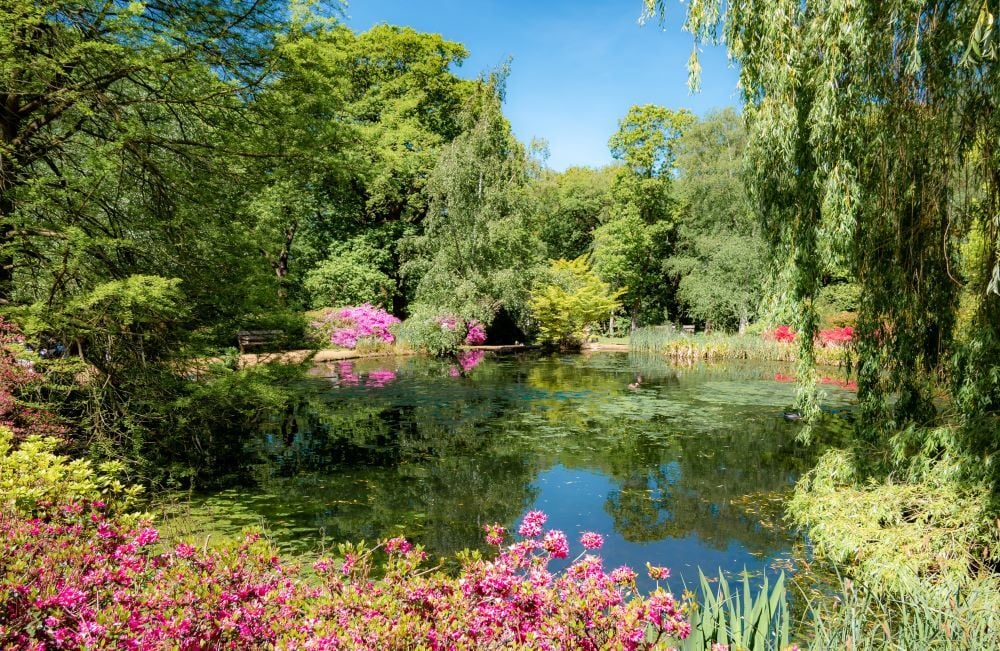
The sheer scale of Richmond Park, at over 2,500 acres, makes it feel more like the countryside than the capital. Its preservation as a royal parkland with herds of wild deer and ancient oak trees presents a vision of England before industrialisation.
The ecology and awe-inspiring views towards St Paul’s Cathedral make Richmond Park an essential park to visit.
Greenwich Park
Greenwich
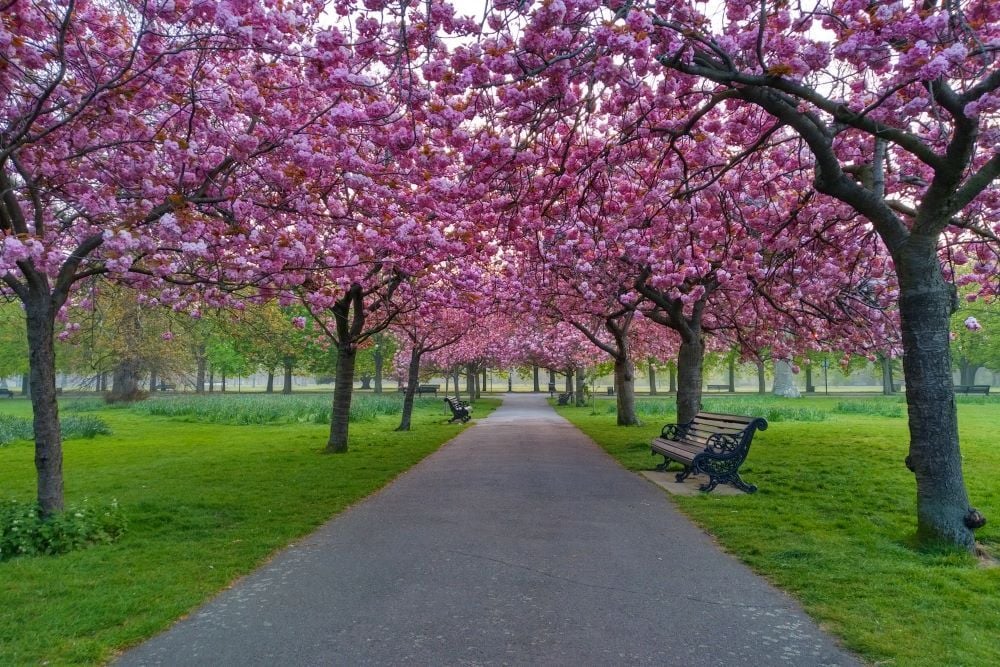
There is a line that stands in this park that once defined the concept of global time. As an engaging attraction for visitors, that fact alone would be difficult to beat. However, Greenwich Park is also home to the Royal Observatory and some heart-stopping views of the River Thames too.
Hampstead Heath
Camden & Barnet
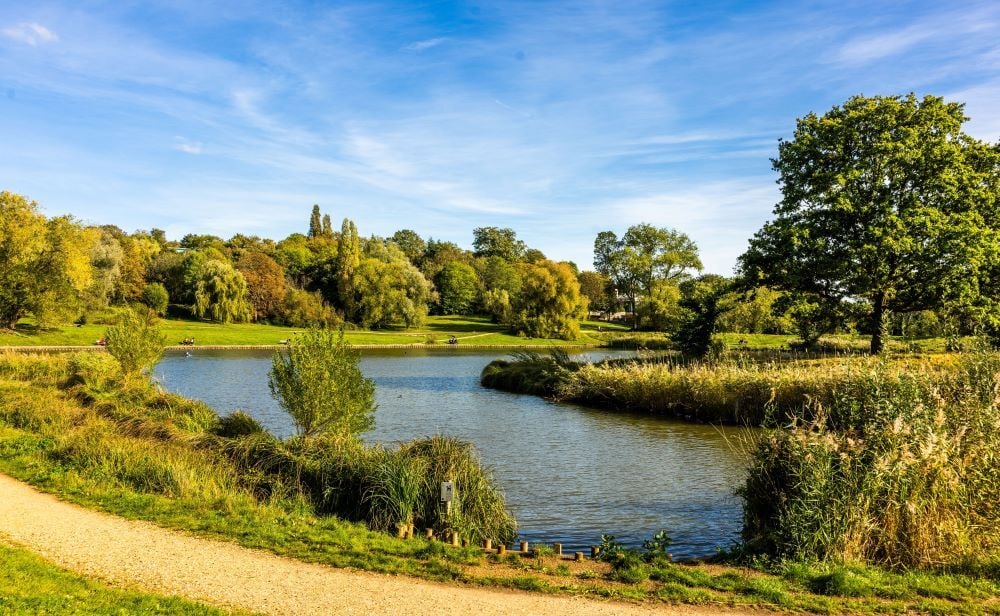
This ancient common land makes a virtue of its wild and untamed status. It acts as a tiny ecosystem of ponds and woodlands that are home to some of the most diverse wildlife anywhere in England. This space has been integral to the wellbeing of London residents for centuries and is protected from redevelopment by an act of Parliament. Walkers, joggers and wild swimmers flock here in all weathers to enjoy this slice of countryside in the city.
Victoria Park
Tower Hamlets
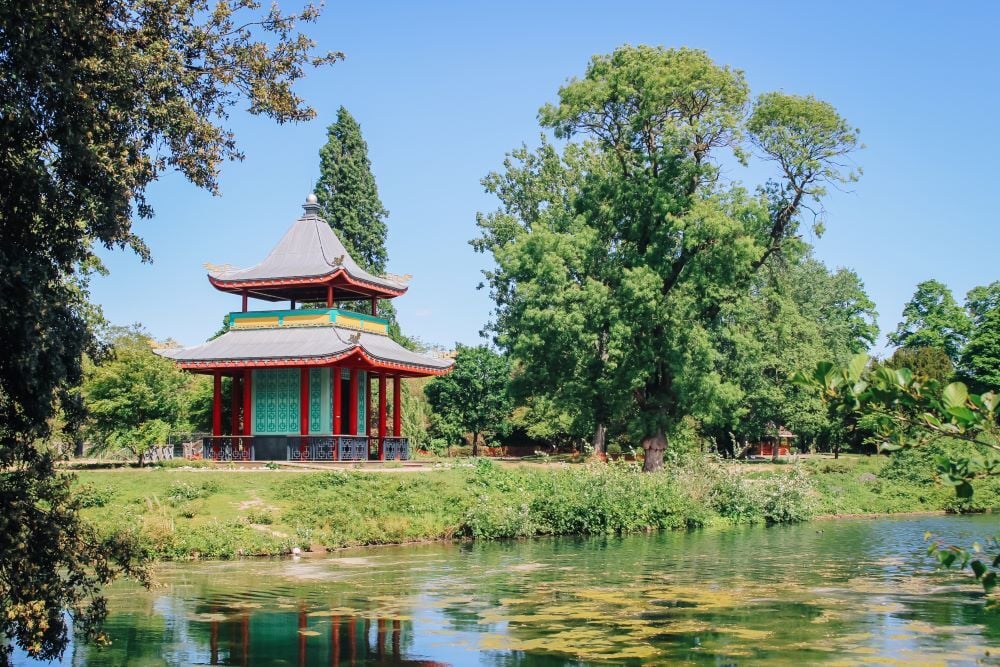
The title of the People’s Park is not one that Victoria Park wears lightly. The growing industrial population of East London once relied on this green space as their only connection to nature, away from the toil of the factories.
Its lakes and wide promenades are just as welcome for 21st century visitors looking for a moment of escape from the movement of the capital.
Battersea Park
Wandsworth
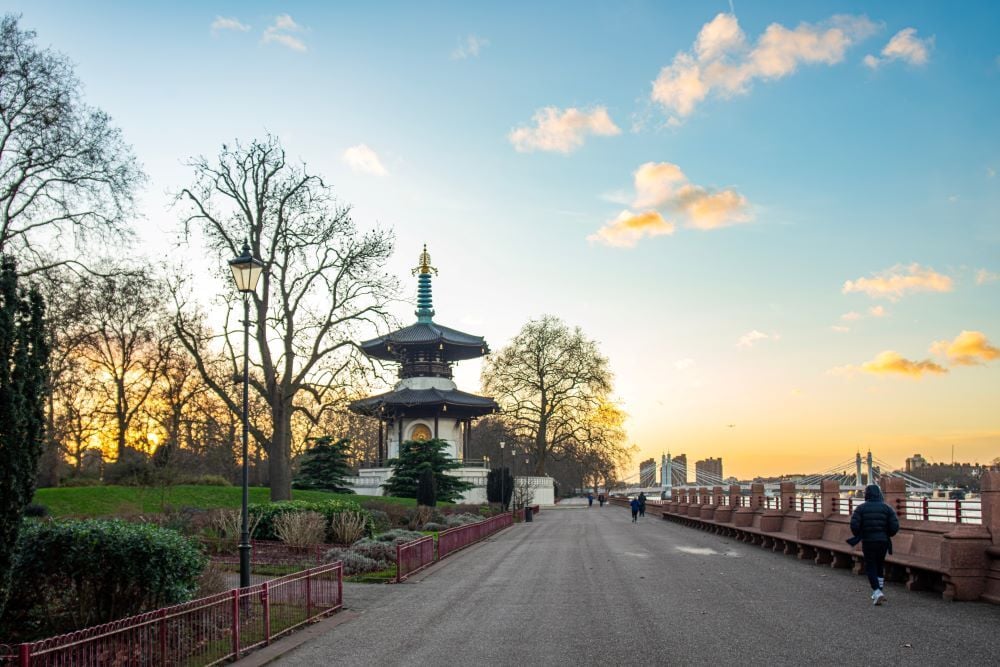
This park was famously redesigned for the Festival of Britain in 1951 as a symbol of post-war recovery. Today, it provides a wealth of amenities for sports, leisure, art and culture.
Battersea Park is a masterpiece of industrial heritage combined with impeccably considered design for human interactions.
Holland Park
Kensington
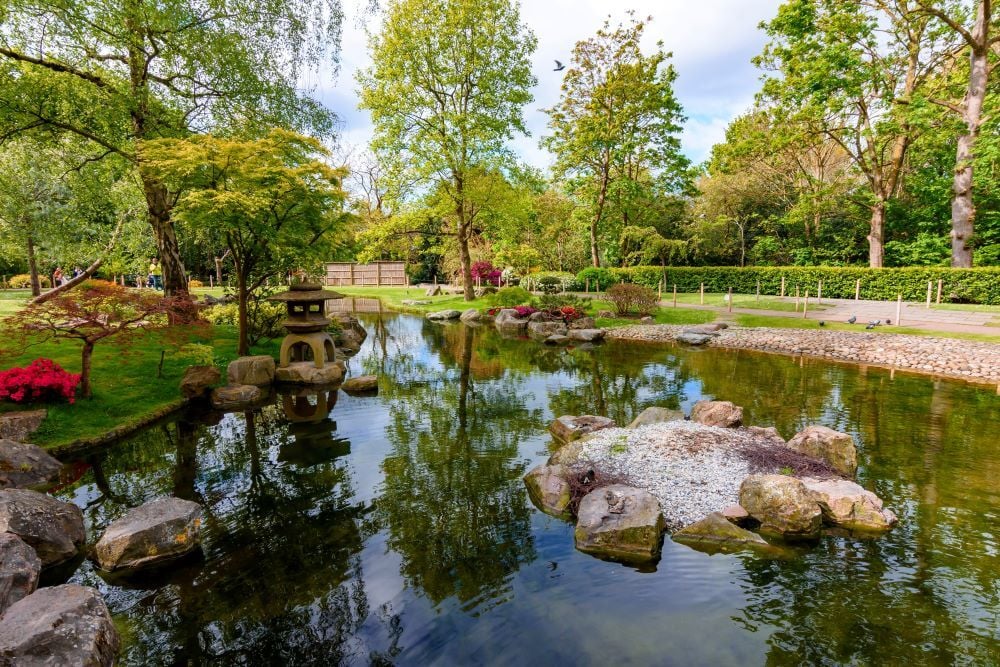
These former private estate gardens of woodland beauty and historic ruins create a unique and iconic public park. The Kyoto Garden, which was installed as a gift from Japan in the 1990s, adds a meditative quality that is difficult to beat elsewhere in the parks of the city.
Holland Park is a small but perfectly formed slice of the global-influence present in London’s 21st century public spaces.
Green Park
City of Westminster
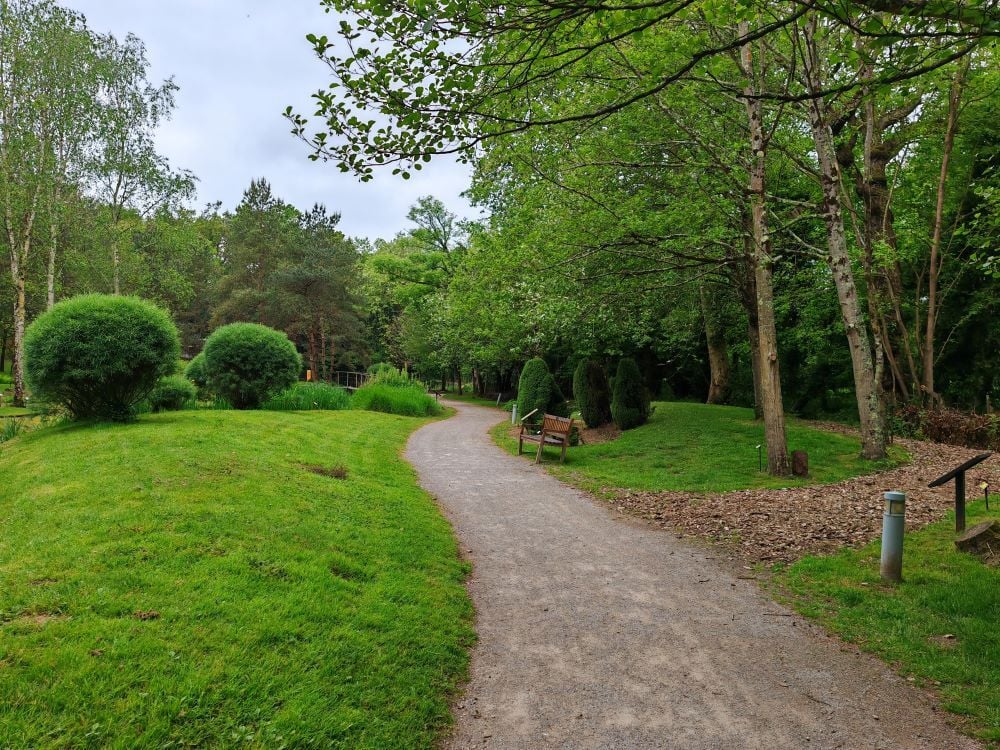
Simplicity is the defining feature and main attraction of Green Park. It has been carefully preserved as open land without the formal landscaping or monuments that usually accompany spaces of this size and stature. And it carries a unique advantage as a result.
Green Park is nature, effortlessly realised and instantly inviting.
Bushy Park
Richmond upon Thames
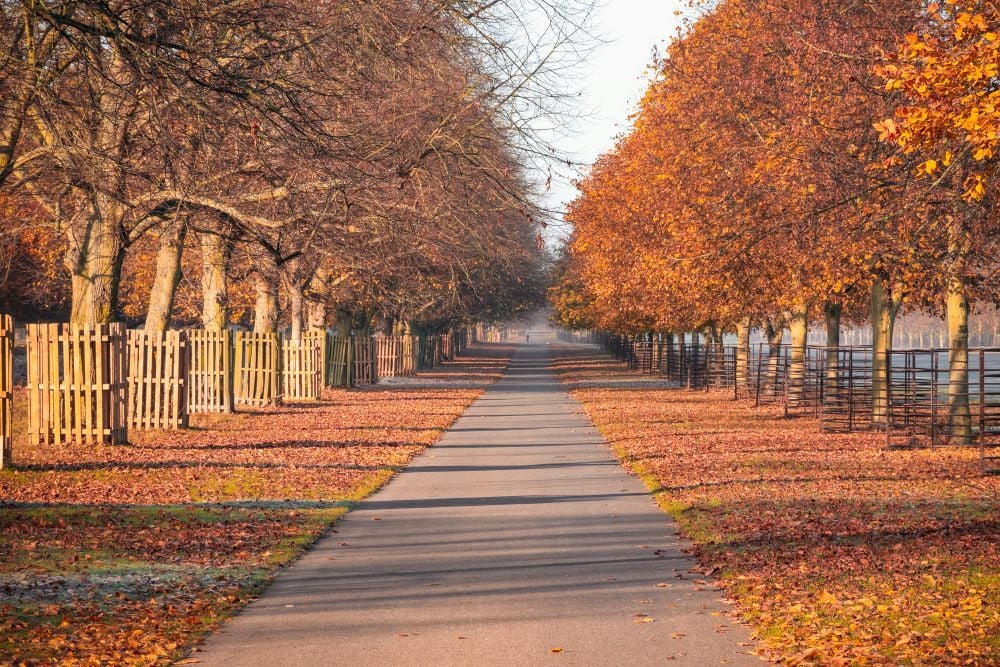
This is another former hunting ground for Henry VIII that offers rural grandeur on the very edge of the city. Its roaming deer and the Grand Canal are the signature attractions with an overall scale that speaks to the royal ambitions of centuries ago.
Bushy Park is a particular family favourite for long rambles and wild exploration.
Clapham Common
Lambeth
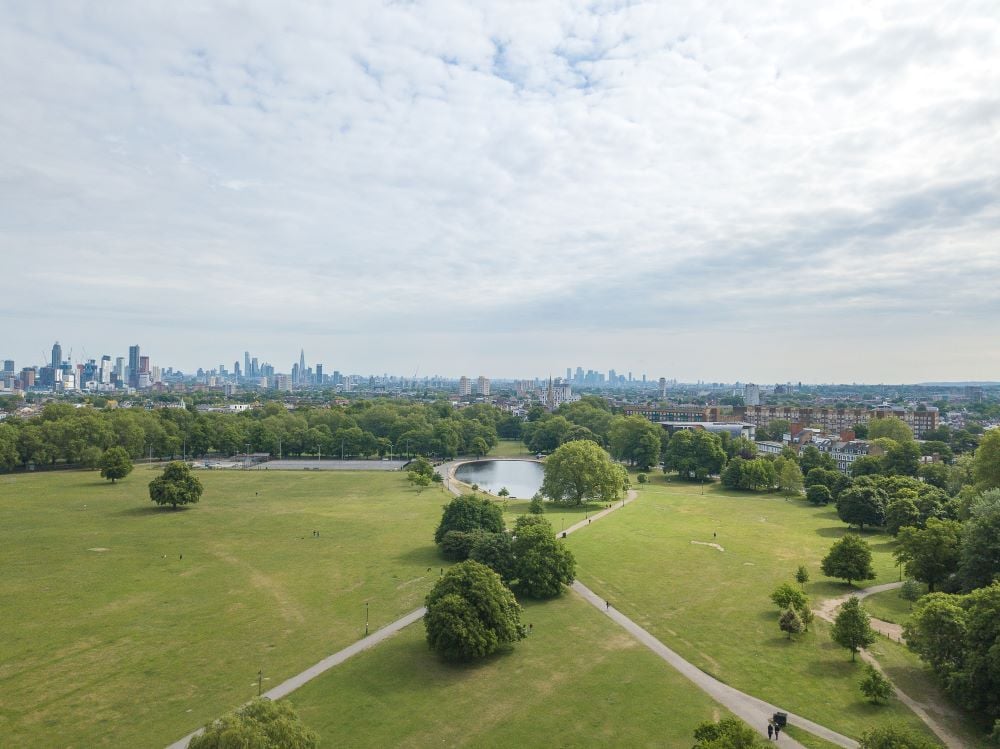
There is a proud history of social reformers and important civic movements associated with Clapham Common. Its lawns, bandstand and ponds have provided the backdrop for thousands of debates and community discussions over the years.
This is an ancient common land that still works as a public resource in 2026.
Blackheath
Lewisham and Greenwich
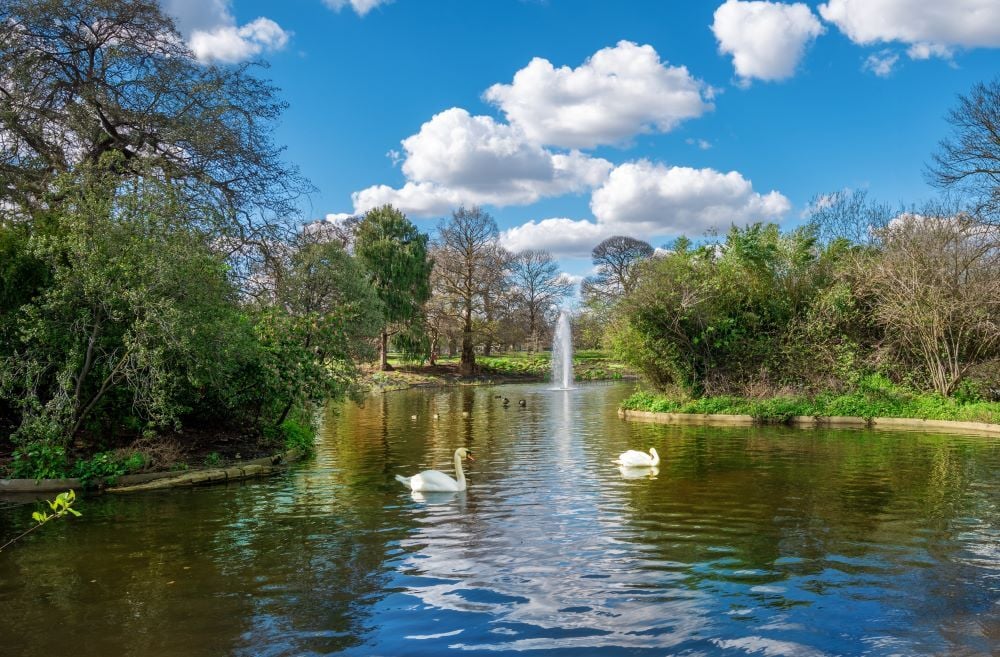
There is something about the heathland landscape that transports visitors out of time. This was the site of several uprisings and historical moments where the people of London demanded that their voices be heard.
Blackheath in the modern day offers a chance to lose oneself in scenery that is increasingly at a premium all over the world.
Burgess Park
Southwark
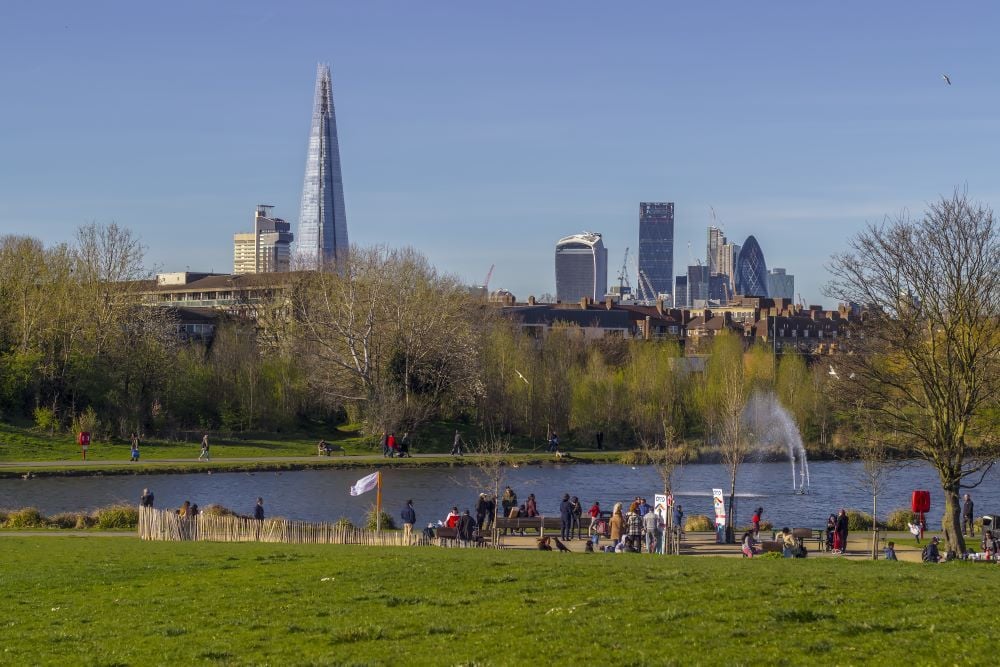 image source: Kurt Pacaud / Shutterstock.com
Burgess Park was created from the destruction and damage of the Blitz in South London’s suburbs. A green spine was created through the borough to improve air quality, health and living conditions for the working classes that would make new lives here.
This is a superb example of open spaces in use for everyday life in the capital.
Park life in London is alive and well for 2026. As one travels across the city, there is always an opportunity to find a green space for a stop to reconnect with the natural world. As this guide suggests, you will very quickly be spoilt for choice as you do.