

Published: 20 April 2026
The city of London is home to a layered tapestry of architecture. It charts the journey of a place that has developed over thousands of years to be a key element in the history of western civilisation. Created by empires, reordered by events of catastrophic destruction and reimagined by some of the finest creative minds across the centuries, London architecture is written on the streets, stones and skylines for the rest of the world to study.
What is London Architecture?
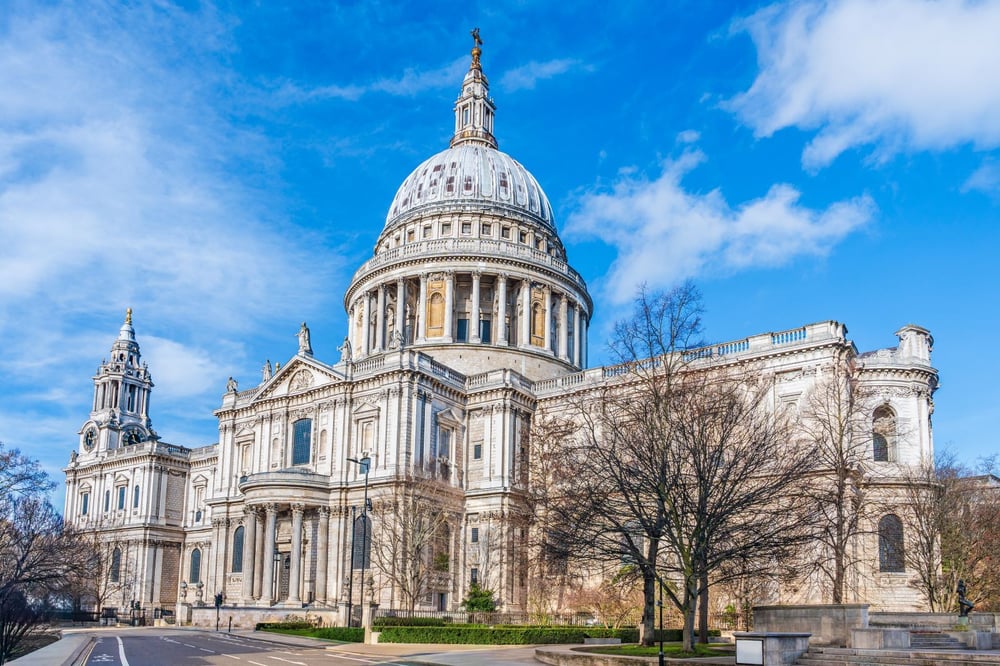
London architecture presents a timeline of historical periods, styles and cultural movements in one relatively compact space. Across the city, Roman defensive walls touch boundaries with the remains of medieval fortresses, Georgian terraces stretch out towards Brutalist housing estates and huge skyscrapers loom in great twists of glass and steel.
Evidence of a unique, living architectural archive is everywhere one looks with each generation leaving their mark to be observed through:
- Roman occupational & military infrastructure
- Norman buildings and ruins
- Gothic period creations
- Baroque stylings and adornments
- Georgian urban planning
- The might and scale of Victorian industry
- Modernist experimentation and innovations
The dialogue between these influences and environments delivers a unique identity for the capital that is the sum of all its parts. However, it is possible to explore and uncover these individual elements to gain a greater understanding of where they are, why they were created and how they work for the city today.
To do so involves cultivating a knowledge and appreciation of the different design and style languages that can be observed and decoded.
Medieval Moments
Great architecture should always be created in response to the needs of the people. Medieval London can be defined by two important aspects that influenced the built environment in the biggest ways. Although this may appear reductive at first, it soon becomes clear that the infrastructure of the city was attending to religious and military concerns for its foundations.
Defence & Worship
The design language of London was looking for durability and symbolism to connect with its population. The huge stone walls, narrow windows, towers and battlements acted as a key indicator that this was a fortified city that presented security and safety for the residents that lived and worked here.
Impressive columns and arches soon rose within churches, often crafted from stone imported from Normandy, to give elements of majesty to the places of worship. At this time the Church effectively governed birth, marriage and death with mandatory attendance that kept the lives of London’s people structured by a religion that was forced upon them.
However, although the permanence of stone was evident in the walls, the roofs of these places were still timber-framed and lead-covered and that made them vulnerable.
The Great Fire
When the Great Fire of London tore through the city in 1666, it burned for four days across the tightly-packed timber buildings and wooden framed churches. The footprint and skyline of the city was immeasurably and irrevocably changed, leaving a relatively blank space for what was to come next in terms of London architecture.
Georgian Glamour & Grace
Britain became a global trading power during the 18th century, and its capital looked to classical architecture for its cues on how to build a capital to suit its status. The Georgian period was concerned with the order, symmetry and visual proportion that had driven the Renaissance with harmony and restraint at the core. Soon, the city was witnessing new design devices appearing all over its neighbourhoods:
- White stone detailing
- Red brick terraces
- Sash windows
- Facades of style & symmetry
The residential districts of Mayfair and Marylebone experienced huge development in this manner. It was particularly important that these neighbourhoods expressed a relationship with the natural environment too, planned around carefully curated gardens and squares instead of the unstructured patchwork of medieval dwellings that had previously defined the city. Light was prioritised, balance was sought and a rational idealism that favoured elegance and subtlety was allowed to flourish in the buildings that were raised.
Victorian Might
The industrialisation of the Victorian era leading up to the beginning of the 20th century was more transformative than any other for London architecture. Massive iron and glass constructions that signified innovation, experimentation and wealth were expressed on projects such as St Pancras and Paddington Railway stations.
A clear Gothic revivalism aligned with confidence and uncapped scale gave London many of its defining landmarks. Tower Bridge straddled the Thames as an engineering marvel, The Royal Albert Hall and the Natural History Museum added cultural weight to the city and a revived Palace of Westminster took its place as the defining icon for both the city and the country. Ambition and prosperity was now everywhere you looked in the capital.
Modernity and New Monuments
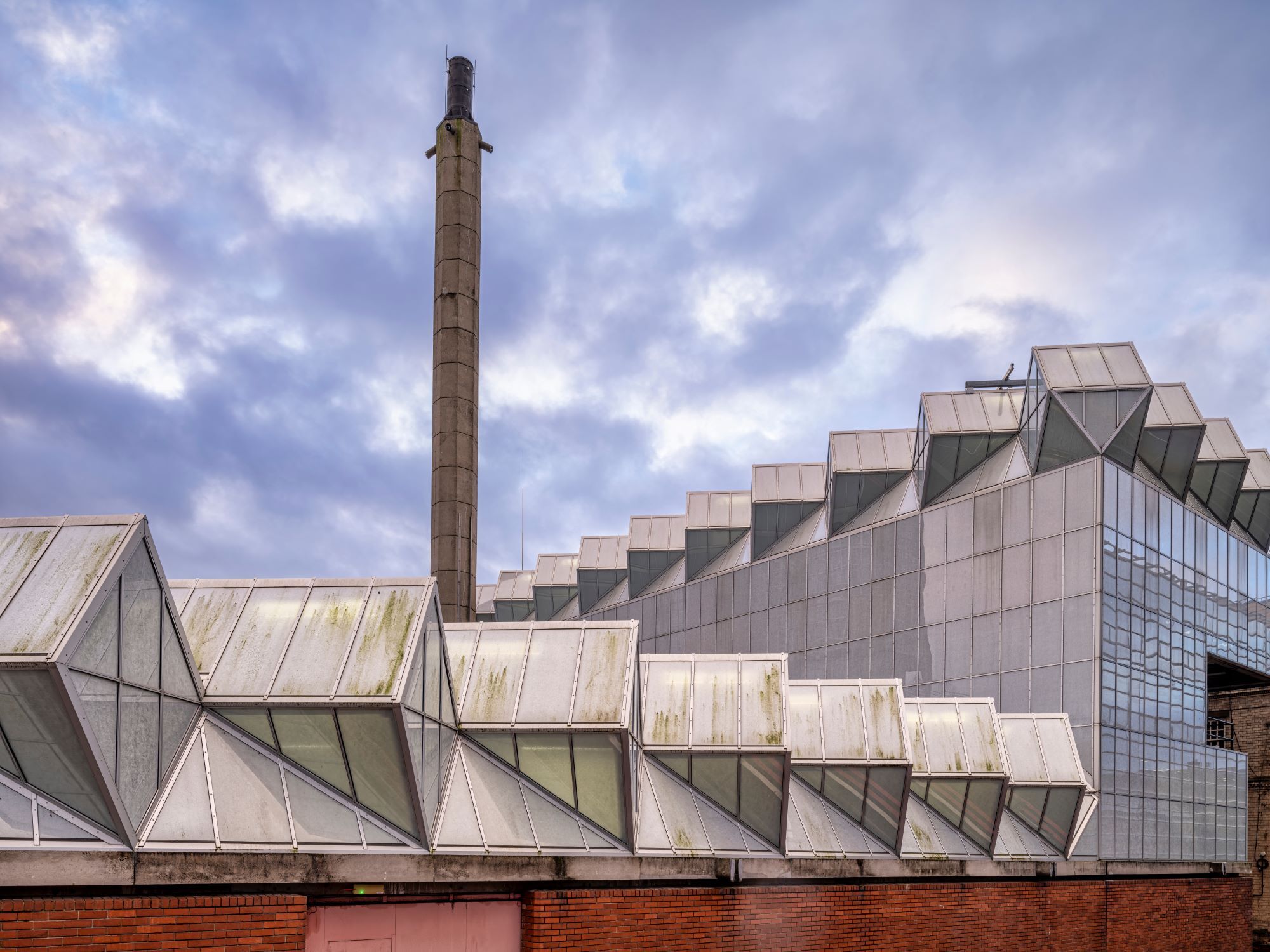
The 20th century forced London into yet another period of recovery and rebuilding. After two world wars, with the second in particular having a profound impact on the city, there was a need for a new identity to emerge. London architecture embraced Modernism and Brutalism for much of its civic structures and modern infrastructure. Both schools held a firm belief that form should function with unnecessary embellishment or decoration largely ignored. Those responsible for creating a new London knew that large scale constructions would have to support a growing population. The materials chosen for construction were ultimately celebrated through design, with concrete, glass and inner workings of buildings often on show.
The Barbican Estate is a fantastic example of this philosophy. It was built on ground destroyed by the Blitz and represented a residential and cultural estate like nothing before it. Elevated concrete walkways with layered massing of towers and terraces encouraged a brand new, total urban environment and community for the city. Similarly, the Southbank Centre rose up beside the famous old river in a collection of massive concrete shapes with its infrastructure and utilities exposed in a bold and aesthetically brave way.
A Future London
As the 21st century arrived it was the city’s role in global finance that drove new architectural shapes and skylines. The experimental skyscrapers crafted in monuments of glass and steel, such as the Gherkin and the Shard, demonstrate a high-tech philosophy driven by late Modernism and contemporary parametric design methods.
Their huge reflective glass facades throw images of the city back upon itself, attempting to achieve a symbiotic relationship with the elements that surround them. A static geometry that had been in place for thousands of years is now usurped by digitally generated shapes and supporting technology from ideation to execution. And, as the buildings climb ever higher, their purpose as mixed-use environments encourage ever more residents and visitors to survey the city below.
From these vantage points, the tapestry of London architecture is fully revealed as a combination of curated conservation and periodic innovation. Its buildings, shapes and connected environments speak to a past that has endured constant ruin and renewal to create stunning streets and skylines that make London architecture the envy of the modern world.