

Published: 21 May 2026
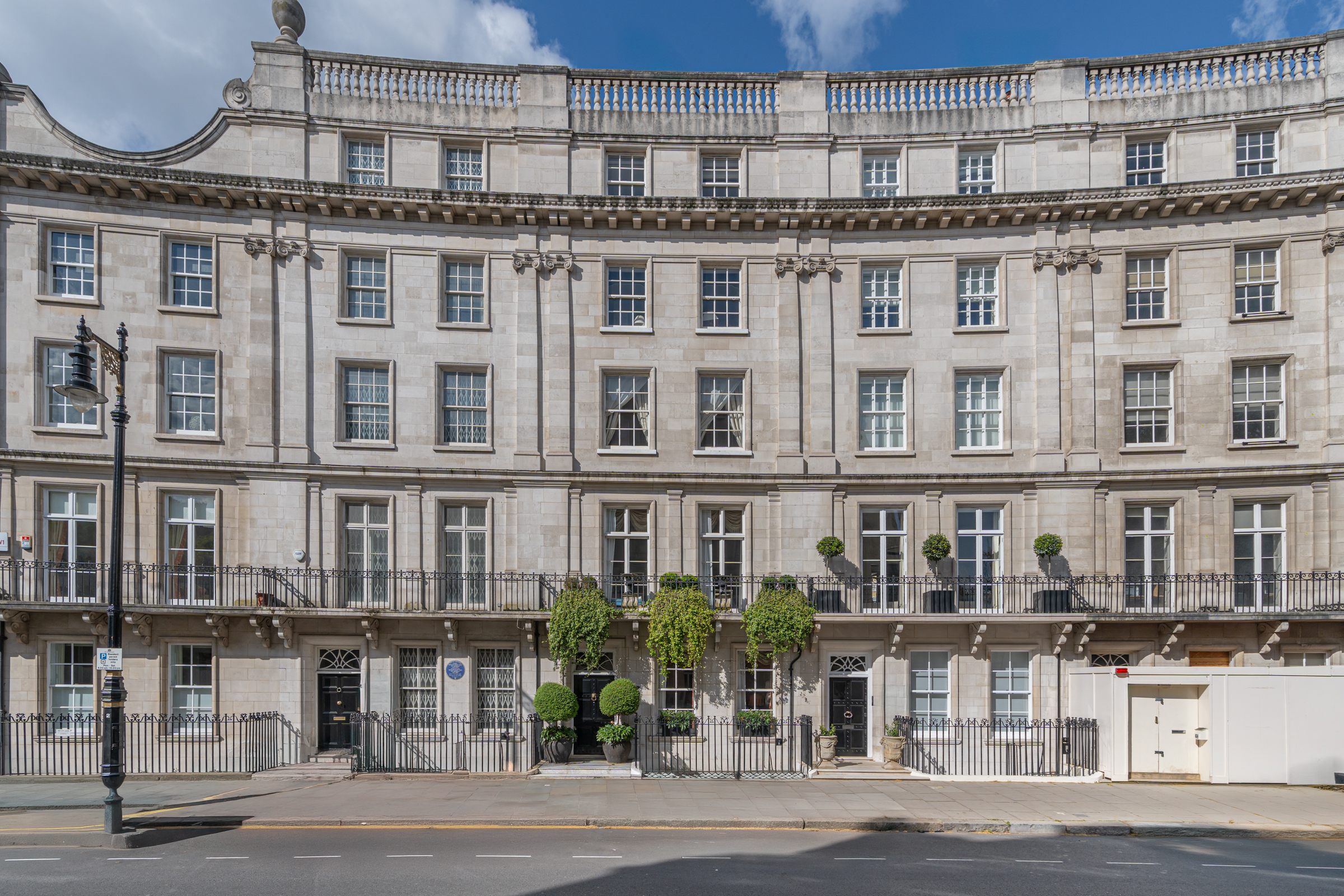
London in the 19th century saw a rapid increase in the middle and upper classes appearing in an ever-expanding city. New neighbourhoods were being developed that needed all of the attendant leisure and retail services to support them. On the outskirts of what was then Central London, the city was transitioning from a semi-rural location to a desirable district that was fashionable and attractive to all who could afford it.
The linen maker Benjamin Harvey was keenly aware of this social shift and was steadily making a name for himself amongst this new, emerging demographic. His original shop on the corner of Knightsbridge and Sloane Street, an address that would eventually become famous around the world, was positioned to serve the fine linens, silks and household fabrics that these households needed for practical use. When Harvey passed away in 1850, the district in which his shop had found a home was already entering a new phase. This was a new era-defining change in the way retail would operate over the next 200 years that saw demand move away from places trading in one speciality towards the new concept of a department store.
Building the Future
Benjamin’s widow, Anne Harvey, looked to her son-in-law, James Nichols, for guidance on how the business could survive and thrive in this new era. Under his custodianship, the store’s offering began to broaden into full garments that were ready-made, personal goods and effects and millinery to literally provide luxury from head to toe. The effect Nichols had was formalised as a partnership with an accompanying name change to Harvey Nichols & Co in the early 1850s.
This evolution was perhaps best expressed in the physical transformation of the store that arrived a short while later. In 1889, the architect C.W Stephens designed a purpose-built new shop with large display windows and attractive facades that faced the street, all surrounded by majestic and powerful red brick. Stephens was aware that retail locations were now as much about spectacle and visual engagement as they were about the transactions inside. Prestige and projected sophistication were the order of the day and Harvey Nichols & Co wanted to become a landmark of this philosophy writ large in bricks, mortar and window dressing.
An Iconic Identity
As success followed through the early part of the 20th century, the idea of department stores as curators of taste was developing too. The brands that held the highest status in this space were those that could carry a distinct identity through everything they offered and the way they did it. For Harvey Nichols, this meant developing a clear objective to become editors of style and purpose. The designers, cosmetic products and lifestyle accessories that were chosen to appear in the stores were carefully selected to align with the brand identity they had built.
This character of the store was evident across its environment and atmosphere that often felt more akin to a gallery or high fashion showroom. It allowed the brand to reflect and respond to modern trends and emerging product lines without having to change any of the fundamental essence of what Harvey Nichols was. They could lead where others followed and introduce where others would be attempting to catch up. All of which maintained relevance and attraction to their clients.
Style Spreads
Harvey Nichols and its flagship Knightsbridge store cultivated a wonderful luxury presence for over 100 years that had successfully navigated two world wars and a litany of social changes and developments in London. As high-end retail careered towards the 21st century, a new chapter was being written for the brand that would ultimately see it travel the world and establish new footholds in significant locations. In 1991, Dickson Concepts purchased the brand for almost £53 million and a pivot towards international luxury was set in place. This would cement its unique and independent identity but augment it with the operational capability to trade all over the world. Harvey Nichols was becoming a brand that travelled very well.
It began with a strategy to arrive in areas of recognised regional wealth growth in the UK. The Leeds store was the first to be unveiled, pitched as the Knightsbridge of the North for the top half of the country. Shops in Birmingham, Manchester and Dublin soon followed as Harvey Nichols spread their inimitable style all over the isles. Importantly, the brand was simultaneously establishing a foothold on the international stage.
In 2000, the first international Harvey Nichols store opened in Riyadh, Saudi Arabia, at the Al-Faysaliyah Tower complex. This was joined by a presence in Dubai, Kuwait and Doha as the Middle East was now similarly enchanted by the same philosophies that Benjamin Harvey first set in motion almost 200 years ago. A total of 13 flagship stores now provide their unmistakable luxury service all over the planet.
Cultural Connections
There are very few retailers that are so keenly understood and as culturally visible as Harvey Nichols in the UK. It serves as an enduring symbol for ambitious and aspirational lifestyles that align themselves with best-in-class products and designers. This connection is perhaps best served through the rather tongue-in-cheek exploration of that world through the celebrated BBC comedy television series, Absolutely Fabulous. It became a shorthand for the champagne and couture excess of the late 1990s, with Harvey Nichols often at the core of their frequent shopping trips and late, long lunches.
However, the much more serious matter of championing emerging design talent and fabulous brands is one that Harvey Nichols continues to take absolutely seriously. Their stores often stock less-established fashion houses first, allowing them to reach a worldwide audience and continuing the overall Harvey Nichols tastemaker status in a clear way.
A Way Forward
As the 21st century progresses, Harvey Nichols is adapting and evolving to find new ways of cosmopolitan innovation. Their commitment to sustainability has been integrated into their high-end, luxury status through collaboration with responsible-sourcing designers and manufacturers. Ethical, environmental and social values are all high on the list of criteria for the kinds of brands, fashion houses and products that are chosen to be promoted and stocked in the flagship stores and online.
In the same way as Benjamin Harvey started his own journey all those years ago, Harvey Nichols is now identifying ways to respond to the growing needs of its clients with products of purpose and luxury. And just like back in the day, everything must be carried out with personality and true style at its heart.