


Published: 7 April 2026
The built environment of England is a tapestry of different eras, periods and architectural styles that tells a unified story of the country. From the settlements of pre-history through to Roman rule and on to the medieval turmoil of conquests and battles for the throne, the buildings that remain all have important and fascinating tales to tell. Preserving these important structures involves a process of listing that restricts development and promotes appreciation and understanding of their status. Grade II-listing is the most common of these, with well over 350, 000 currently achieving this accreditation.
For buyers, owners and investors, a Grade II listing may often be seen either as a badge of prestige or a barrier to change, when in reality, it is neither. The guide explains how Grade II status works in practice, what it protects, and what responsibility it places on those who own England’s historic buildings.
A Listed History
As early as the 19th century, there was recognition from the state that active preservation would be required to keep these stories alive for the following generations. This began with the heritage protection of ancient monuments from 1882 onwards that placed selected locations into formal guardianship. The Ancient Monuments Protection Act took over the late-Neolithic long barrow of Kits Coty House near Aylesford in Kent as the first example that would be forever looked after for maintenance and protection.
The Impact of World War II Begins the Changes
During the Second World War, the country suffered devastating destruction across many of its cities and important civic hubs. An emerging salvage scheme for bomb-damaged buildings at the time included the capability to register those affected as a place of historic interest. In the years that followed victory, a landmark legislation was passed through the Town and Country Planning Act of 1947 that granted a legal basis for the listing of buildings of special interest. This eventually laid a path for official preservation across the whole country. This eventually expanded into what we now understand as the Planning (Listed Buildings and Conservation Areas) Act of 1990.
Categorisation Matters
A Listed Building in England is one ‘which is of special architectural or historic interest’. Within this definition, there are categories that grade them on the strength of their importance and grant them one of three specific statuses:
Grade I is a building of Exceptional Interest.
A good example here is the Tower of London, as this is the most important Norman military structure found anywhere in the world. It also has centuries of connections to the English Royal family as specific points of interest. Other poignant examples are Buckingham Palace, Westminster Abbey, St Paul's Cathedral, and the Houses of Parliament, representing just about 2.5% of all listed buildings that require stringent controls for any changes.
Grade II is for buildings of special interest that warrant every effort to preserve them, but less stringent than Grade I, focusing on preserving their special character. Both grades require Listed Building Consent for alterations, but controls are tighter for higher grades (Grade I). The crucial distinction between the two lies in the rarity and national significance, which dictate the level of flexibility in making changes.
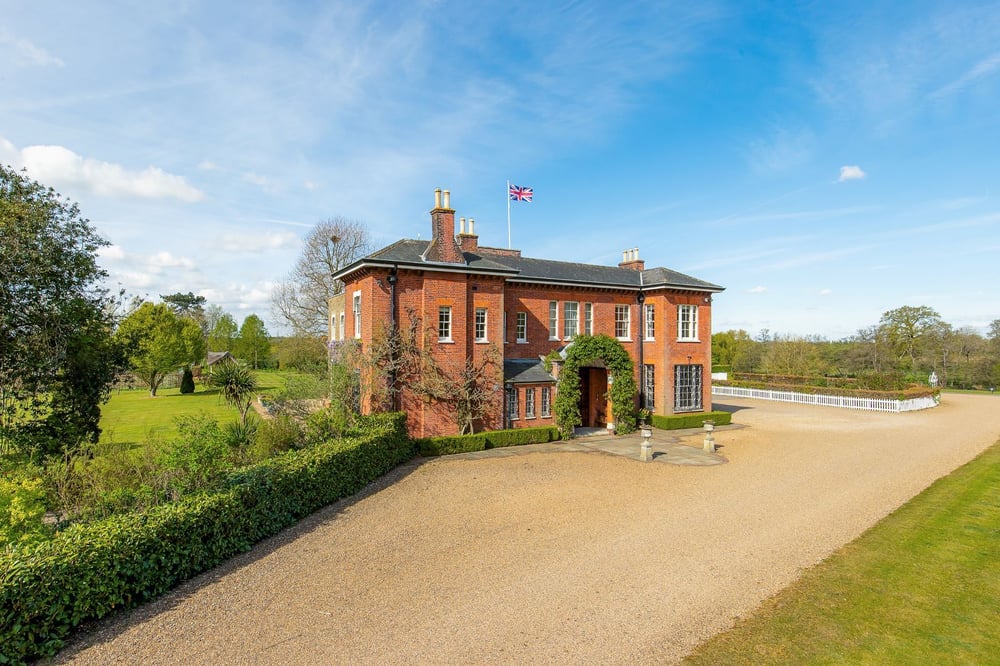
Over 90% of the total of listed buildings in England are Grade II. Although there are some standout examples, such as the mid-century BT Tower, this grade also applies to domestic architecture. There are a number of Victorian terraced Houses with representative examples of brickwork, sash windows, iron work and original street patterns that make them eligible too.
Grading Criteria
Clarifying exactly how a building becomes eligible for a graded status involves a process of marking it against official guidance criteria. The conservation authorities score each building on several categories and their status is a result of how strong they are across each category. However, as is often the case, there may be a very powerful case for one category, such as Close Historical Associations, which means its status is elevated immediately. The discretion of the conservation authorities means that this is more of a process of understanding and context than simple box-ticking. The criteria categories employed are the following:
Architectural Interest
This details the design, decoration and craftsmanship that may highlight building types or innovations.
Historic Interest
This is where important aspects of any social, economic, cultural or military history can be demonstrated.
Close Historical Associations
This is where a building is linked to nationally important people or events.
Group Value
A building may be an integral part of a larger ensemble that could include a terrace or estate of significance.
Age and Rarity
A good rule of thumb is to expect that any building before 1700 will be listed or eligible. After 1840, the process did become more selective.
The Listing Process
Anybody can nominate a building for listed status, including the owner or local authority. Historic England will then assess its suitability against the specified criteria and make a recommendation to the Secretary of State for Culture, Media and Sport in England. If successful, it then enters the National Heritage List for England (NHLE) and the obligations and restrictions are legally enforced.
Know Your Grade II Restrictions
Owning a Grade II-listed building puts one in a position of extreme privilege and responsibility. Essentially, you are a custodian for part of the country’s heritage and must therefore ensure that you comply with any restrictions or prohibitions on the property.
The listing covers the entire building inside and out unless explicitly stated. It may also apply to structures and fixtures attached to the building, so it is always advised to check.
The status is legally enforceable, which means that completing works without consent is a criminal offence that can lead to prosecution.
One must therefore always apply for Listed Building Consent (LBC) from the relevant local planning authority before making any changes. They will undoubtedly be looking for evidence of an understanding of the following elements in their work when contacted.
Materials & Methods
Traditional materials and methods are usually required to protect the fabric without altering its character. As an example, Victorian terrace houses must be renovated with the same bricks and mortar pointing used on the original building to remain sympathetic to the original aesthetic and design.
Change of Use
Even when the building remains intact, changing it from residential to commercial may require specialist consultation and consent. This is usually attended to by the Local Planning Authority in coordination with the conservation authorities that provide listed building consent. Both have to agree for official sign-off.
Inside Intelligence
Fireplaces, staircases, cornices and panelling for the interior may all be protected too. If in any doubt at all, then checks are advised as soon as possible.
Dereliction
There is a myth associated with Grade II-listed properties that dereliction or poor condition liberates it from maintenance and upkeep. This is assuredly not the case. One must stay aware of any dangerous developments or existing decay that may require prompt attention during your ownership. This becomes incredibly important as there have been noted cases where a listed building becomes ‘too expensive’ to repair as a result of the restrictions. The owners have then attempted to let it be condemned over time to recoup the money from the land.
Working Together
The Listed status of the country’s buildings is a joint responsibility between the authorities responsible for preserving a collective heritage and the public at large who occupy, use and maintain them. Owners of Grade II-listed structures are required to keep it in good stewardship at their own expense. There is no obligation to upgrade or improve, but a sensible approach to maintenance is always advised. If it is decided by local authorities that this criteria is not being met, then they are within their power to serve a Repairs Notice that will enforce the due care and attention required. On extremely rare occasions, the local authorities, in collaboration with conservation authorities, can issue a Compulsory Purchase notice to take back the building into their own care and away from the owner.
All of which seems to represent a fitting relationship between the articles of history and the generations of people that will benefit from the attention, care and understanding that they receive.