Published: 21 October 2026
There is something truly appealing about a space that feels entirely your own. Beyond the windows and walls of a home, an enclosed courtyard offers a place to pause, entertain, or simply enjoy a moment away from the demands of everyday life. Sheltered from the outside world, it can become one of the most intimate and characterful areas of a home.
From traditional townhouses with secluded garden patios to contemporary residences arranged around striking architectural courtyards, these spaces demonstrate how thoughtful design can transform even a modest outdoor area. Carefully chosen materials, considered planting, and the interplay of light and shadow can give a courtyard an atmosphere that feels both timeless and personal. For homeowners seeking to make more of their surroundings, the enclosed courtyard is an opportunity to bring architecture, nature, and everyday living together.

The Appeal of an Enclosed Courtyard
An enclosed courtyard offers a distinctive balance between openness and privacy. Unlike a conventional garden, which may be exposed to neighbouring properties or the street, a courtyard can create a more sheltered environment, with walls and considered planting helping to create a sense of seclusion.
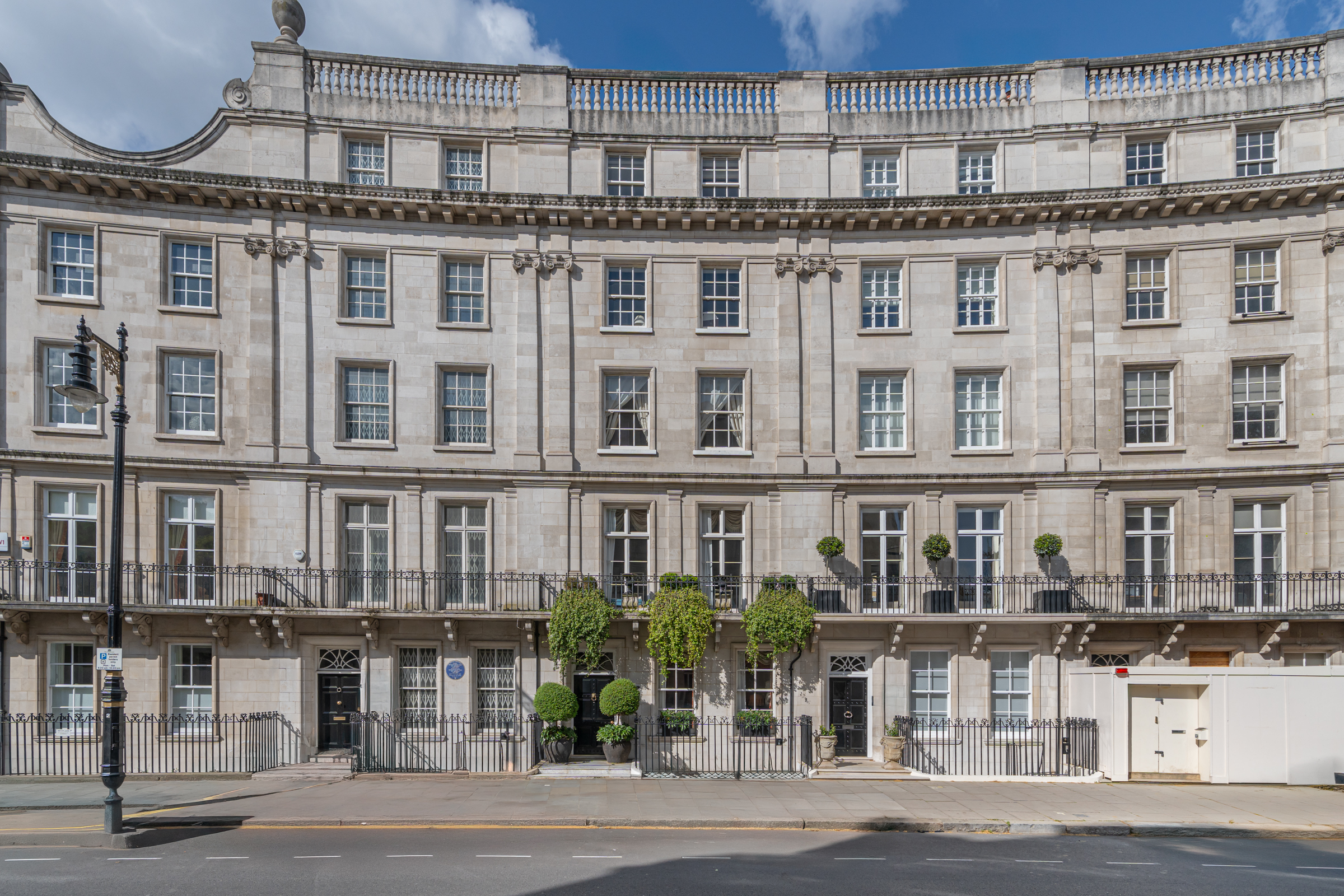
This makes it particularly appealing in urban settings, where outdoor space can be limited and privacy is often a priority. In London, for example, a courtyard can bring a welcome outdoor dimension to a period townhouse or contemporary residence, providing a quiet retreat without requiring extensive grounds. Its appeal also lies in its versatility. A courtyard might serve as a place for morning coffee, an intimate setting for dinner, or a quiet lounge space that can be viewed from the surrounding rooms. With the right design, it can feel like a natural extension of the interior rather than a separate part of the property.
The most successful courtyards are not necessarily the largest or the boldest. Their character comes from how the space is arranged, how it connects to the surrounding rooms, and how thoughtfully each element contributes to the atmosphere.
Choosing Materials That Define the Space
Materials establish the visual identity of a courtyard, influencing whether it feels traditional, contemporary, rustic, or understated. Natural stone can introduce texture and a sense of permanence, while limestone paving offers a softer, more understated finish. Brickwork is particularly effective in period properties, where it can complement existing architecture and create continuity between the house and garden. For a more contemporary style, large porcelain tiles and restrained concrete finishes can produce a clean, minimal appearance.
The relationship between surfaces is just as important as the individual materials. A courtyard with pale stone paving, textured walls and dark metal detailing, for example, can feel quietly sophisticated without relying on extravagant decoration. Repeating materials found inside the home can also create a visual connection between interior and exterior spaces. Practical considerations should also guide the selection process; outdoor surfaces need to be suitable for weather conditions, with appropriate slip resistance, drainage, and durability. In the UK, where rain and changing temperatures are part of everyday life, these details can be just as important as the aesthetic.
Bringing Nature into an Enclosed Setting
Planting is often what transforms an enclosed courtyard from a paved area into a living sanctuary. In smaller spaces, the most effective approach is usually to select plants with varied heights, textures, and forms. Plants can provide structure throughout the year, while climbing plants soften boundary walls and introduce greenery at eye level. Ferns and other shade-tolerant plants can thrive in sheltered corners, while sunlit courtyards may suit ornamental grasses, lavender, and other species that prefer brighter conditions. Trees can also provide a focal point. A carefully positioned multi-stem tree can draw the eye upwards, adding height without overwhelming the available space.
The amount of sunlight the courtyard receives should inform every planting decision. Tall surrounding walls can create areas of shade, while enclosed spaces may retain heat differently from an open garden. Choosing plants suited to these conditions will help the space flourish with less maintenance. The aim is not simply to fill the courtyard with plants, but to create a natural composition that feels balanced, intentional and connected to the home.
Lighting and Water: The Details That Transform the Atmosphere
As daylight fades, lighting can give a courtyard an entirely different character. A carefully considered scheme highlights architectural details, draws attention to planting and allows the space to remain inviting well into the evening. Wall lights can emphasise textured surfaces, while discreet ground lighting can define a pathway or illuminate the base of a tree. Lanterns and low-level fixtures introduce a softer atmosphere around seating areas, particularly when the intention is to create an intimate setting rather than illuminate every corner. However, too much light can flatten the space and undermine the sense of sanctuary that makes a courtyard appealing. A combination of subtle ambient lighting and a few carefully positioned focal points is often more effective than a brightly lit scheme.
Water can also introduce another layer of sensory interest. A small fountain, reflecting pool, or wall-mounted water feature may bring movement and a calming sound to the courtyard. In a contemporary setting, a simple geometric feature can reinforce architecture, while in a more traditional garden, a stone basin may feel more appropriate. Scale matters here: a water feature should complement the space rather than dominate it, with drainage, maintenance, and safety considered from the outset. Together, lighting and water can turn a courtyard into a place that feels as considered in the evening as it does during the day.
Designing a Courtyard for Everyday Living
A beautiful courtyard should be designed around the way it will actually be used. Before choosing furniture or decorative features, consider whether the space will be used primarily for relaxation, dining, entertaining, or a combination of these. For a courtyard used for outdoor dining, a compact table and comfortable chairs may be the natural starting point, while loose cushions and weather-resistant textiles introduce warmth. For a more private retreat, a single lounge chair, a small side table and layered planting may be all that is needed.
Furniture should be proportionate to the available area, leaving enough room to move comfortably. In smaller courtyards, built-in seating and carefully positioned planters can help preserve a sense of openness. In larger spaces, distinct areas for dining and relaxation may make the courtyard feel more purposeful.
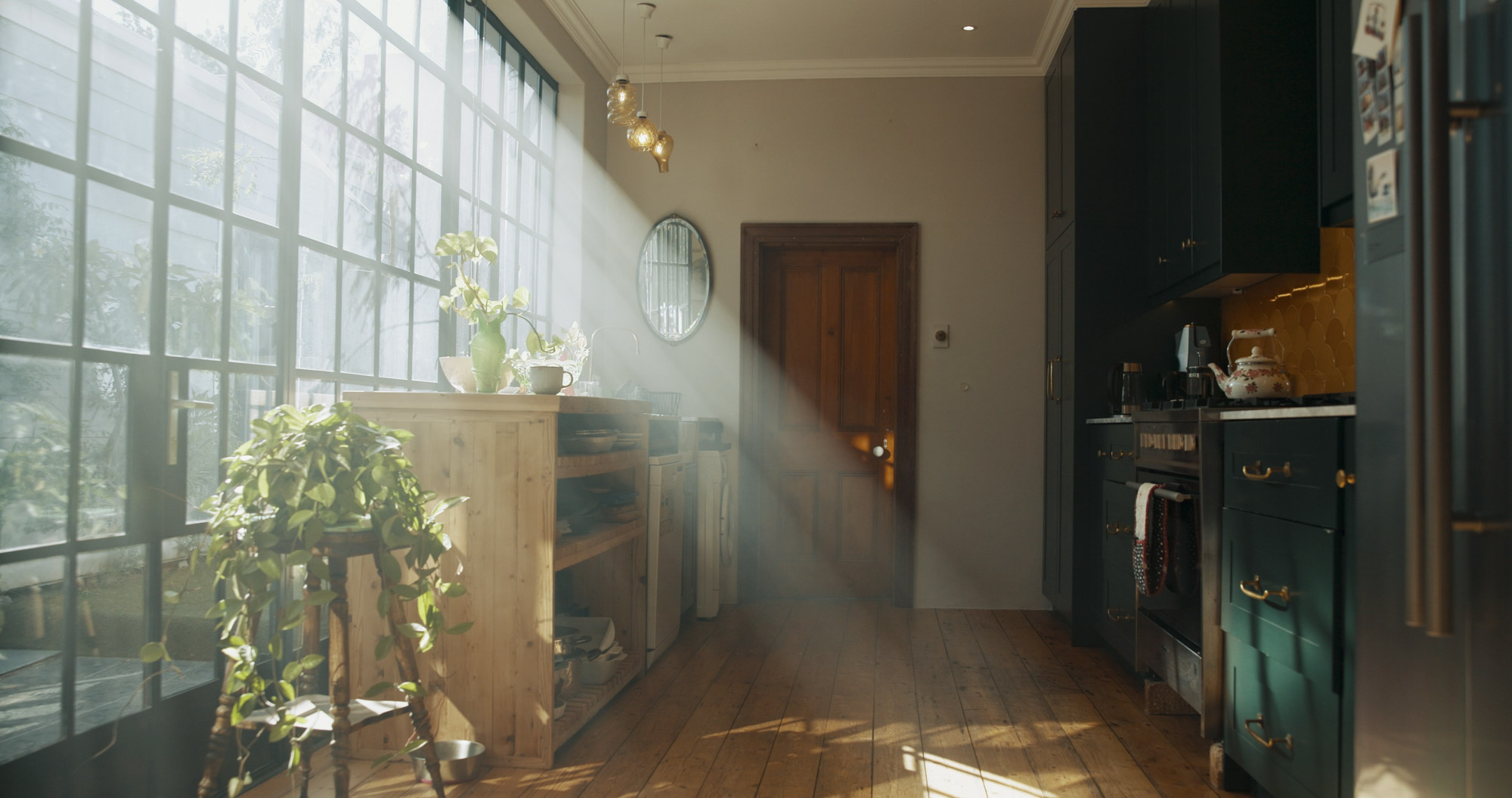
The connection with the interior is equally important; wide doors can create a natural transition between a kitchen or reception room and the courtyard, while a consistent palette of materials and colours can make the two spaces feel connected. This relationship can be particularly effective in homes where the courtyard is visible from several rooms, allowing greenery and natural light to become part of the everyday experience indoors. Ultimately, the best design is one that looks considered without feeling impractical. A courtyard should be somewhere to enjoy, not a space that demands constant attention to remain presentable.
Creating a Space of Your Own
An enclosed courtyard can bring a distinctive quality to a home, offering a private outdoor setting that balances architectural character with the restorative presence of nature. Whether defined by natural stone, carefully layered planting, subtle lighting, or a simple arrangement of furniture, its success lies in the relationship between each element and the way the space is used.
Ultimately, a well-designed courtyard does not need to be expansive or elaborate to make an impression. When considered alongside the architecture of the home and the rhythms of everyday life, even a modest space can become a valued extension of the interior: somewhere to pause, gather with others, or enjoy a quieter moment outdoors. It is this combination of privacy, purpose, and thoughtful design that makes the enclosed courtyard such an enduring feature of residential living.