

Published: 13 October 2026
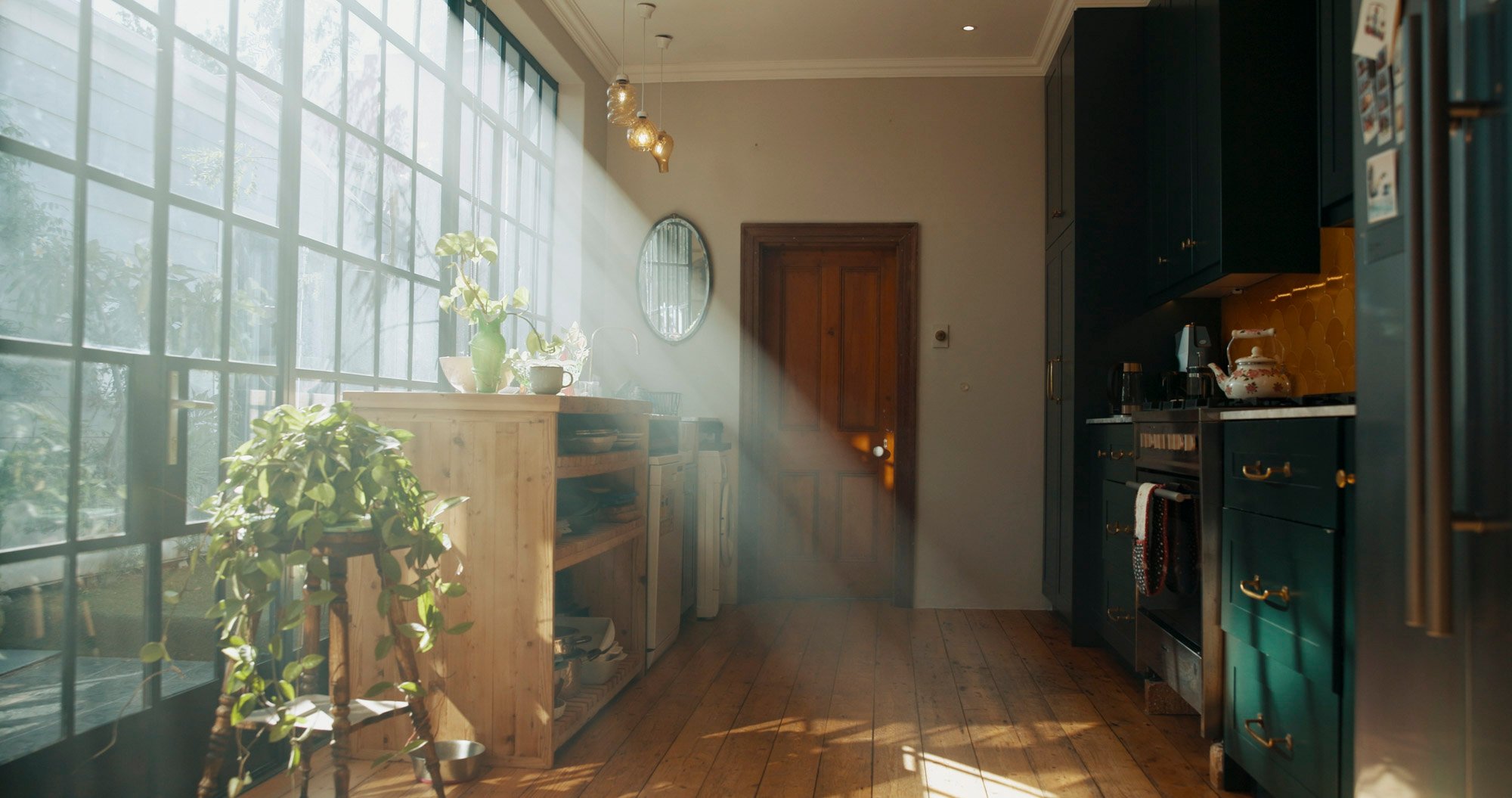
There is a moment, early in the morning, when the light first reaches the garden and slowly finds its way indoors. It moves across the floorboards, lights up the edge of a linen cushion and settles on a bowl of fruit. Nobody planned it and it cannot be bought, yet it may be the most beautiful thing in the house. It reminds us that the best homes are not decorated so much as attuned. They are shaped by the landscape around them, and they soften and shift through the seasons with it.
We often start a home from the inside out. We choose sofas and paint colours and think about finishes and storage, and only later glance out of the window to see what is there. However, it may be worth considering the opposite approach. Begin outside. Look at the trees, how the land falls away, where the sun rises and where it sets, and what the wind carries in. Let the house answer these things instead of ignoring them.
Start with the view
Every window is a frame, and what it frames matters more than anything you hang on the walls. Before you move a single piece of furniture, stand in each room and ask what you see. It might be an old oak, a stretch of water, a neighbour's climbing rose, or just a patch of sky that turns from pale blue to apricot at dusk. Whatever it is, it deserves to be the focal point.
Japanese garden designers have a lovely word for this: shakkei, or "borrowed scenery." It means deliberately bringing a distant hill or a far-off canopy of trees into the composition of a garden, so the boundary between what you own and what you can see disappears. The same idea works inside. Place a reading chair to catch the view, not the television. Keep sills clear. Let the landscape do the work.
Let light lead
Natural light is the most generous material we have, and it is free. Heavy curtains, dark corners and over-furnished rooms quietly shut it out. Try unlined linen, simple blinds, or on the right window nothing at all. Pale lime-washed walls and plaster with gentle movement in it catch the light and hand it round the room without flattening it.
Think about how the light changes through the day and give each room the light that suits it. Morning light is clear and bright, which makes it perfect for breakfast. Evening light is warm and low, the kind you want to curl up in. A home designed around the sun feels calmer, and it tends to be kinder on energy bills too.
Borrow the palette from outside
Choosing colours becomes far less daunting when you let the garden guide you. Look closely at bark and lichen, weathered stone, the silver undersides of olive leaves, dry grasses in late summer, and the soft grey-green of sage. These colours are never flat. They are layered and a little imperfect, and they sit happily together because nature put them there first.
Carry them indoors in small, considered ways: a sandy plaster in the hallway, a moss-coloured velvet chair, or joinery painted the colour of wet stone. Avoid anything too shiny or too new. The goal is a home that feels as if it has grown into its setting instead of being dropped on top of it.
Choose materials that age gracefully
Natural materials carry the outdoors in without shouting about it. Oak, walnut, terracotta, rattan, wool, cotton, clay and stone all soften with use and gather a patina. A scuffed kitchen table or a worn step tells a story about the life around it. Materials like these also feel honest underfoot and under hand. They are warm in winter, cool in summer and quietly tactile all year round.
Blur the threshold
The most memorable homes make stepping outside feel natural and effortless. Wide doors that open fully, a terrace that continues the kitchen floor, a covered porch where you can sit through a summer shower: each of these widens where life happens. Even in a flat, a well-planted balcony or a deep window box turns the view into a garden you can reach out and touch.
Plant close to the house. A tree near a window gives dappled shade in summer and throws moving shadows onto the walls in winter. Climbers around a doorway bring scent right to the threshold. Jasmine, honeysuckle and wisteria turn the simple act of coming home into something to look forward to.
Live with the seasons
A home designed around nature is never quite finished, and that is part of its pleasure. In spring, bring in branches of blossom and let the rooms feel light and airy. In summer, strip back, throw the doors open and let the air move through. Autumn invites warmer textures like wool throws, amber glass and bowls of windfall apples. In winter, the bare garden shows off its structure, so this is the time to pull chairs closer to the fire and enjoy the frost from indoors.
Small changes like these, made in step with the world outside, keep a home feeling alive. They also keep us connected to the rhythm of the year, which modern life so often lets us forget.
Why it matters
There is a growing body of research into biophilic design, the idea that we are wired to feel better around nature. Views of greenery, natural light and organic materials have been linked to lower stress, better sleep and a greater sense of wellbeing. But you don't need a study to tell you what you already feel when sunlight comes through leaves or the scent of rain drifts through an open door.
Designing your home around nature isn't about grand gestures or large estates. It is about paying attention to what is already there and giving it room. When the house and the landscape are in conversation, a home becomes more than a place to live. It becomes a place to belong.