

Published: 8 April 2026
It is often said that the ultimate honour that can be bestowed upon any company or brand that operates in the city of London is the Royal Warrant. This is the official recognition granted to companies and individuals that supply goods and services to the Royal Household on a regular basis. It remains the high watermark for a vendor and acts as a perfect case study for those looking for a reference to how well the company can be expected to perform.
However, in the case of Queen Anne’s Gate in Westminster this prestigious process has undertaken a wonderful role reversal. A member of the British Royal Family has been responsible for supplying their own services in the creation of one of the capital’s most impressive new residential developments.
By Royal Appointment of a Different Kind
David Albert Charles Armstrong Jones represents one of the most unique positions anywhere in the world for interior design. As the son of Princess Margaret, the younger sister of Queen Elizabeth II, he is currently 26th in the line of succession to the British throne and simultaneously heads one of the most admired interior design brands currently at work in England. David began learning his craft at Parnham House, Dorset in the early 1980s as a specialist wood worker with generations of skills, knowledge and experience as a resource to draw from there. In 1985 he made the decision to take the professional name of David Linley, and the LINLEY brand was created soon after that. It quickly carved out a superb niche in neoclassical style furniture, upholstery and a full supporting suite of interior design services. LINLEY became renowned for its elegant use of materials and classical references that elevated centuries of design aesthetics with a modern polish and regal flair.
Queen Anne’s Gate
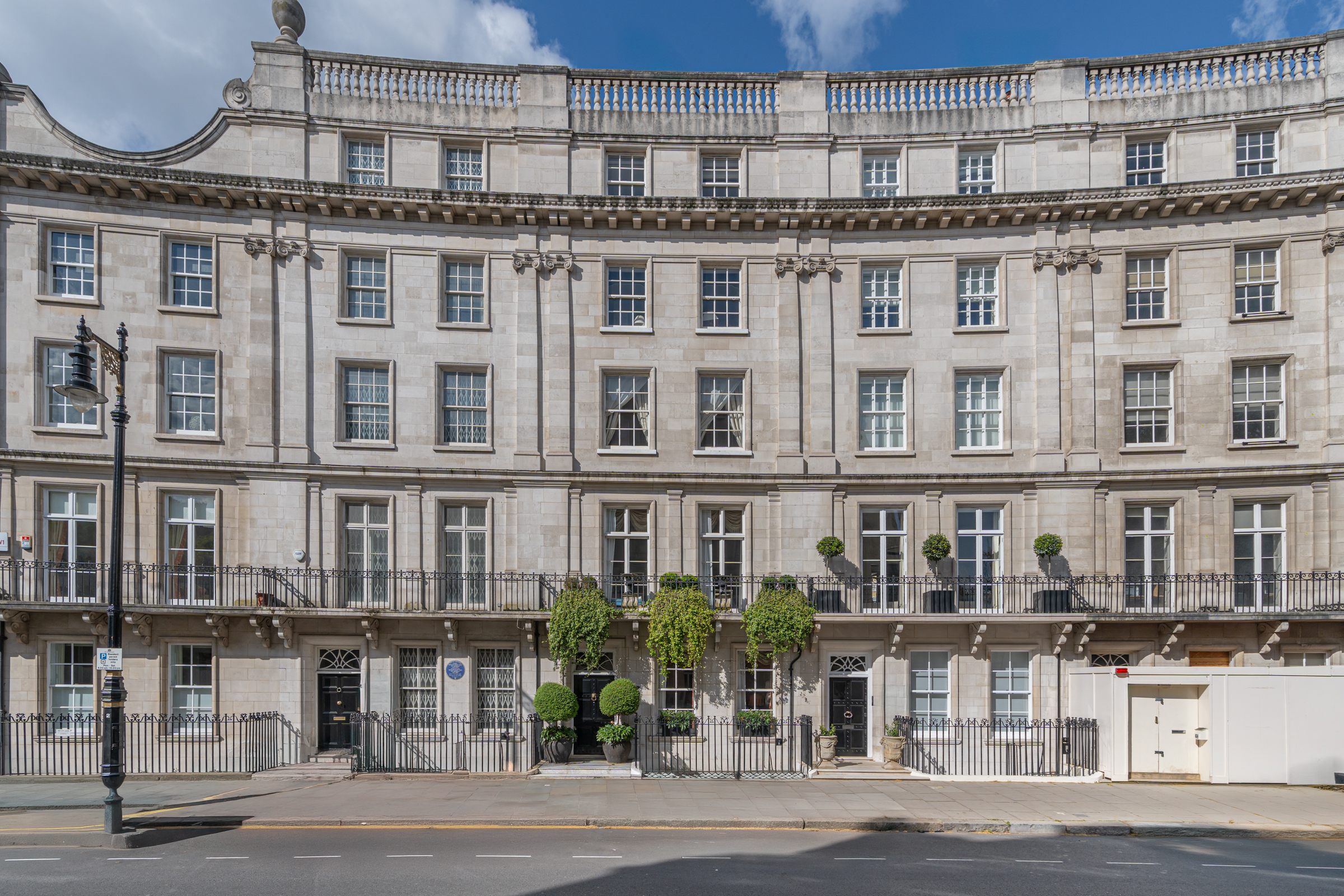
The recent project to create residential apartments at Queen Anne’s Gate, near St James’s Park in Westminster was an ambitious attempt to transform a collection of historic buildings into homes of modern luxury. Three separate townhouses from the 17th and 18th centuries had previously been amalgamated into one grand building that was now five storeys of neo-Georgian and Edwardian majesty with a Grade-II listed façade. It was clear that whoever was to be responsible for the restoration and design would have to understand the brief in the most sympathetic and successful manner. It was no surprise that LINLEY was swiftly chosen as the brand to take care of every aspect of the interior design.
Two Worlds Coalescing
The exquisite British craftsmanship and eye for timeless style had to be fused with an understanding of what is important in the modern age for metropolitan residences of unequalled amenities and luxury. This is evident from the entrance where the Cubitt family crest remains as a significant marker for this location’s wonderful history. As with everything in the St James’s Park neighbourhood this place speaks in hushed tones of refinement without any need for the volume of flamboyance that would mar its almost private-members club atmosphere.
Spectacular Specifications
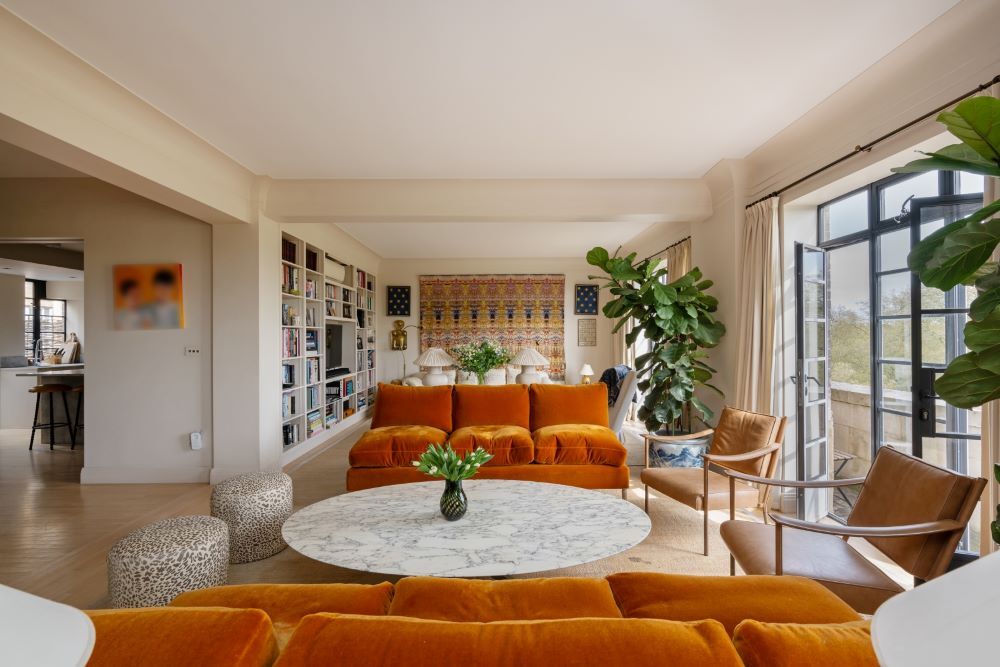
The flow of the residents throughout the entire space is considered and met with a mindful and material-led design language. Herringbone oak parquet underfoot offers a natural and solid connection with the large sash windows that encourage streams of light into the rooms under coffered ceilings with deep cove detailing. Bespoke LINLEY joinery takes care of the call from modernity through wonderful TV and media units that allow for both formal and relaxed seating zones to be configured.
Generous spatial proportions for the apartments mean that this feels like city-living on a grander scale. The custom kitchens and cabinetry from TM Italia work in concert with quartz and marble worktops for a bold and remarkable feel that never loses its focus on purpose and functionality. It is easy to spot further touches of intimate woodworking knowledge, undoubtedly driven by David himself, through the furniture and finishes applied in the bedroom spaces with door veneers from acclaimed specialists Hampton Doors. Similarly, in the bathrooms and ensuites, the brassware and fixtures that accent the Italian marble are provided by the very pinnacle of the bathroom hardware world, THG Paris, with a special finish of Bronze Clair Matt for the project.
Superb Shared Spaces
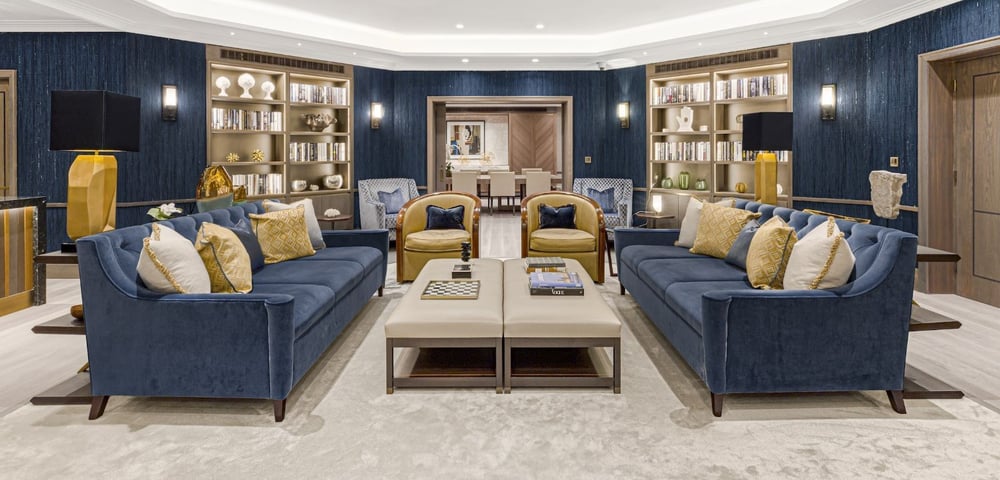
The amenities level of the building utilises almost 3000 square feet of communal space that includes a Club Lounge, Cinema Room and Fitness Wing with Spa facilities. This incredible collection of spaces is tied together with a muted and neutral palette of colours and materials that still allow each to have a distinct identity. The Club Lounge is dressed much like an exclusive members club from centuries ago with feature chairs, coffee tables and furniture all created in bespoke style for the building. Ambient lighting works in a zoned and layered way for residents to navigate through each section with a flow and transitions that feel purposeful without ever crossing into commercial.
Satisfyingly Sustainable
It was essential to everybody involved on the project that sustainability and responsible sourcing of materials was a high priority at all times. With a BREEAM rating of Excellent at the post-construction stage it was clear to see a fabric-first philosophy throughout the scheme. The interiors that were crafted with long-life durability for new features alongside the sympathetic restoration and reuse of the heritage shell were undoubtedly a key element for this approach.
The apartments at Queen Anne’s Gate have everything required for excellent city living in an impeccably well-coordinated lifestyle ecosystem. David Linley’s skilful hands, experienced eye and creative spark have ensured that the interior design is certain to be equally well appointed, received and celebrated across London for a very long while.