

Published: 23 February 2026
The echoes of the past are everywhere in the built environment of the UK. In the cities, towns and villages that now support 21st century living, there is an incredible history that stretches back thousands of years detailing settlements, communities and buildings. More often than not, there is evidence of fortified structures that would have been used to defend against attackers and mark territory borders. These began with simple earth mounds and ramparts that would provide higher ground as a defensive advantage as far back as 900 BCE.
Medieval Magic
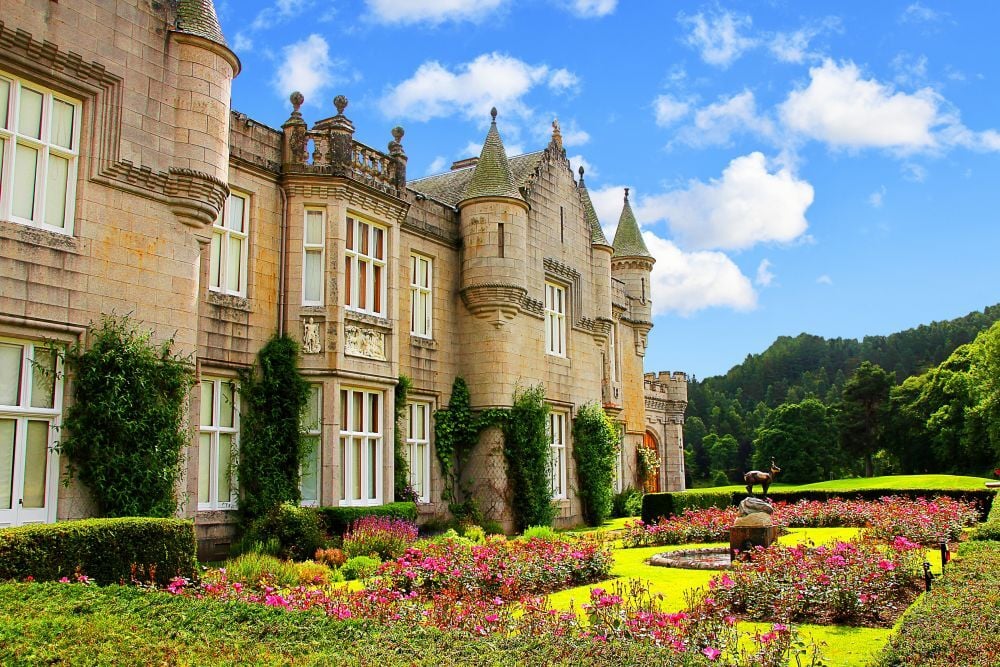
However, it is the medieval castle that remains an enduring symbol of this idea in the country. Following the Norman Conquest of 1066, the now familiar motte and bailey design of ditches, keeps and courtyards began to appear everywhere. They quickly became working fortifications for the Normans against the possibility of local uprisings, placed strategically on river routes and town lookouts. They also became visible symbols of might and power to rule the population and eventually administrative centres of local governments, courts and markets.
Many of these wonderful structures remain today to offer a thrilling visitor experience that combines storytelling, social history and an opportunity to witness how castles work in real life. Here is a brief guide to a collection of the very best.
Windsor Castle
Windsor Castle was created towards the end of the 11th century as William the Conqueror wanted a position above the River Thames as a royal base that could control the western entry to London. Originally, it was a timber construction that improved and adapted through the centuries due to its significance as a working royal residence that continues to this day.
St George’s Chapel was built in the castle between the 15th and 16th centuries to reinforce this status and is the burial place of ten past monarchs, including Henry VIII, Charles I and Elizabeth II. The State Apartments offer visitors an incredibly rare opportunity to move through these working examples of a royal residence with its stunning reception rooms and artwork from the Royal Collection that features pieces by Holbein, Van Dyck, Rubens and Canaletto. The story of the castle is to be experienced through self-guided exploration, and no two visits are likely to be the same, particularly if the royal standard is flying, which would signify that the King is in residence at the same time. A comprehensive visit here would take around 4 hours, and one may even be fortunate enough to witness the fabulous ceremony of the changing of the guard if the timings are synchronised. Windsor Castle is a living institution that delivers a visitor experience unlike any in the world.
Edinburgh Castle
There cannot have been more intimidating sights for invading forces to witness than Edinburgh Castle looming over them from the top of a rock with sheer faces on three sides. Its location has made it an important and impressive stronghold in the area since the Iron Age, to survey coastal defences and land routes for defence in a deliberately intimidating way.
Few buildings in the entire world carry as much narrative weight as Edinburgh Castle. This place changed hands between English and Scottish forces countless times and eventually became the most important symbol of Scottish sovereignty and resistance, with kings and queens taking refuge here through centuries of unrest and warfare.
Approaching the castle for a visit cements this status as a steady ascent allows one to experience the commanding views that have made it so fought after. Inside, there are military museums to be explored with audio guides to assist with any chronology or associated figures. The castle is also home to the Honours of Scotland, which work as the Scottish Crown Jewels, alongside the Stone of Destiny, an important element of the coronation for Scottish monarchs.
Edinburgh Castle is a vast sight that can easily take half a day to cover. It is often extremely busy and is very open to the elements when the wind and rain make an appearance, so caution is advised on those days. However, it all adds to the drama and thrill for this castle masterpiece.
Castell Caernarfon
Castell Caernarfon was built following the conquest of Wales by Edward I. Unlike many of the more strategic fortifications in the country, the castle was part of a much bigger plan for dominance and rule to stand as a symbol of strength and authority. Its position on the Menai Strait meant it could survey sea and land routes while remaining as an almost imperial figure on the landscape.
The distinct architecture of the castle gives it the polygonal towers and monumental gateways that employ elements of classic Roman and Byzantine design. Such was the ambition of Edward’s plans here that it was never actually finished due to the rising financial and political pressures upon him. It forms part of the UNESCO World Heritage-listed status for the ‘Castles and Town Walls of King Edward in Gwynedd’ alongside the similarly impressive castles of Conwy, Harlech and Beaumaris in the surrounding areas.
Visitors here can ramble the ramparts across extensive battlement stretches and climb towers for stunning views across both the sea and the mountains of Snowdonia. It feels much more liberated than many of the formal castle experiences and allows for younger minds to let their imaginations run wild in the halls of history and splendour. An extensive visit should take around two hours to appreciate the charm of Castell Caernarfon.
Dover Castle
The White Cliffs of Dover hold such a special part of England’s story, overlooking the narrowest part of the English Channel that connects the country to mainland Europe. Dover Castle here was a project of Henry II that began in the 12th century but as the Roman lighthouse in its grounds demonstrates, this location has been significant for thousands of years before it.
The castle became known as the Key to England with a dual purpose to project authority and withstand any siege that may befall its walls. The Great Tower is perhaps the best representation of both these aims, as it was designed to be used as a palace and fortress for the King himself. The architecture has been appropriately adapted through the ages to provide a fascinating tapestry of historical reference. Medieval curtain walls are augmented by Tudor artillery platforms. Napoleonic barracks give way to extensive underground tunnels that date from the 18th century onwards and there are even secret structures that housed military operations from World War II. Immersive exhibitions allow these to be experienced in an incredibly powerful and engaging way as part of the castle’s proposition as a modern attraction.
There are literally centuries of history to uncover here, and it could easily take most of the day to get the most from it. Indeed, Dover Castle acts as the perfect entry point to understand the fabric of an island country so shaped by war and regime change over its many eras.
Castles are the keepers of the UK’s stories. They guide visitors through thousands of years of history with a physical presence on the landscape that is vital to preserve and celebrate. Planning a visit to one of them is a superb way to understand more and walk in the footsteps of the figures that shaped a nation.