November, 2026
Can Foreigners Buy Property in the UK Without a Visa?
The UK continues to attract international property buyers, from those seeking a London base to families lookin...
Explore more
Rent
Prime
Countryside
South West
Scotland
Latest stories
November, 2026
The UK continues to attract international property buyers, from those seeking a London base to families lookin...
Explore moreNovember, 2026
In our Q3 2026 sales analysis, 10% of sales involved properties held in a special purpose vehicle, or SPV. For...
Explore moreNovember, 2026
If you are selling a home in England or Wales, allow several months from the decision to sell to the day you h...
Explore morePublished: 17 November 2026
The UK continues to attract international property buyers, from those seeking a London base to families looking for a second home. Its established property market, historic architecture, and internationally recognised cities offer a wide range of options. But can overseas buyers purchase a property without a visa, and does ownership affect their right to live in the country? Here is what prospective buyers need to know.
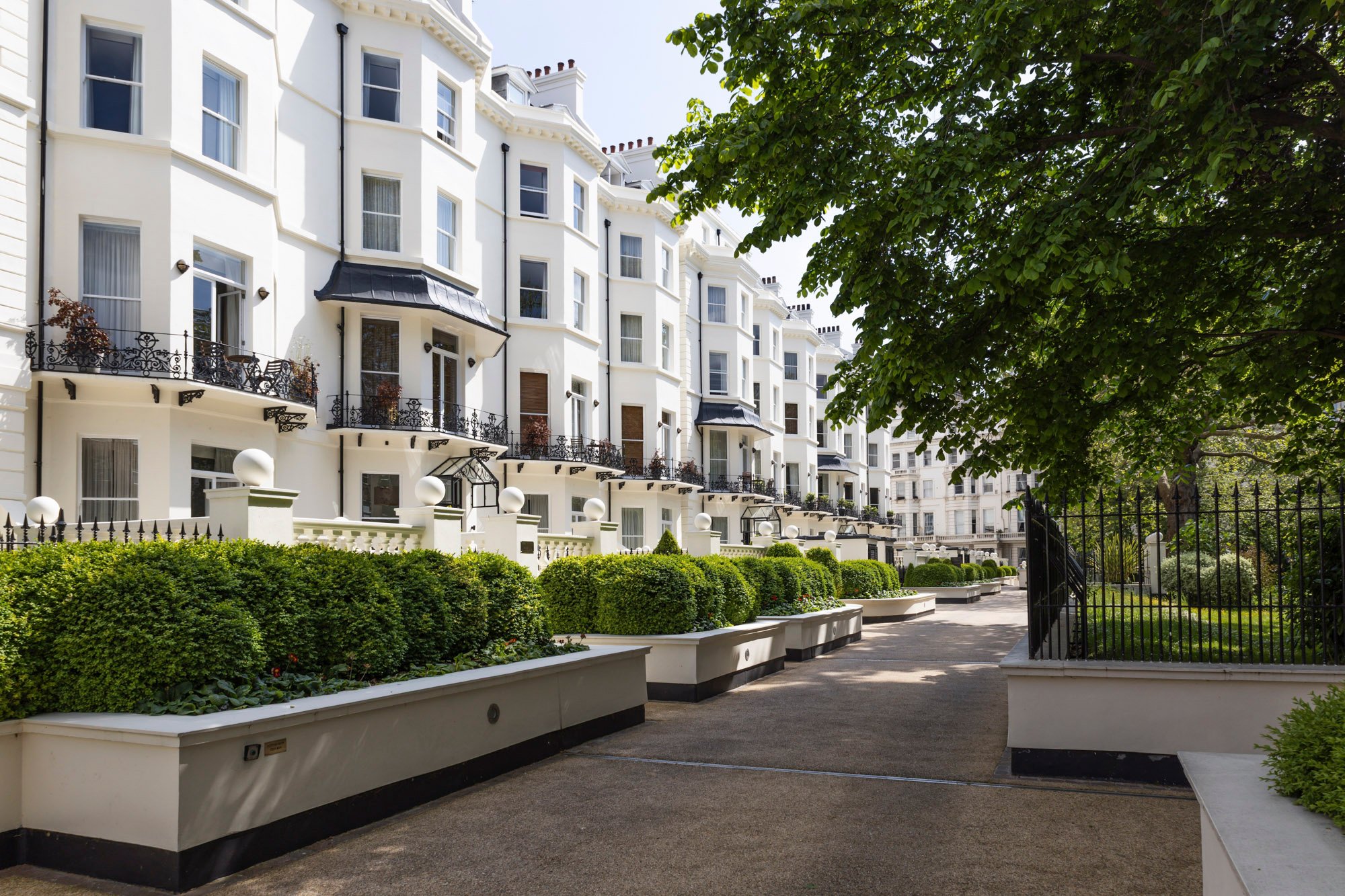
Unlike some countries that impose restrictions on foreign ownership of residential property, the UK generally allows overseas buyers to purchase property without having a visa, permanent residency, or British citizenship. This means an American buyer can purchase a property anywhere in the UK. The same general principle applies to buyers who intend to use their property as a second home, holiday residence or investment. There is no general requirement to become a UK resident before completing a purchase. For international buyers, this distinction makes the UK an accessible property market, but one that requires careful planning around ownership, taxation and immigration.
One of the most important points for overseas buyers to understand is that purchasing a property in the UK does not provide automatic residency. Even if a buyer spends millions of pounds on a London residence or acquires a country estate, the purchase itself does not grant the right to live in the UK permanently. This is particularly relevant for buyers considering a second home in London; a property can provide a convenient base for permitted visits, but the owner’s ability to stay in the country remains subject to immigration rules.
International buyers can generally acquire a wide range of residential property in the UK, from contemporary city apartments and historic townhouses to waterfront residences and substantial country estates. London remains a particularly prominent destination for international purchasers. Areas such as Mayfair, Knightsbridge, Chelsea and Kensington offer a combination of established residential prestige, cultural attractions and access to the capital’s financial and commercial districts. For buyers seeking a central London base, these neighbourhoods provide a variety of architectural styles, from period residences to contemporary developments.
Overseas purchasers can also consider new-build developments, existing residential properties and certain investment opportunities. The suitability of a particular purchase will depend on the buyer’s intended use, the property’s location and condition, and the costs and obligations associated with ownership.
The taxes payable when buying a UK property depend on where it is located, the buyer’s circumstances, and whether they own other properties. In England and Northern Ireland, Stamp Duty Land Tax is calculated using progressive bands, rather than a single rate applied to the full purchase price.
Buyers who are non-UK residents for Stamp Duty Land Tax purposes may also pay a 2% surcharge on residential property purchases. Those buying an additional property may be subject to a further surcharge, generally 5%. The applicable rates and any reliefs depend on the details of the transaction, so buyers should seek advice before proceeding. Scotland and Wales have their own property transaction taxes: Land and Buildings Transaction Tax and Land Transaction Tax; however, the Stamp Duty Land Tax non-resident surcharge does not apply in either country. International buyers should also account for ongoing costs, including council tax or other local charges, and potential tax on rental income or capital gains.
Overseas buyers may be able to secure a UK mortgage, although eligibility and lending criteria vary between providers. Lenders will typically consider the buyer’s income, credit history, deposit and country of residence, as well as the property itself. Some banks offer mortgages specifically for international buyers, while others may require applicants to have a UK bank account or a larger deposit. Buyers should compare available options and obtain advice from a mortgage specialist familiar with non-resident applications.
The UK continues to appeal to international buyers for its established property market, legal framework and range of homes, from city apartments to country estates. London remains a prominent choice for those seeking a global city base, while buyers looking beyond the capital may be drawn to the countryside, coastal areas and historic towns. For some, a UK property offers a second home or a place to stay during permitted visits. Others see potential for long-term investment or rental income. The right choice will depend on the buyer’s priorities, intended use and understanding of the costs and responsibilities involved.
Overseas buyers can generally purchase property in the UK without a visa or British residency, but ownership and the right to live in the country are separate matters. Understanding the relevant tax rules, financing options and ongoing costs is therefore an important part of planning a purchase. With the right professional advice and a clear sense of their priorities, international buyers can navigate the process with greater confidence and choose a property that suits their intended use, whether as a family home, a second residence or a long-term investment.