

Published: 21 April 2026
Worcestershire offers a wide mix of experiences, from historic houses and museums to family attractions, walking routes and cultural landmarks, which makes it one of the best places for days out and short breaks in central England.
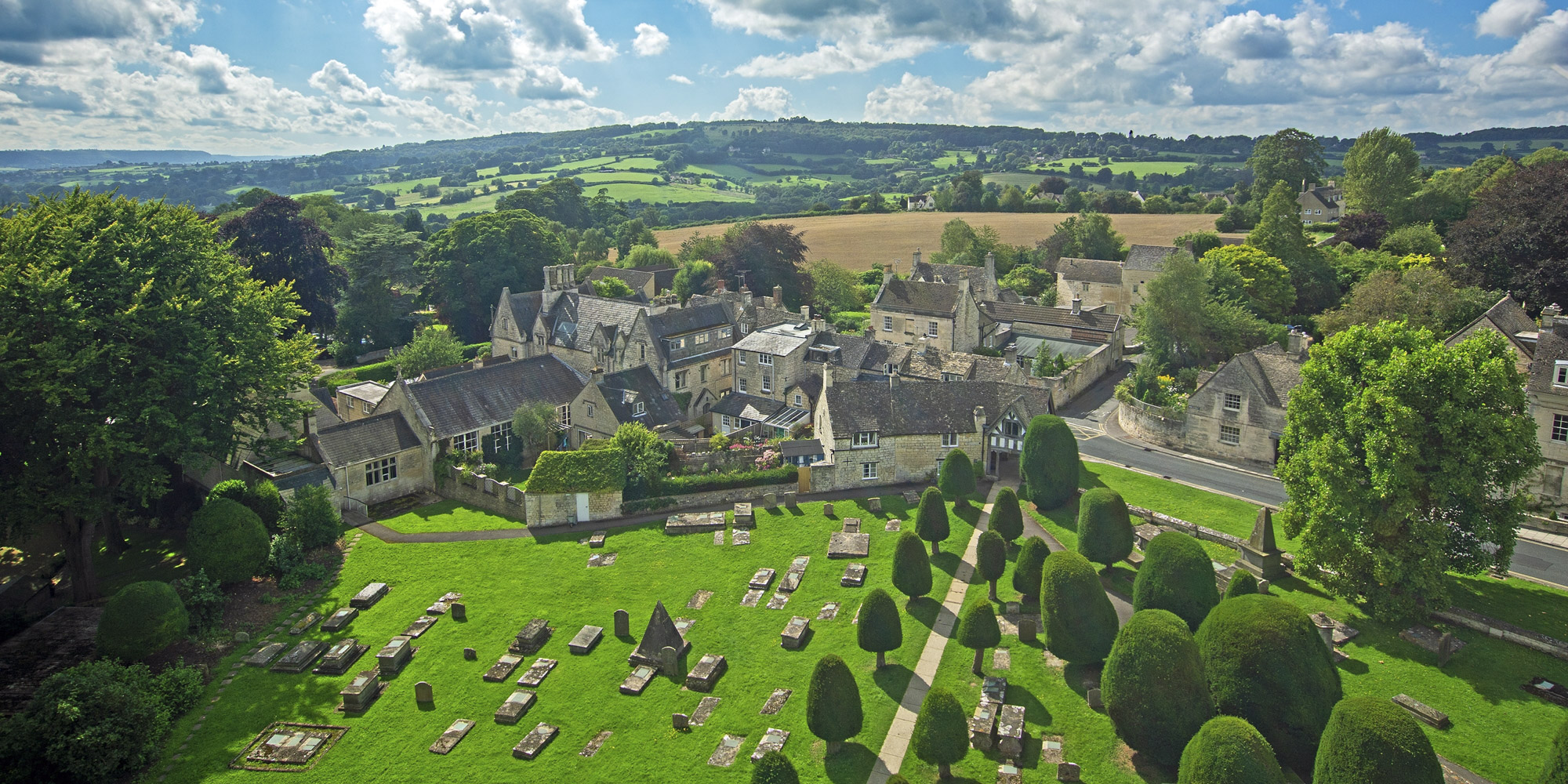
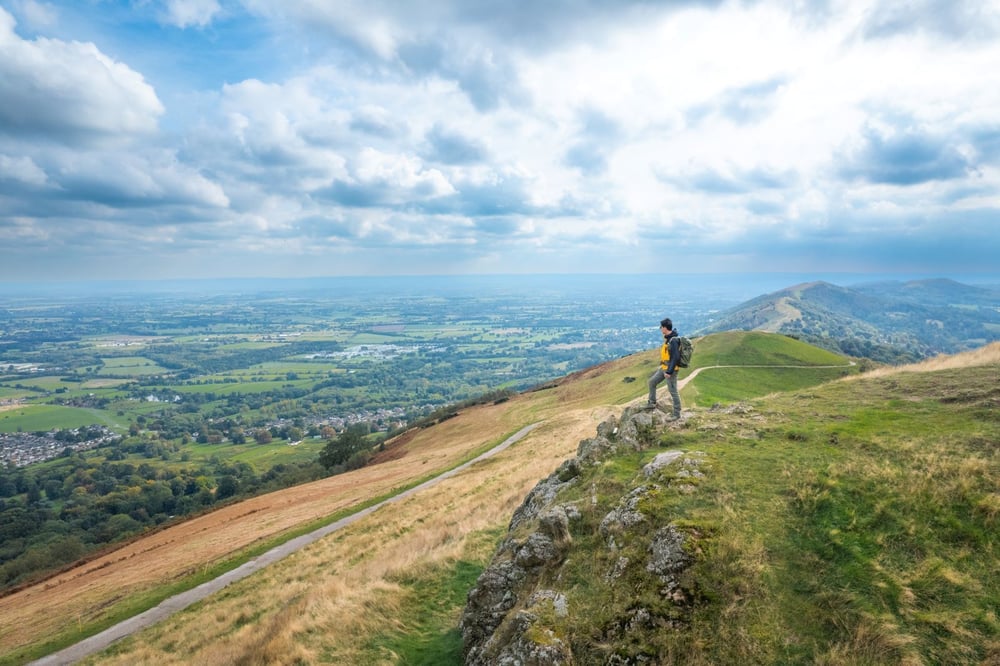
The county is defined by its landscape and history, where centuries of change have shaped both its towns and countryside. Located in the West Midlands, it is most known by the River Severn, Britain’s longest river, the rolling Malvern Hills and agricultural land that has supported market towns and local industries for centuries.
History
Internationally, the county is best known as the birthplace of Worcestershire sauce, created in the city of Worcester in the 19th century and it continues to be closely associated with British manufacturing through names such as Morgan Motor Company and Worcester Bosch.
History runs through the landscape here, from Iron Age earthworks on the Malvern Hills to Worcester Cathedral, home to the tomb of King John and the surrounding countryside that witnessed the final battle of the English Civil War in 1651.
In this guide, we reveal a handful of the best things to do in Worcestershire.
Explore The Commandery in Worcester
Reopened on 1 February, The Commandery stands as one of Worcester’s most layered historic sites, a building whose fabric reflects nearly a thousand years of change. Built on the site of an early medieval chapel, it has served as a monastic hospital, a family home, a Royalist headquarters during the English Civil War, a college for the blind and an industrial printworks, before becoming a museum dedicated to telling the city’s story. Its most defining moment came in 1651, when it acted as the Royalist command centre during the Battle of Worcester, the final and decisive conflict of the Civil War.
Tradition holds that the original hospital was founded around 1085 by Saint Wulfstan, Bishop of Worcester, incorporating an earlier Saxon chapel dedicated to Saint Gudwal. Positioned just outside the medieval city walls near the Sidbury gate, the site occupied a junction of roads from London, Bath and Bristol. Over the centuries, successive owners adapted and expanded the building, leaving behind a rich architectural record that includes the medieval Great Hall, the Painted Chamber and later domestic interiors created when the Wylde family transformed The Commandery into a Tudor and post-medieval residence.
Experience the Morgan Motor Factory in Malvern
Morgan Motor Company is based in Malvern, where more than a century of British sports car production continues at the firm’s historic Pickersleigh Road site. Founded in 1909, Morgan has built its reputation on a distinctive approach to coachbuilding. Every Morgan is still designed and built in Britain, with an emphasis on tailoring and individuality that reflects the idea that no two cars are quite the same.
At the heart of the site sits the Morgan Experience Centre, an immersive gateway into the brand’s past and present. Housing the Morgan Works showroom, café, retail space and the Archive Room museum, the centre offers visitors an opportunity to explore over a century of history through guided factory tours, curated displays and access to current models. Experience drives extend that connection beyond the workshop, allowing guests to take the wheel of a Morgan on local roads through the surrounding countryside.
Discover Worcester Medical Museums
Worcester Medical Museums offer a rare and closely researched insight into the development of healthcare, medicine and medical thought in one of England’s oldest cities. Operating across two sites, The Infirmary Museum and George Marshall Medical Museum, the organisation brings together history, science, art and lived experience to explore how medicine has shaped and been shaped by society for over two centuries.
The Infirmary Museum is located on the University of Worcester’s City Campus, occupying part of the former Worcester Royal Infirmary, which operated on the site from 1771 until 2002. Through interactive exhibitions and guided tours, the museum traces key medical advances witnessed within the building’s walls, from early surgical practice to evolving attitudes towards mental health and patient care.
Wander Through Croome Court and Parkland
Croome Court stands on the Worcestershire–Herefordshire border as one of the most complex and revealing country estates in England. Framed by open parkland near the Malvern Hills, Croome is best known today for its sweeping 18th-century landscape, yet its story extends far beyond a single period, encompassing medieval settlement, aristocratic power and one of the most significant restoration projects undertaken by the National Trust.
The estate has been associated with the Coventry family since the late 16th century, when Sir Thomas Coventry acquired the manor in 1592. Croome reached its defining moment in the mid-18th century under George William Coventry, 6th Earl of Coventry, whose vision transformed both house and landscape through the work of Lancelot Capability Brown, later complemented by interiors designed by Robert Adam. Today, Croome is both a landmark of 18th-century Neopalladian design and an insight into English social history.
Go on Safari at West Midlands Safari Park in Bewdley
West Midlands Safari Park sits just outside Bewdley as one of the region’s most substantial family attractions, a four-mile self-drive safari with extensive walk-through areas, animal encounters and an on-site theme park. The experience is built around the simple premise that visitors remain in their own vehicle as free-roaming animals move across the route, creating moments of proximity that feel unusually immersive for a UK wildlife park.
Beyond the drive-through, the park expands into a full day out, with a network of trails and habitats that include Penguin Cove, an aquarium, reptile exhibits, Twilight Cave and Lorikeet Landing, alongside scheduled talks, feeds and shows. For those staying longer, the park also operates a collection of luxury safari lodges designed around close-to-animal viewing, alongside event spaces within Spring Grove House and other venues used for weddings and private hire.
Worcestershire lends itself to being explored gradually. Historic buildings sit alongside working factories, parkland gives way to riverside towns and family attractions exist without overwhelming the character of the county. For visitors, it is a county that works best when approached without an agenda, offering enough variety to sustain a weekend and enough depth to justify returning.