

Published: 29 June 2026
There is nowhere quite like Italy. Few places in the world are so synonymous with food, art, music, history, politics, football and stunning landscapes and seascapes. In fact, this is further highlighted by just how many forms, expressions, and products Italy has invented over the last three thousand years. Once the dominant force in the western world in its previous incarnation as the Roman Empire, Italy was a force that shook continents, bringing civilisation and innovation to far-flung corners of the world. After the fracture and demise of the Roman Empire, Italy remained a splintered land for nearly 1500 years before eventually reuniting.
What’s curious about this part of the country’s history is that individual regions, kingdoms and provinces flourished in terms of developing their own local culture. Even today, this is still clearly visible across the span of the country, with delicacies that outsiders assume are ubiquitous across the entire country, but puzzlingly absent in some places and replaced by local variety in others. From wine to pizza, this is a land filled with dazzling variety, so much so that it is impossible to include every single one of the best places to visit in Italy in one definitive list. With that being said, the following are the regions that no one should skip visiting during their lifetime.
Liguria
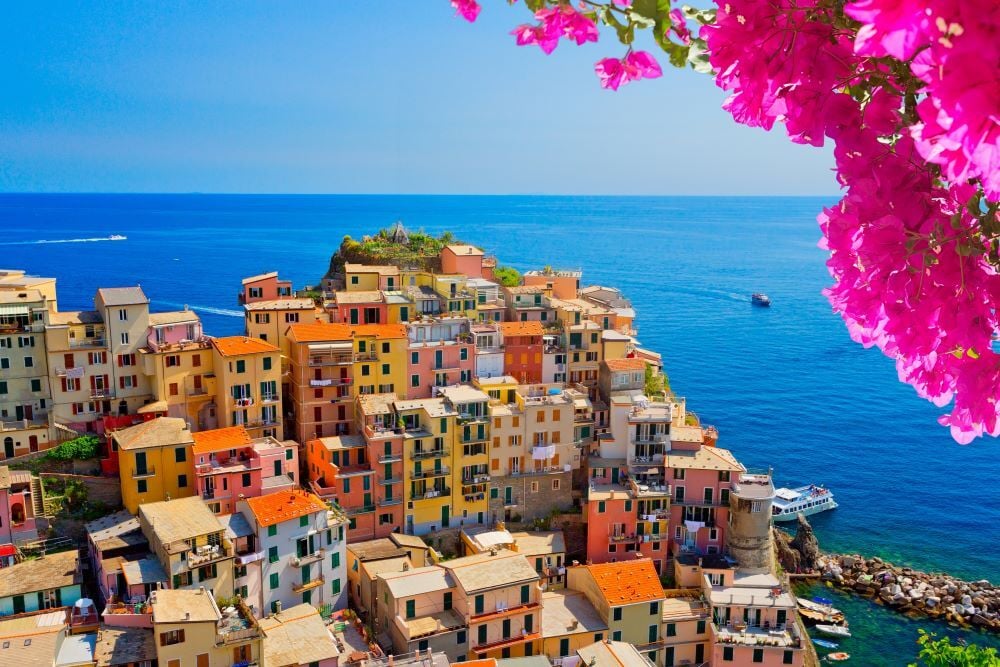
An improbably picturesque coastline, Liguria has been dubbed the “Italian Riviera” at various points thanks to the beautiful port towns of Portofino, Santa Margherita and Cestri Levante. One can watch boats bob gently in the harbours of this rugged, pine-dotted seascape from the border of France to the city of La Spezia that neighbours Tuscany. Exquisite as the setting is, one of the cornerstones of this region is undoubtedly the food. Ligurian specialities often involve seafood, but this is the birthplace of pesto, where local pine nuts, basil and olive oil can be sold for eyebrow-raising sums from high-end organic farms. Focaccia bread is a regional obsession, with some of the country’s best-known and most delicious varieties originating from here.
The twin jewels in the crown of this definitely delicious region are the chief city of Genoa and the stunning national park of Cinque Terre. Genoa is one of Italy’s most under-appreciated cities, yet also one of its most historically diverse and important outside of Rome and Venice. Cinque Terre is a hiking paradise, with the brightly coloured houses of its five key villages among the most widely photographed locations in Italy. One of the best places in Italy to visit for stunning coves and beaches, and a prime destination for food-lovers.
Campania
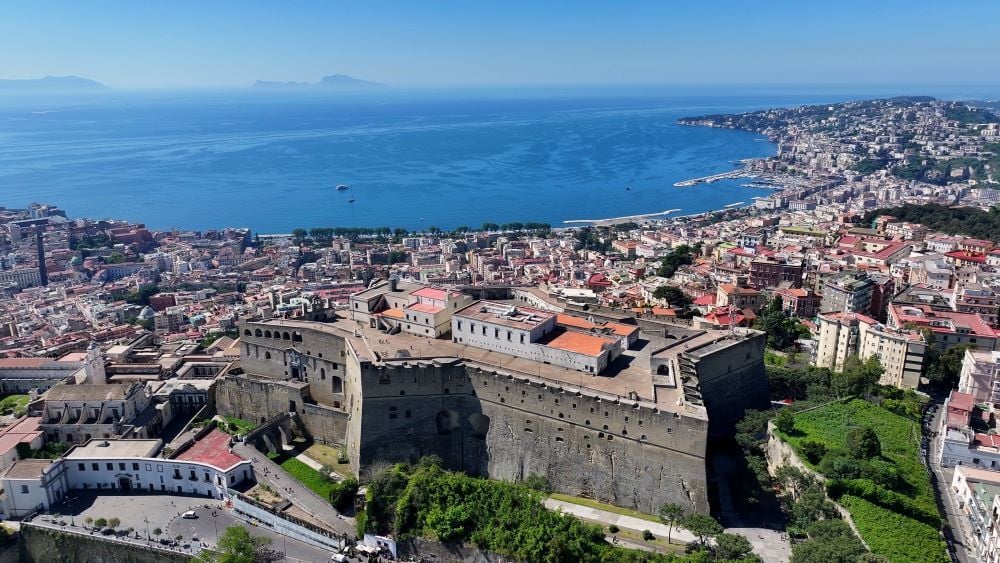
Nowhere outside of Rome is so much incredible ancient history so easily viewable as in Campania. This southern region is easily in the top contention for the best places to visit in Italy for historical sites, incredible natural wonders, and gorgeous coastline. Pompeii, Herculaneum, and Paestum are all examples of the most well-preserved and accessible ruins of the ancient world. The former two were destroyed with the eruption of Mount Vesuvius, a still very much active volcano whose imposing figure dominates the landscape for miles around. The ancient city of Naples is sandwiched between Vesuvius and the Campi Flegrei, a volcanic plateau that poses a considerable risk to residents of the area in the future due to its continuous volcanic activity.
Naples, however, remains unperturbed by such things and continues to flourish as one of Italy’s most unique and fascinating cities with an enviable food culture. The island of Ischia, across the bay from the city, is a naturally occurring geothermal spa, with multiple hot spring sources and even a beach where it’s possible to cook on the sand. Its neighbour across the water, Capri, has been a playground for the affluent since the heyday of the Roman Empire, and is the key to unlocking the sublime Amalfi coast, which continues all the way down to the Medieval city of Salerno. Campania is among the most easily revisited locations in a country which already has them in considerable supply.
Tuscany
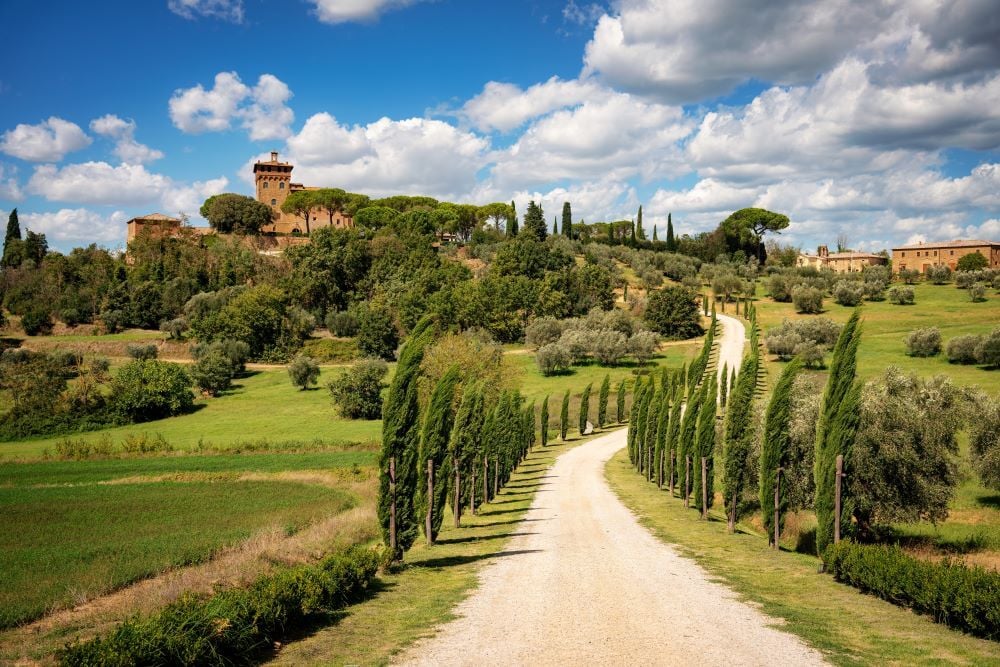
Arguably, the most celebrated wine region in Italy and one of the leading examples of the effects of the Renaissance. Wealthy cities like Florence, Siena and Pisa helped define the image of the region through incredible architectural endeavours. Pisa’s Leaning Tower, Florence’s Duomo and Siena’s Piazza del Campo are all marvels of medieval ingenuity and bear witness to the prestige these cities had at the height of the Middle Ages. For art lovers, Florence has some of Italy’s greatest treasures within the confines of its signature gallery, The Uffizi. Works from Leonardo da Vinci to Botticelli are taken on an almost holy position here, treated as relics of the most celebrated period for art in history, with visitors taking a pilgrimage from all over the world to admire them.
Rich is an understatement to describe Tuscany, particularly in the aforementioned wine varietals that can be found on vines across the entirety of the region, and in the hearty, rustic cuisine Tuscany is equally famous for. Whilst the rolling hills and towers of historic settlements like San Gimignano have captured the attention of visiting artists and photographers for centuries, Tuscany’s coastline flies under the radar at times due to the allure of its central cities and countryside. Of particular note is the beautiful island of Elba, perhaps most famous for being the first place of exile for Napoleon, who later escaped his confinement there to return to Europe and wage war once again.
Lazio
The country’s capital dominates the region, but Lazio has a lot to offer outside of the confines of Rome’s vast metropolis. Whilst the eternal city is famous the world over for critical historical sites such as The Colosseum, The Vatican and Sistine Chapel, the Pantheon and Trevi Fountain, to name but a few, Rome is far more than just its monuments. As one of the world’s oldest cities, life has evolved here at different paces since the fall of the empire, yet it remains extraordinary in every sense. No city in Europe was able to match its sheer size and intensity for more than 1000 years. Every single street corner represents the evolution of millennia of town planning, art, innovation and events that shaped history.
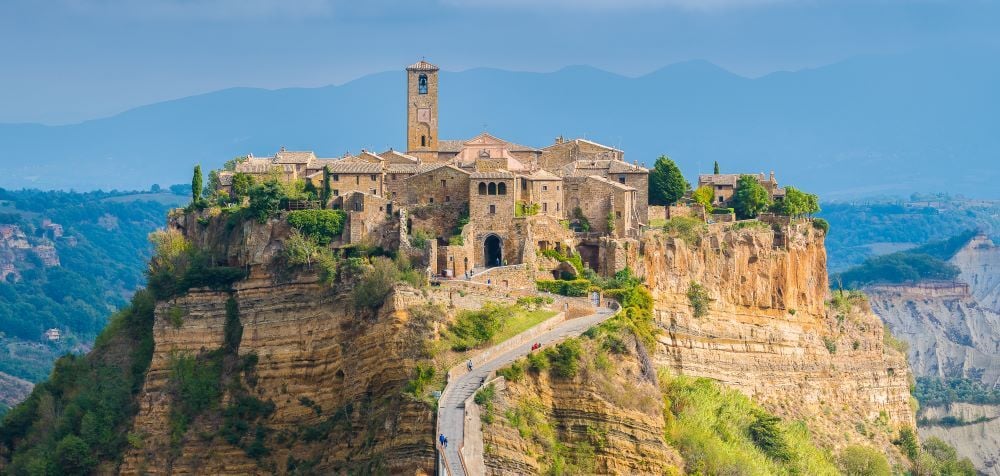
Taking a break from the capital to explore the countryside surrounding it, day trips from Rome are incredibly rewarding to explore more of the Lazio region. The town of Tivoli boasts two incredible villas, one the former property of Emperor Hadrian, and the other a sublime example of Renaissance landscaping. Civita di Bagnoregio, also known as “the dying city”, is a precariously perched medieval village on a cliff face that’s only accessible via a narrow footbridge and has stunning views of the surrounding area. Another intriguing addition is the Pope’s summer residence of Castel Gandolfo, which overlooks the beautiful Lake Albano and is open to the public. Lazio remains one of the very best places to visit in Italy for a list that would read as long as a Roman legion.
Sicily
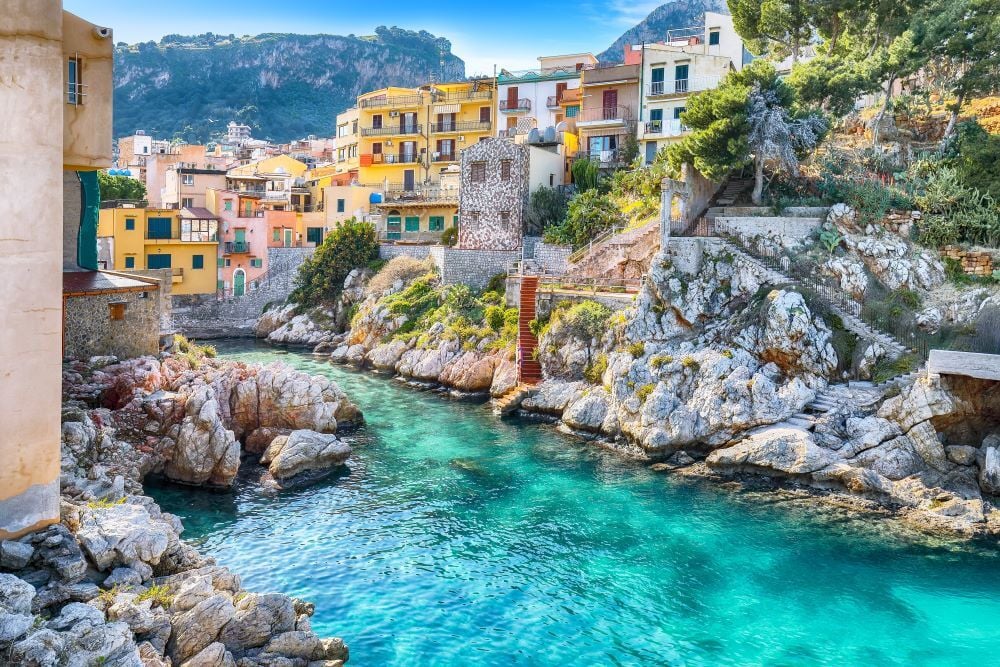
To the furthest south of the Italian Peninsula and across the narrow sea lies Sicily, one of the world’s most fascinating islands. Volcanic by nature, Mount Etna has erupted multiple times over the last few thousand years, bringing devastation to the island on more than a few occasions, although in more recent years, the spectacle is relatively harmless and draws thousands of visitors a year. So toned down is the reputation of Etna now that it’s even possible to ski on the mountain during winter, with its own resort now located on the slopes. Etna very much serves as a metaphor for Sicily’s past struggles – continuously adapting to ever-changing circumstances and reforging its identity in the modern world.
Once one of the country’s poorest regions, Sicily may have stagnated economically for centuries, but its wealth is in the bounty of historic sites, pristine coastal locations, and rampant food and wine culture. The Ballarò and Capo markets of Palermo solidify the city’s status as the street food capital of Sicily. Taormina’s stunning hilltop location and ancient theatre that overlooks Mount Etna is one of the island’s most romantic vistas. The Valley of the Temples enshrines the island’s pre-Roman heritage with some of the most famous Greek temples in the world. Sicily has so much to offer visitors with its unique blend of Ancient Greek, Carthaginian and Roman heritage, aligned with influences from the Norman, Arabic and Italian Renaissance periods, which shaped its destiny.