

Published: 27 April 2026
Southwark is a place where medieval streets and Victorian homes are within walking distance of some of London’s most recognisable landmarks. Historically, Southwark has always been London’s slightly unruly borough. It became a place for entertainment and industry that were not always welcome within the medieval walls, with its theatres, markets, and taverns.
Today it is home to around 310,000 residents and includes districts such as Bermondsey, Peckham, Camberwell and Dulwich. The borough is south of the Thames and within easy reach of both the city and the West End, and for those considering Southwark as a place to live, five locations consistently stand out. From the culture of Bankside to the southern suburbs, Southwark offers a remarkable range of places to live.
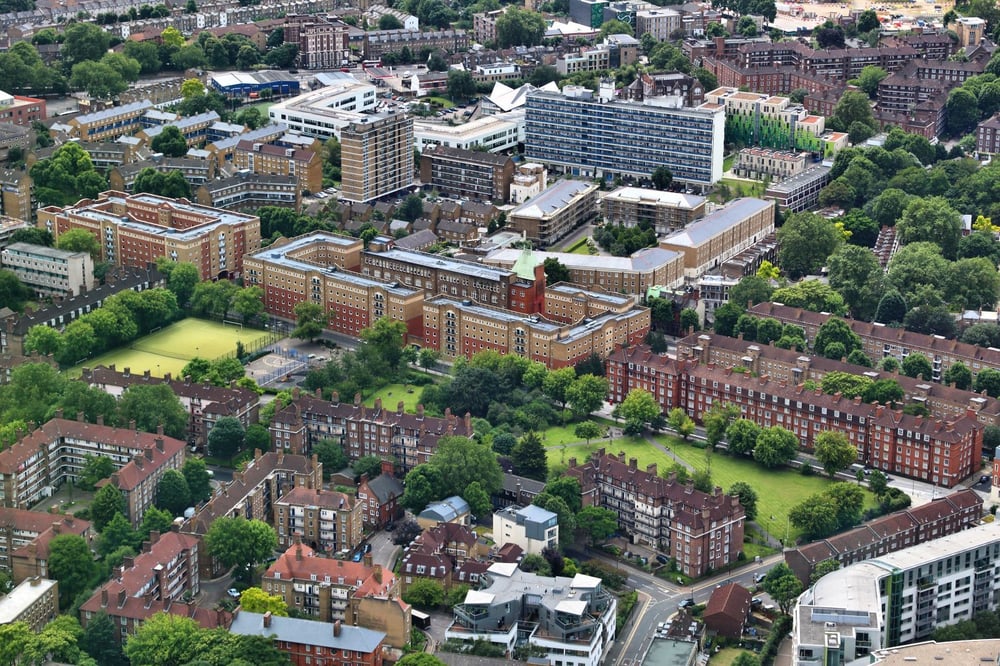
Bankside & Borough
Bankside and Borough represent the cultural heart of Southwark and perhaps one of the most dynamic urban environments anywhere in London. This area places residents in the middle of some of the city’s most cultural institutions and historic landmarks, and living here means that world-class art exhibitions and theatre performances can be part of everyday life. From the glass peak of The Shard at London Bridge to the imposing former power station that houses the Tate Modern, the skyline in Bankside is dominated by striking architecture.
Summer evenings often see theatre-goers meeting along the Thames before performances, meanwhile, with origins dating back centuries, Borough Market is a gathering point for artisanal producers, independent traders and some of the city’s best street food. Residents benefit from easy access to fresh produce, interesting ingredients and an ever-changing selection of international cuisine.
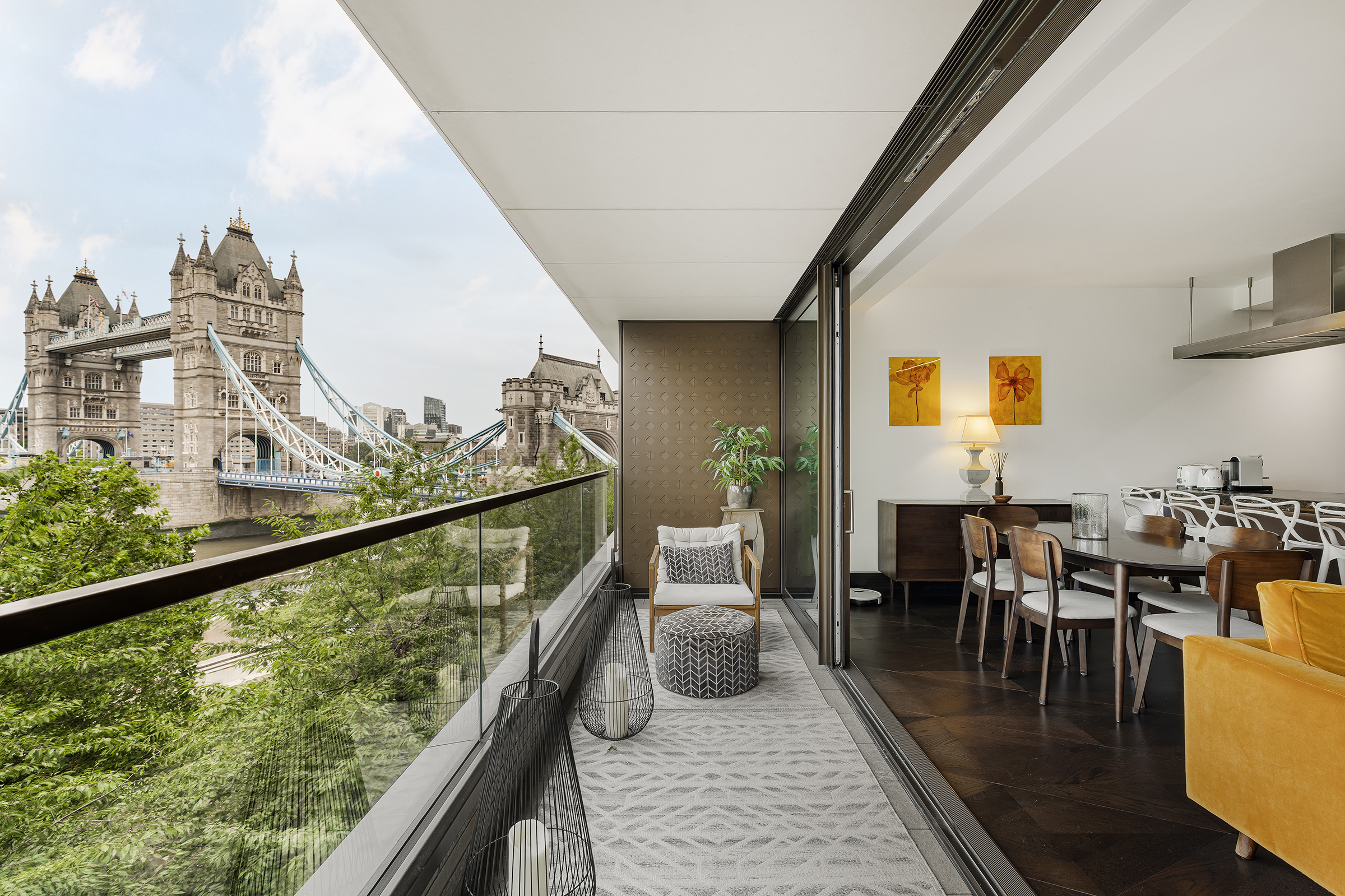
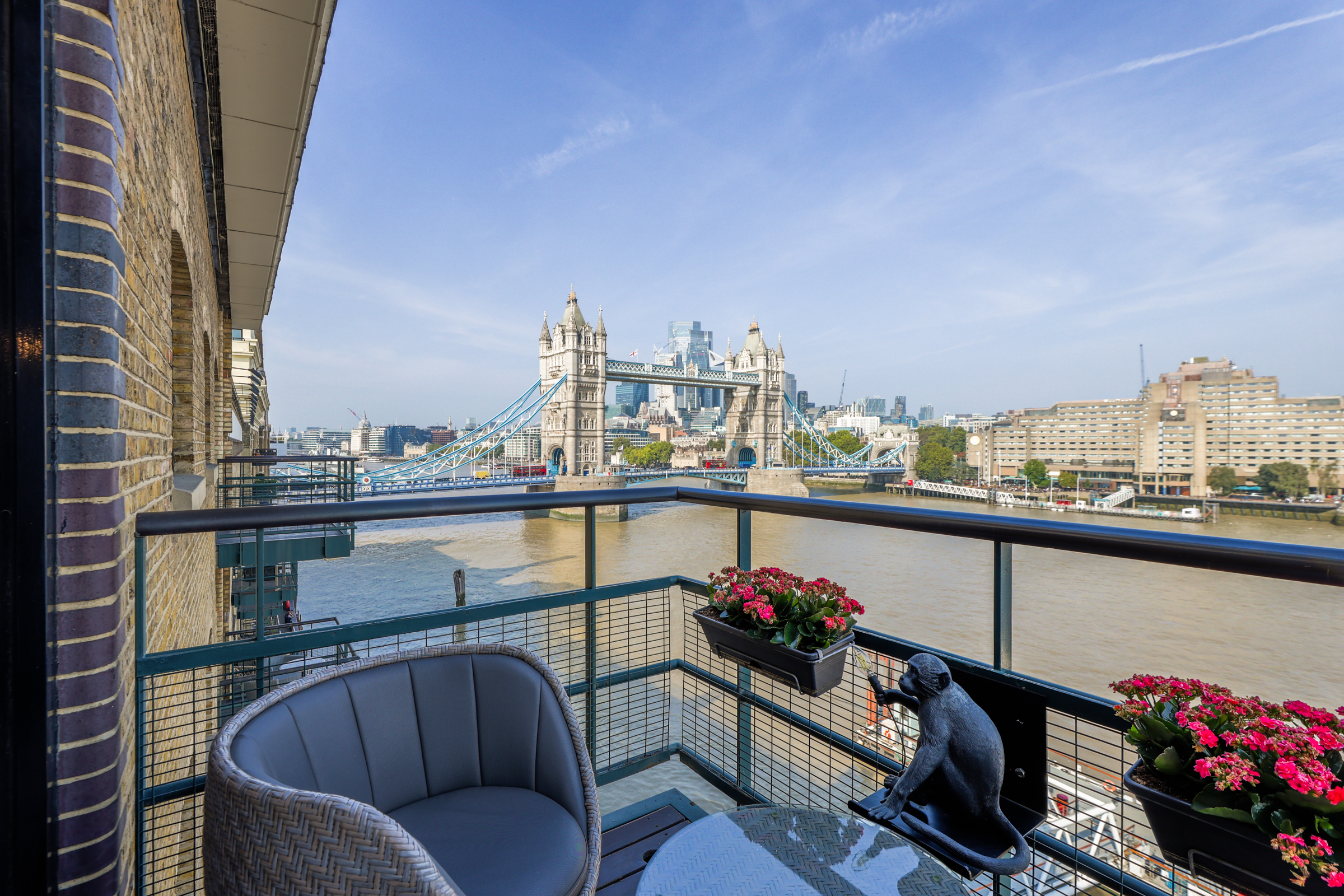
Despite its reputation as a destination for visitors, Georgian townhouses can be found just behind the lively streets, alongside newer residential developments and warehouse conversions looking out across the Thames. With morning runs beside the river, evening walks past lit-up landmarks and straightforward bridge access to north London, life in Bankside and Borough keeps cultural London firmly on one’s doorstep.
Bermondsey
Bermondsey has undergone one of the vastest transformations in South London over the past two decades. Historically an industrial quarter associated with the docks, leather trade and warehouses along the Thames, the area has reinvented itself into one of Southwark’s most vibrant districts.
In the heart of the neighbourhood is the central yet village-like Bermondsey Street, home to independent bakeries, long-standing delis and modern dining spots. One of London’s most internationally recognised galleries, The White Cube gallery, regularly brings in visitors from the global art world. At weekends, residents head to the nearby Maltby Street Market. Found beneath the Victorian railway arches, the market focusses on small producers and street food vendors, and living nearby means Saturday mornings can be spent browsing stalls selling everything from handmade jewellery and artisanal cheeses, to homemade desserts.
Bermondsey’s architecture continues to show its industrial roots. Former warehouses and factories have been converted into loft apartments, whilst modern developments have emerged along the Thames. The Thames Path provides scenic walking routes towards Tower Bridge or Rotherhithe, making it convenient for residents to enjoy the outdoors without leaving the city centre. With London Bridge station within walking distance and the Jubilee line nearby, connectivity is excellent, allowing the area itself to remain historic, creative, but central.
East Dulwich
Whilst areas closer to the river offer cultural landmarks, East Dulwich is known for its family homes and slower pace of life. It has long been one of South London’s most popular residential neighbourhoods, particularly amongst professionals and young families seeking city living and green space.
The heart of East Dulwich is Lordship Lane, a lively high street dominated by independent cafés, bakeries, butchers, bookshops and boutiques. The lane has a few historical quirks that add to its character including the handsomely striking Dulwich Library, opened in November 1897, which remains a fixture on the street. Earlier that same year, on 11th August, the lane also welcomed a future literary resident, Enid Blyton, who was born in a flat above one of the local shops. One of South London’s most attractive parks, Dulwich Park includes a boating lake, tennis courts and cycle tracks, whilst just to the north lies Peckham Rye Park and Common, a large open area offering woodland walks, horse riding and jogging tracks.
Housing in East Dulwich is largely made up of Victorian and Edwardian terraces, many with good proportions and large gardens. Streets such as Melbourne Grove and North Cross Road are particularly sought after, offering a quiet community within walking distance of the area’s shops and cafés. Whilst East Dulwich has a neighbourhood feel, transport connections remain strong. Rail services from nearby stations connect residents to London Bridge in under fifteen minutes, making the area an appealing option for commuters who want more space without leaving inner London. East Dulwich represents the ideal middle ground. It’s a lively local community with immediate access to green space and a quick commute to central London.