

Published: 10 October 2025
The United Kingdom has long been a safe haven for global capital and strong returns on investment. Even amidst economic headwinds and geopolitical uncertainty, the market has consistently shrugged off turbulence with admirable resilience. Much of this is owed to Britain's enduring lifestyle and financial appeal, which continues to draw discerning investors to its property market and cement its status as one of the world's most resilient stores of wealth.
Below, our curated selection of the most promising places to invest in property across the United Kingdom in 2026.
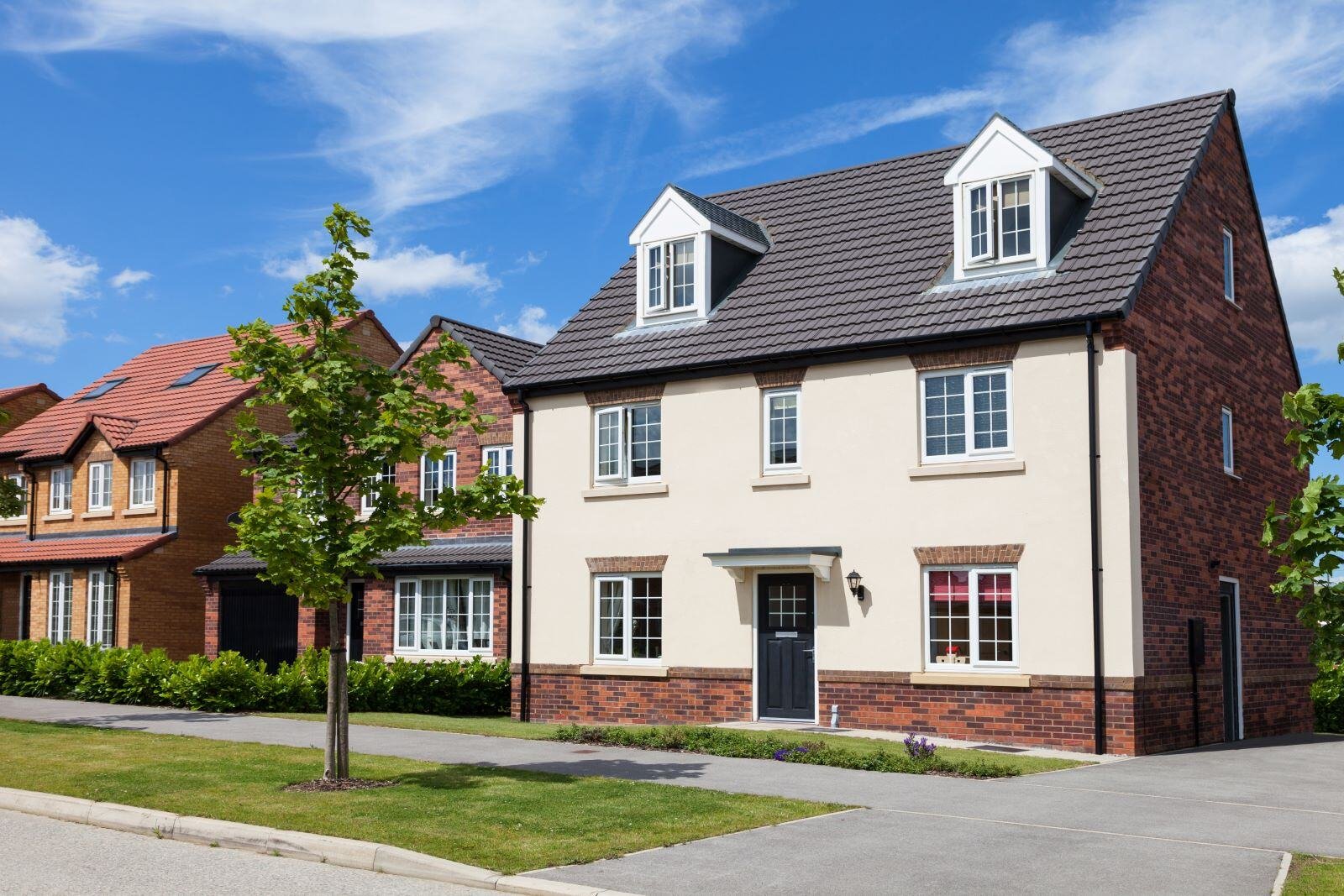
Prime Central London | Mayfair, Belgravia, Knightsbridge, St John's Wood
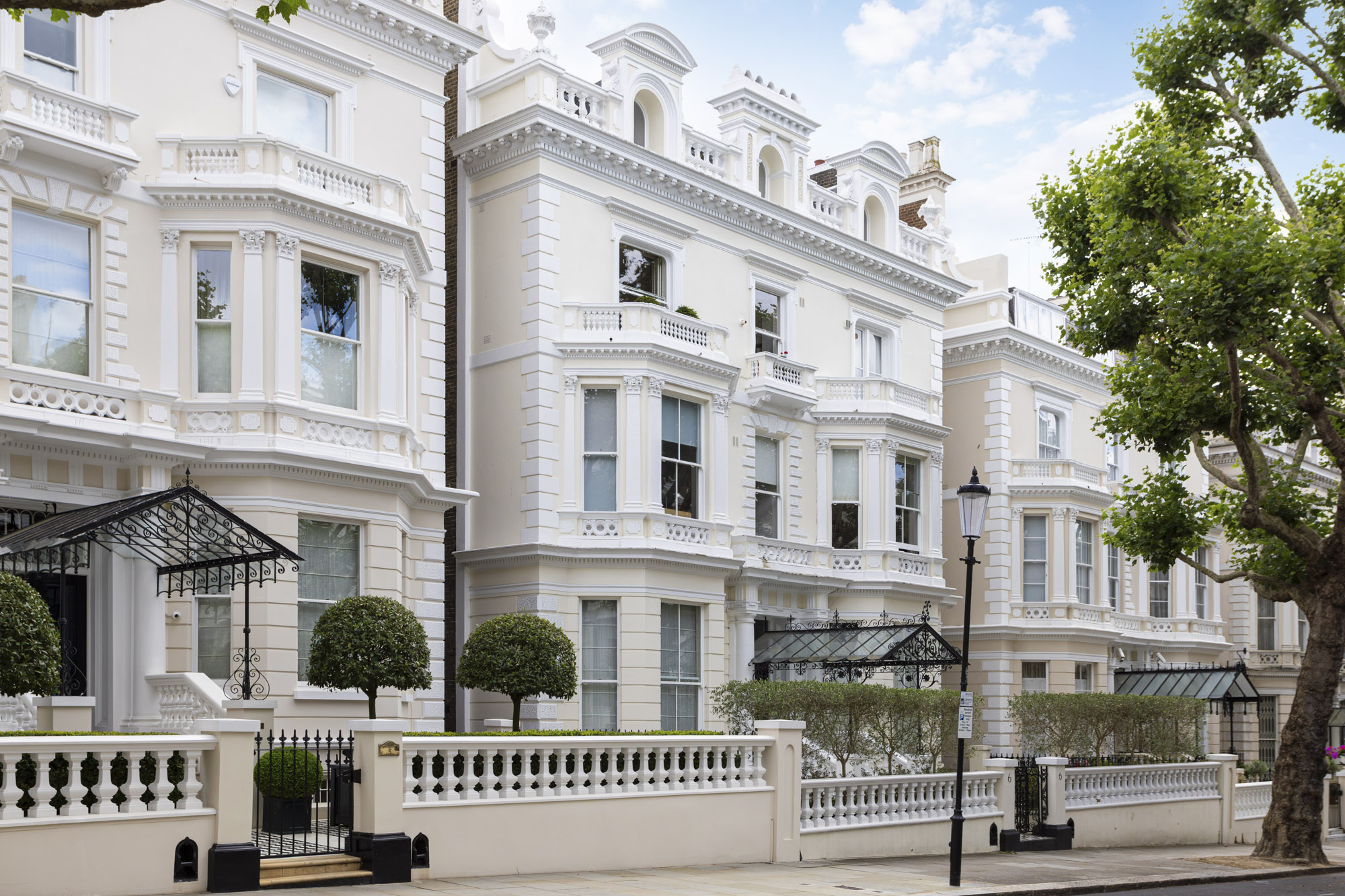
Prime Central London remains the cornerstone of any serious UK property portfolio. It has long attracted an international buyer base, drawn by the capital's rare combination of political stability, legal transparency, and cultural significance. This demand is most evident in trophy assets, branded residences, and concierge-led developments. What makes the market particularly compelling today is the recalibration seen over the past decade, creating a rare window of opportunity for informed buyers in one of the world's most established luxury markets.
That strength is borne out in who is actually buying. Beauchamp Estates reports that American and Gulf buyers now account for 50 per cent of Prime Central London sales overall, a figure that rises to 75 per cent in Mayfair specifically. Within that, US nationals represent 30 per cent of all Prime Central London transactions above £5 million, climbing to 50 per cent in Mayfair, where American tech and private equity professionals have been particularly active. Beauchamp now estimates the neighbourhood is home to over 165 fintech companies and 200 private equity firms. Gulf families, principally from the UAE, Saudi Arabia, Qatar, and Kuwait, account for a further 25 per cent of Mayfair sales, with budgets ranging from £10 million to well above £100 million.
UK Sotheby's International Realty reported that Prime Central London dominated its 2025 portfolio activity, with Mayfair leading at £172.2 million in sales, followed by Belgravia at £140.6 million and Knightsbridge at £135.8 million. Rental demand has remained equally buoyant, with LonRes and Rightmove reporting prime rents up 5 to 8 per cent year-on-year. At £1,800 to £4,000 per square foot and yields of 2.5 to 3.5 per cent, the fundamentals remain institutional-grade.
Also Read: Best Places to Live In Manchester
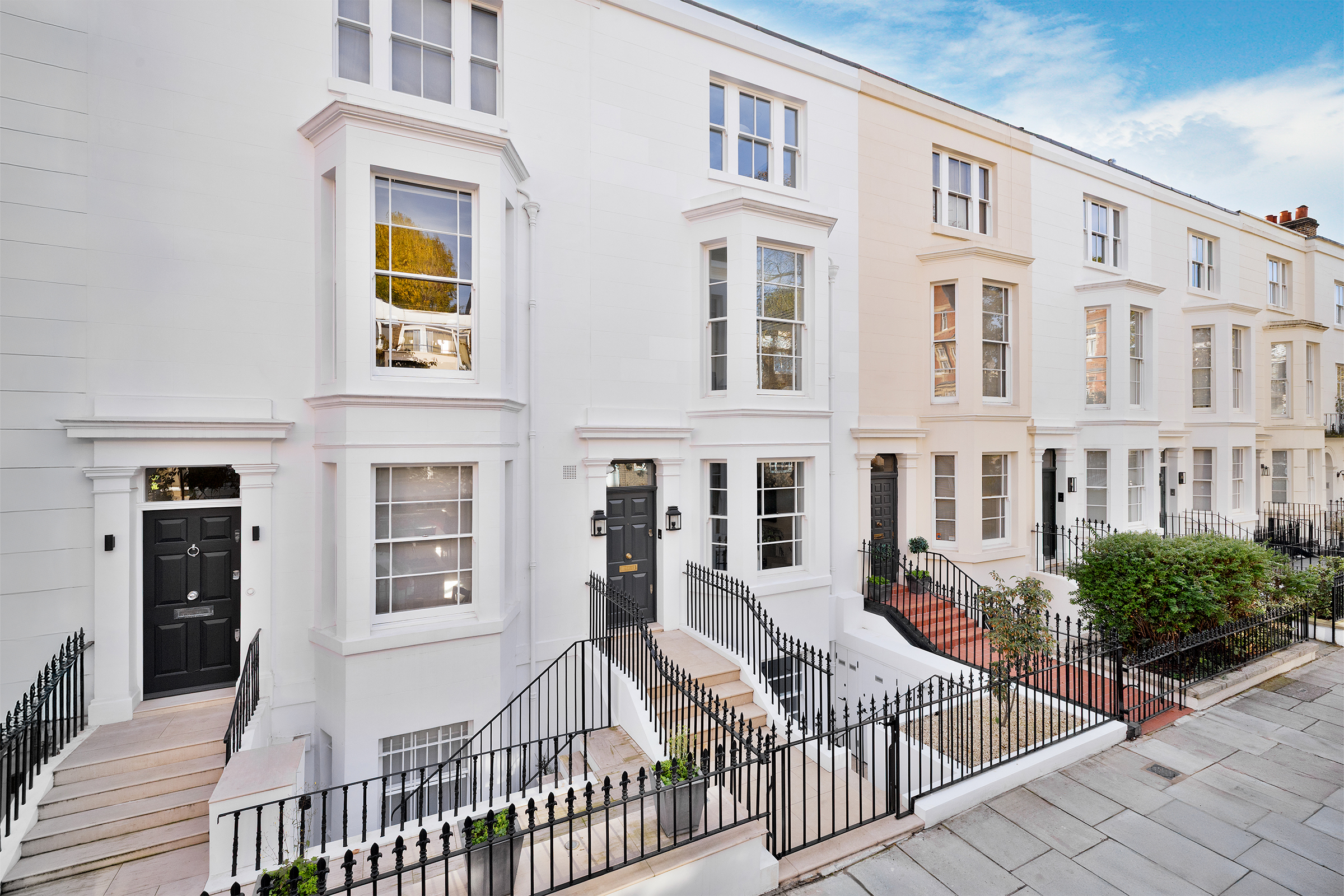
South-West London | Wimbledon, Richmond, Barnes, Putney, Wandsworth, Fulham
South-West London occupies a distinct position in the capital's property landscape, one that appeals less to the trophy-asset buyer and more to the dedicated family seeking a long-term base. Wimbledon, Richmond, Barnes, Putney, Wandsworth, and Fulham collectively offer an unusually rare combination within Greater London: sprawling green spaces, reputed private schools, and village-like high streets. It is a formula that has sustained steady demand from both domestic and international families, even as supply has remained notably constrained.
That imbalance between demand and available stock underpins the investment case. According to LonRes, available stock sits roughly 15 to 20 per cent below pre-2020 levels, a structural tightness that continues to support prices. Savills and Rightmove place values at £1,200 to £2,000 per square foot, with yields of 3 to 4 percent, while Zoopla's House Price Index points to steady annual growth of 2 to 4 percent. For investors seeking reliable, income-generating assets in a supply-constrained market, South-West London offers a strong, if understated, proposition.
Also Read: Where to Live in Birmingham
The Cotswolds | Kingham, Chipping Norton, Burford
Few regions in the UK have undergone as consequential a repositioning as the Cotswolds. Long favoured as a second-home destination for ultra-high-net-worth buyers, the area has matured into a primary residence market, attracting a more committed buyer base whose appetite has proven largely immune to broader economic headwinds. Serious buyer activity clusters around the triangle formed by Burford, Stow-on-the-Wold, and Chipping Norton, though demand has steadily pushed into the surrounding villages as supply in the core locations tightens.
Burford's status as the region's most recognisable entry point has kept values at a persistent premium, while Chipping Norton has drawn a growing number of high-profile buyers, lending it an international cachet it has not historically commanded. North American buyers in particular have become a notable presence at the upper end.
The numbers reflect a market settling into a more sustainable rhythm after an exceptional post-pandemic run, with activity anchored around the strongest locations and best-in-class stock. Leading estate agencies report values of £800 to £1,500 per square foot, with prime homes transacting between £2 million and £10 million and above. Short-let yields of 4 to 7 percent speak to strong lifestyle demand, while forecasts point to annual growth of 3 to 6 percent. For buyers seeking country assets with long-term credentials, the Cotswolds remains the benchmark.
Also Read: Is Liverpool a Good Place to Live
Oxford & Cambridge | Summertown, North Oxford, Grantchester, Trumpington
Oxford and Cambridge occupy a category of their own within the UK's regional property market, anchored by their position within the Golden Triangle: the high-growth economic corridor linking London, Oxford, and Cambridge. Widely regarded as the UK's most powerful knowledge and innovation cluster, it is home to three of the world's leading universities, a dense network of science parks, and a critical mass of venture capital, biotech, AI, and life sciences companies. The corridor accounts for roughly 4 per cent of the UK's life sciences activity and attracts billions in annual venture capital funding, with Cambridge alone among the highest recipients in Europe.
For property investors, the implications are structural. A high-income tenant base of researchers, executives, and international talent drives sustained demand for prime rentals, while chronic housing undersupply, particularly acute in Oxford and Cambridge, where planning constraints limit delivery, keeps the market tight. The region routinely outperforms the UK average in employment growth, and institutional investment in science and innovation infrastructure continues to underpin long-term population growth.
Values of £700 to £1,200 per square foot reflect the premium attached to well-positioned homes in both cities, with yields of 3 to 4.5 per cent underpinned by a rental market that rarely softens. Annual price growth is forecast at about 3 per cent, a trajectory supported by a certainty that this economy shows little sign of slowing.
Also Read: Best Areas to Live In Glasgow
Pockets of the Home Counties | Ascot, Virginia Water, Wentworth Estate
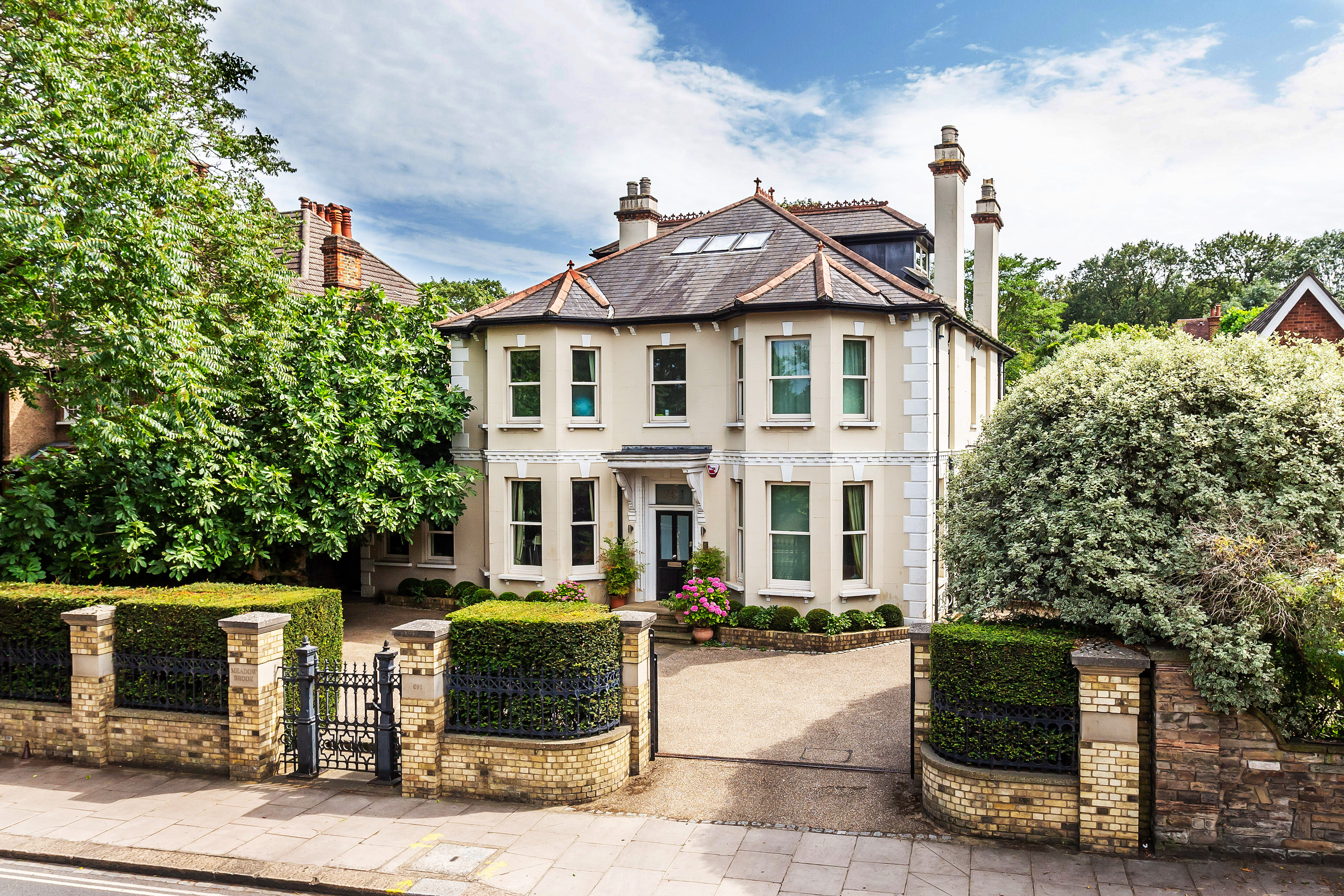
Ascot, Virginia Water, and the Wentworth Estate are all defined by gated communities, expansive plots, and built-in security infrastructure – features Knight Frank's 2025 Wealth Report identifies as the defining characteristics of the area. Ascot carries the added pull of racing heritage and a steady calendar of social events, while Virginia Water and Wentworth lean further into residential privacy, with large plots set along private roads. Wentworth is particularly exclusive, home to some of the world's finest golf courses. That combination has held demand firmly in place among international ultra-high-net-worth buyers, even as supply at the very top has remained limited.
Savills' Country & Private Office data places typical values between £3 million and £15 million, with trophy homes reaching £20 million and above, according to Knight Frank. Yields of 2 to 3 per cent, per Savills' Yield Guide, reflect a market where capital preservation and lifestyle take precedence over rental income. For buyers prioritising privacy, security, and substantial grounds within reach of London, Ascot, Virginia Water, and Wentworth rank among the strongest options the Home Counties have to offer.
Also Read: Best Areas To Live in Leeds
Final Thoughts
Across each of these markets, a single thread emerges: scarcity continues to define value at the prime end of UK property. From the trophy assets of Prime Central London to the gated estates of Wentworth, demand at the top end continues to outpace the finest stock, which remains tightly held.
Yet scarcity alone does not explain the resilience of these markets. It is the strength of the lifestyle on offer, paired with the quality of the stock itself, that has earned the confidence of astute investors regardless of wider economic conditions. Schools, green space, and security carry as much weight as the numbers, and it is this combination that continues to drive demand even when broader sentiment shifts.
That dynamic is unlikely to change in 2026. International capital remains committed to the UK as a stable and transparent destination, where lifestyle and long-term value go hand in hand.