

Published: 21 May 2026
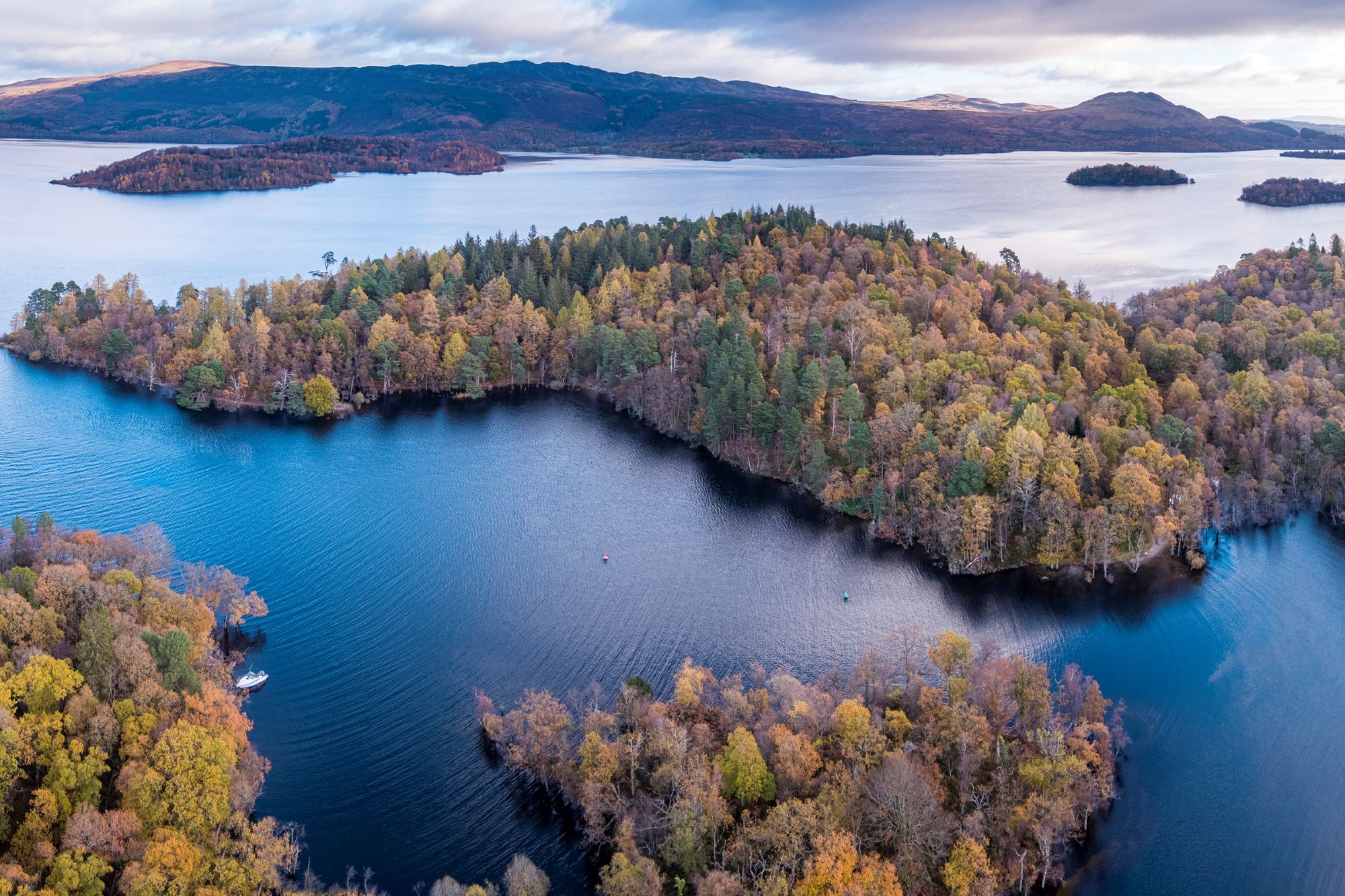
Part of the timeless appeal of living in the UK lies in a deep-rooted connection to its rural landscapes. The best countryside to live in the UK is no single place or region, as the sheer variety of options throughout England, Wales, Scotland and Northern Ireland will hold both individual and universal appeal.
Whether being captivated by the dark peaks of the Yorkshire Dales, the rolling chalky cliff of the South Downs, or the abundant forest and fields of the Cotswolds, Britain has much to offer land lovers seeking a break from the city. The following options definitely point the way towards the best countryside to live in the UK.
The Cotswolds
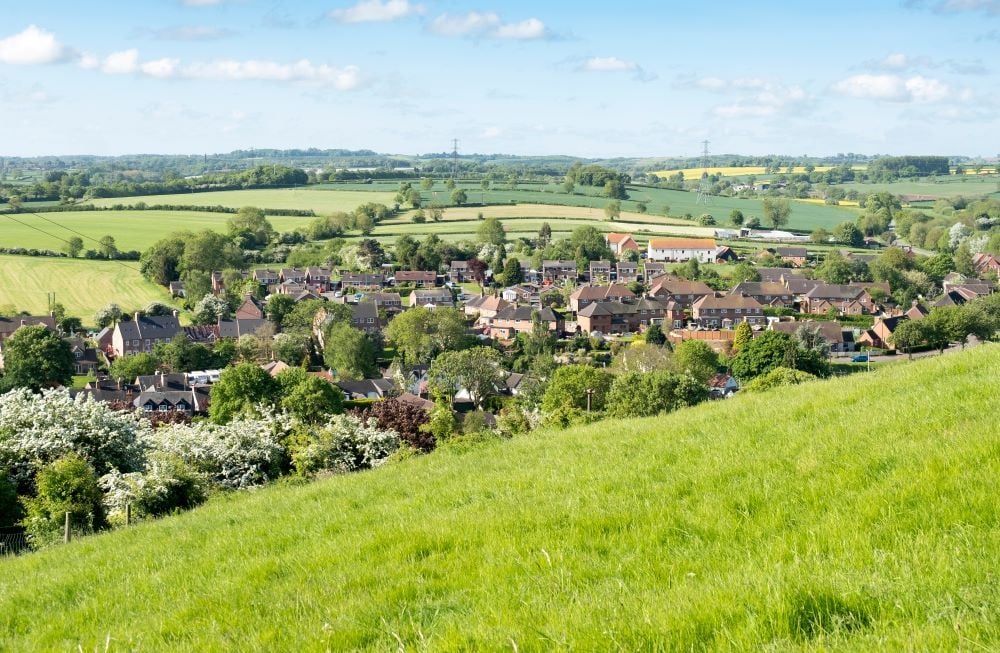
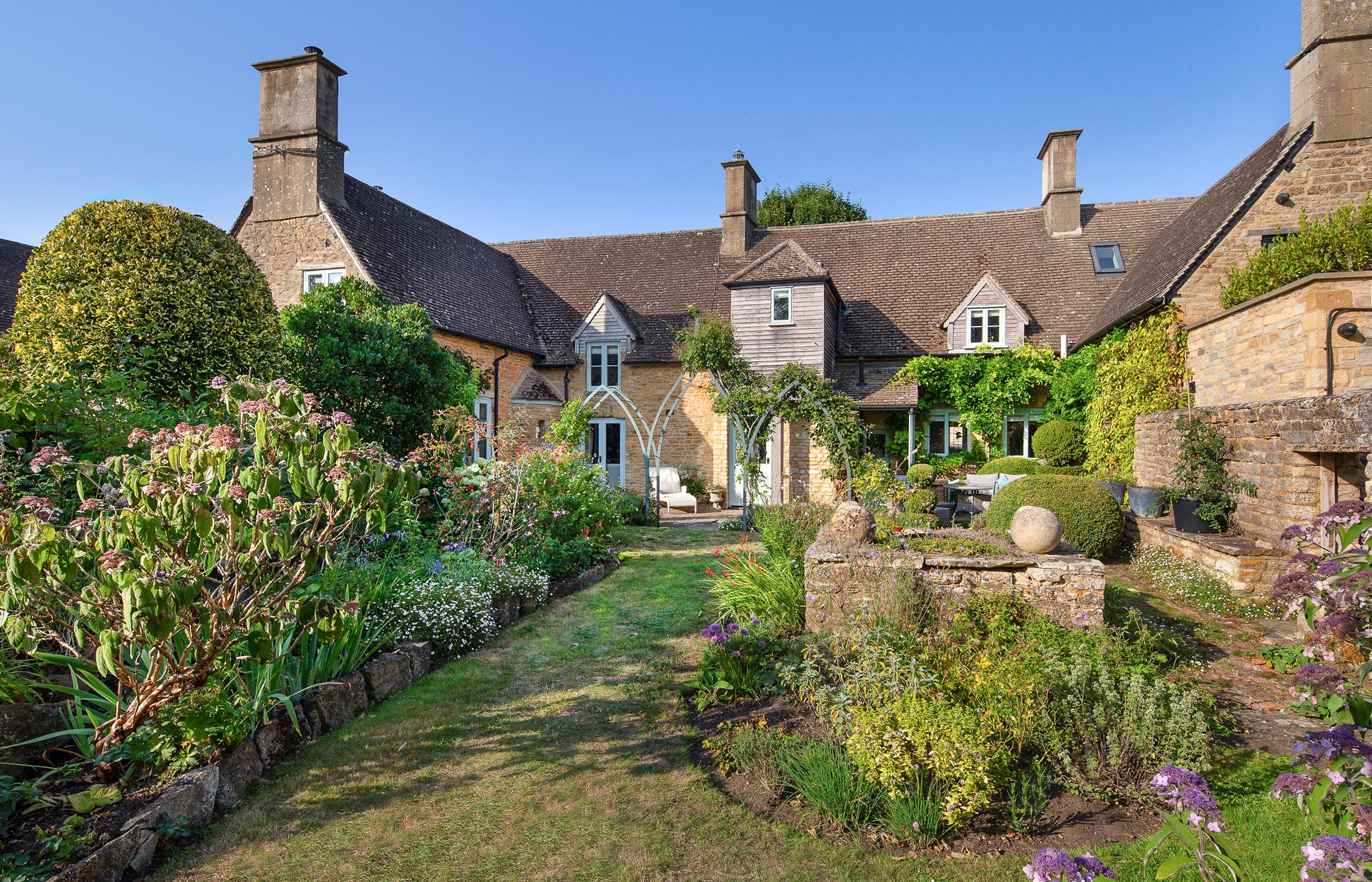
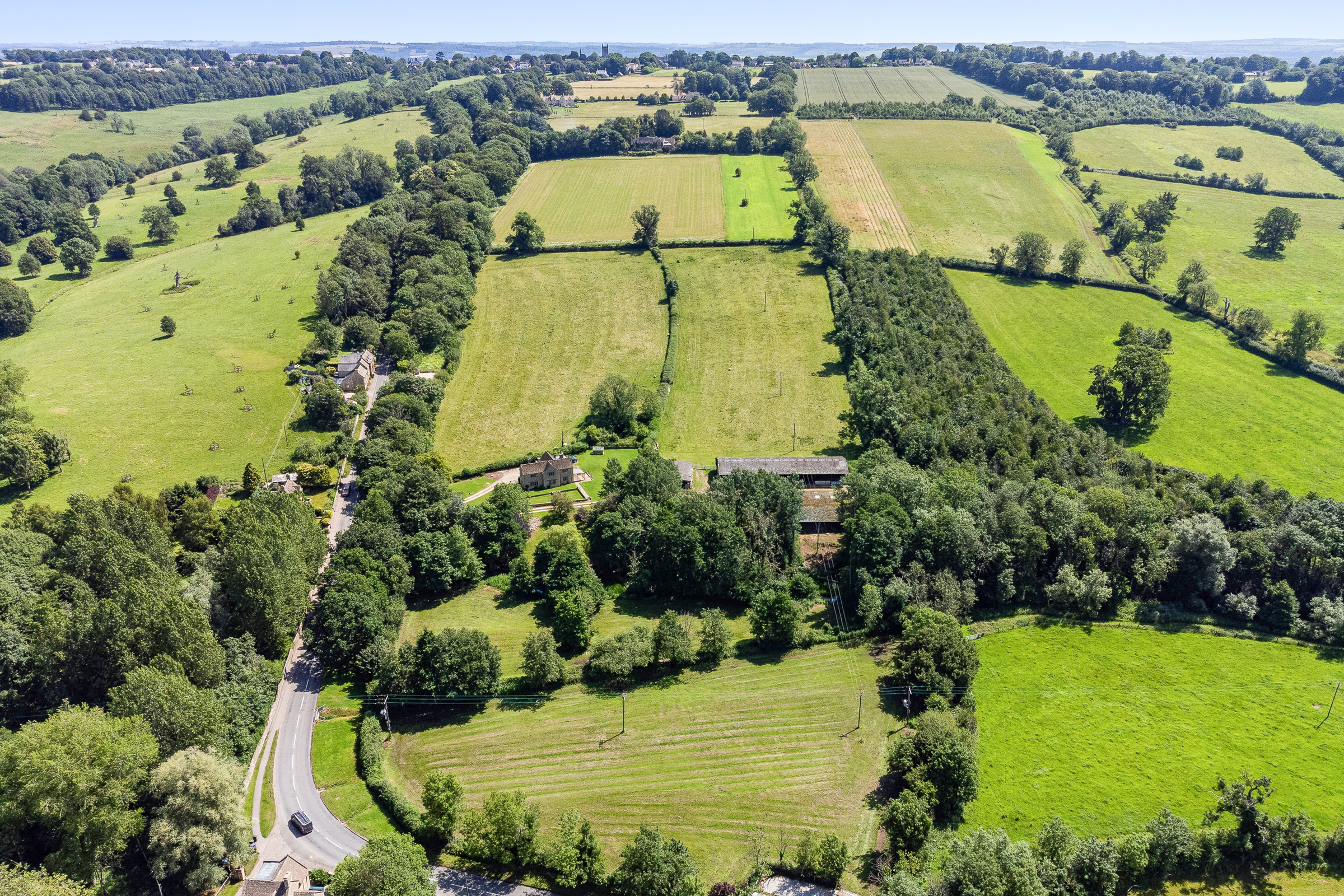
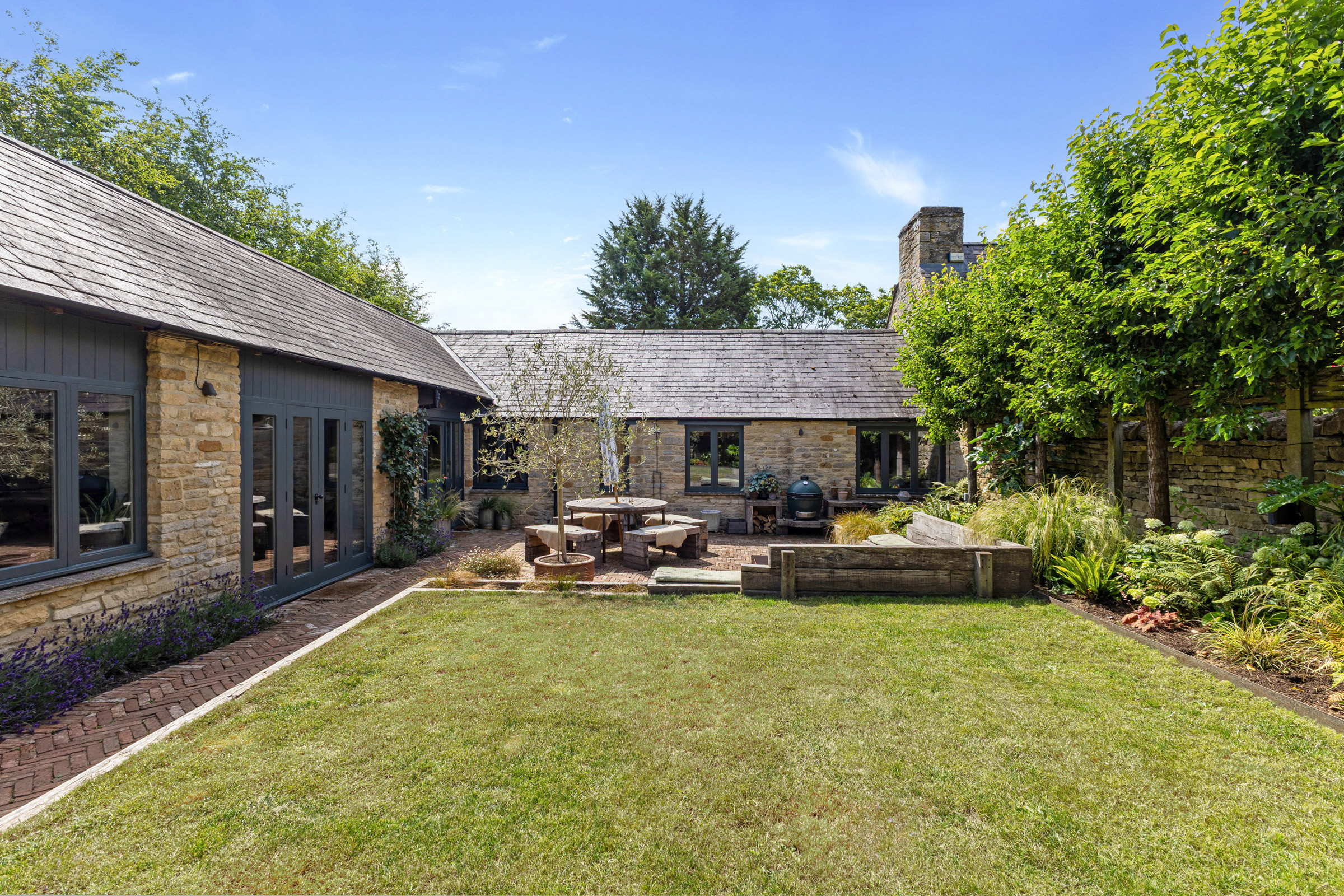
Stretching across Gloucestershire, Oxfordshire, and parts of Wiltshire, the Cotswolds remain one of the best countryside locations to live in the UK, thanks to its undiluted setting. Its defining feature is the honey-coloured limestone used to build villages such as Stow-on-the-Wold and Bourton-on-the-Water, where period cottages and manor houses have been preserved with strict planning controls for centuries. The Cotswolds’ designation as an Area of Outstanding Natural Beauty has limited large-scale development and so preserved the charm and character of the region, making it all the more appealing for those who enjoy the peace of the countryside.
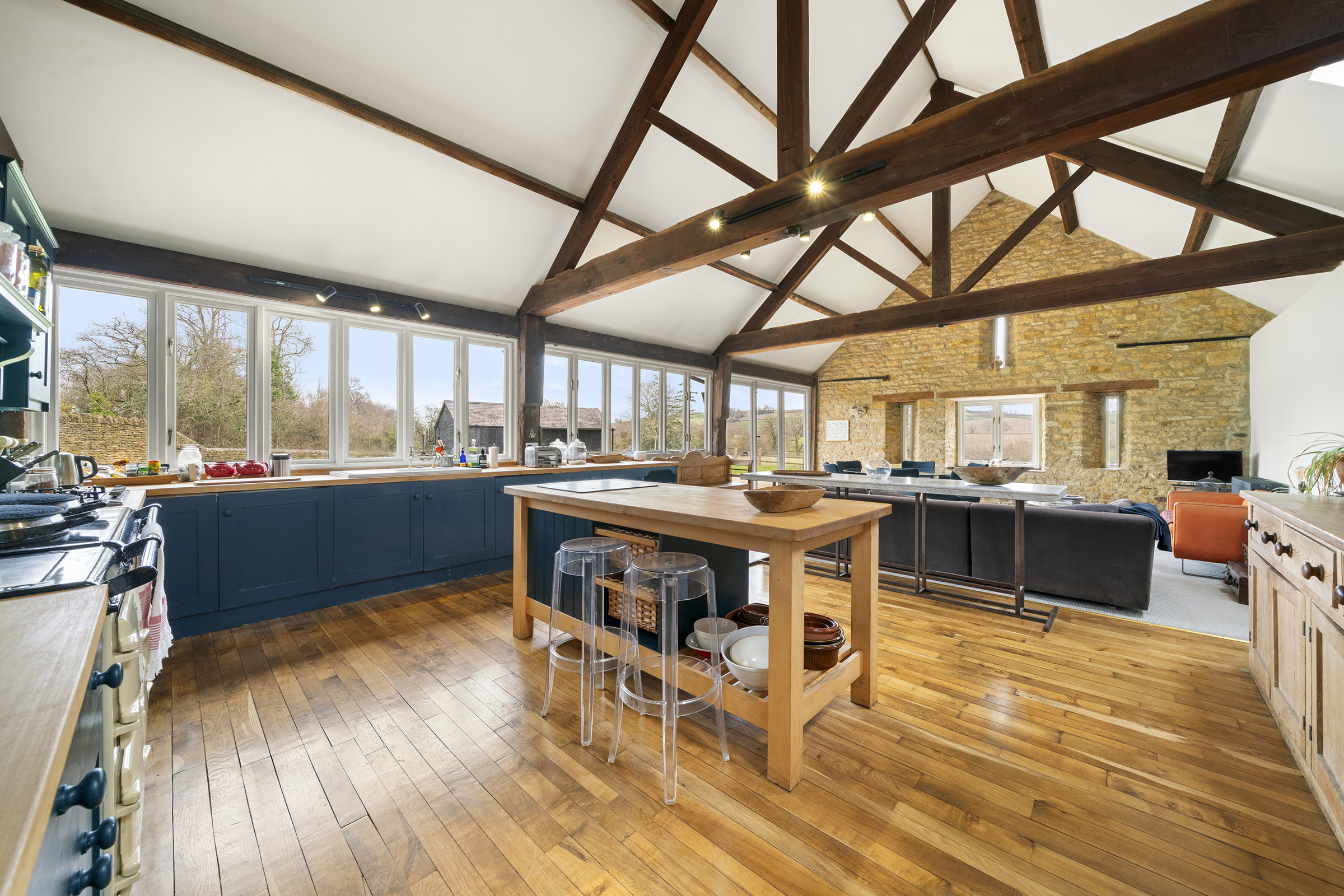
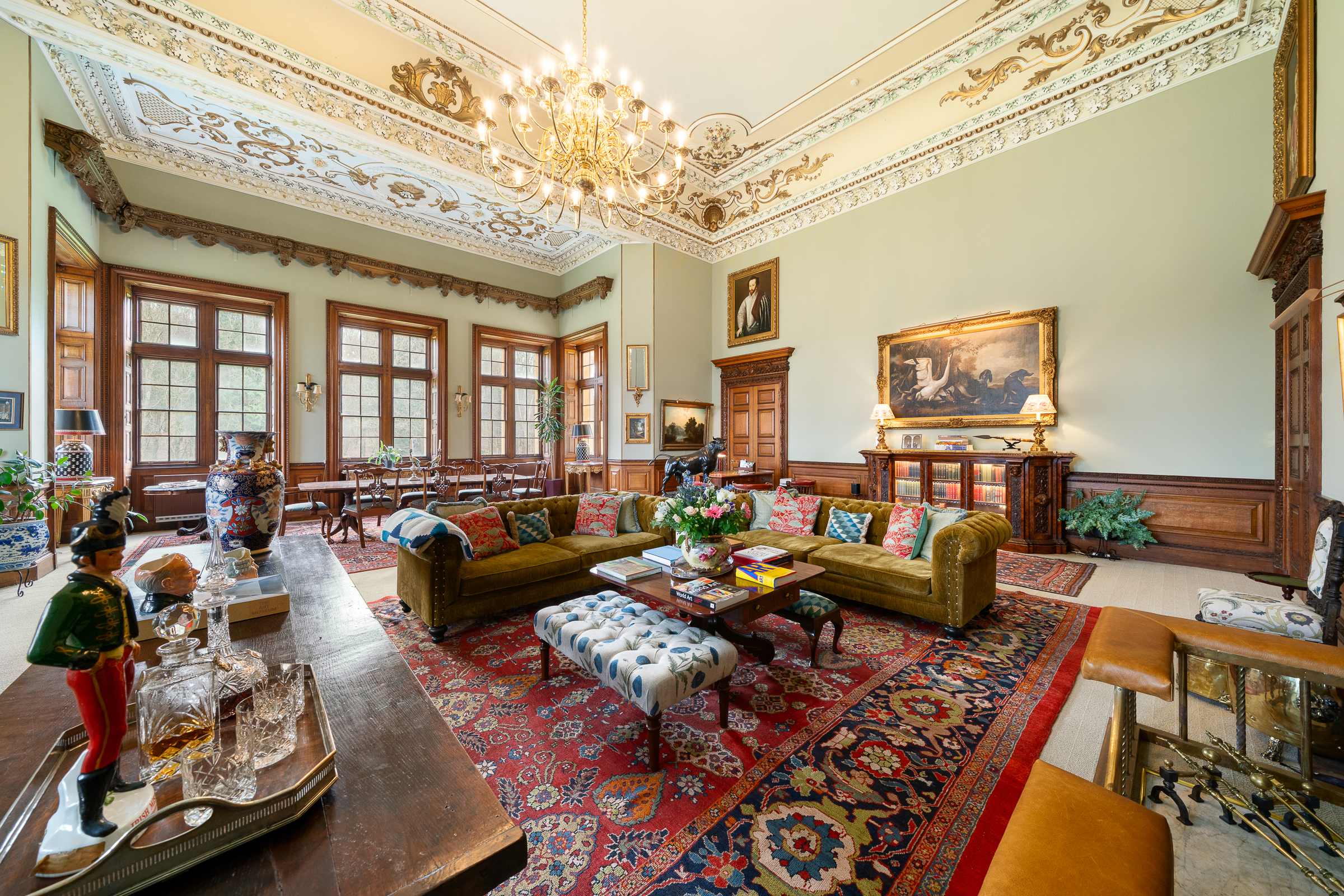
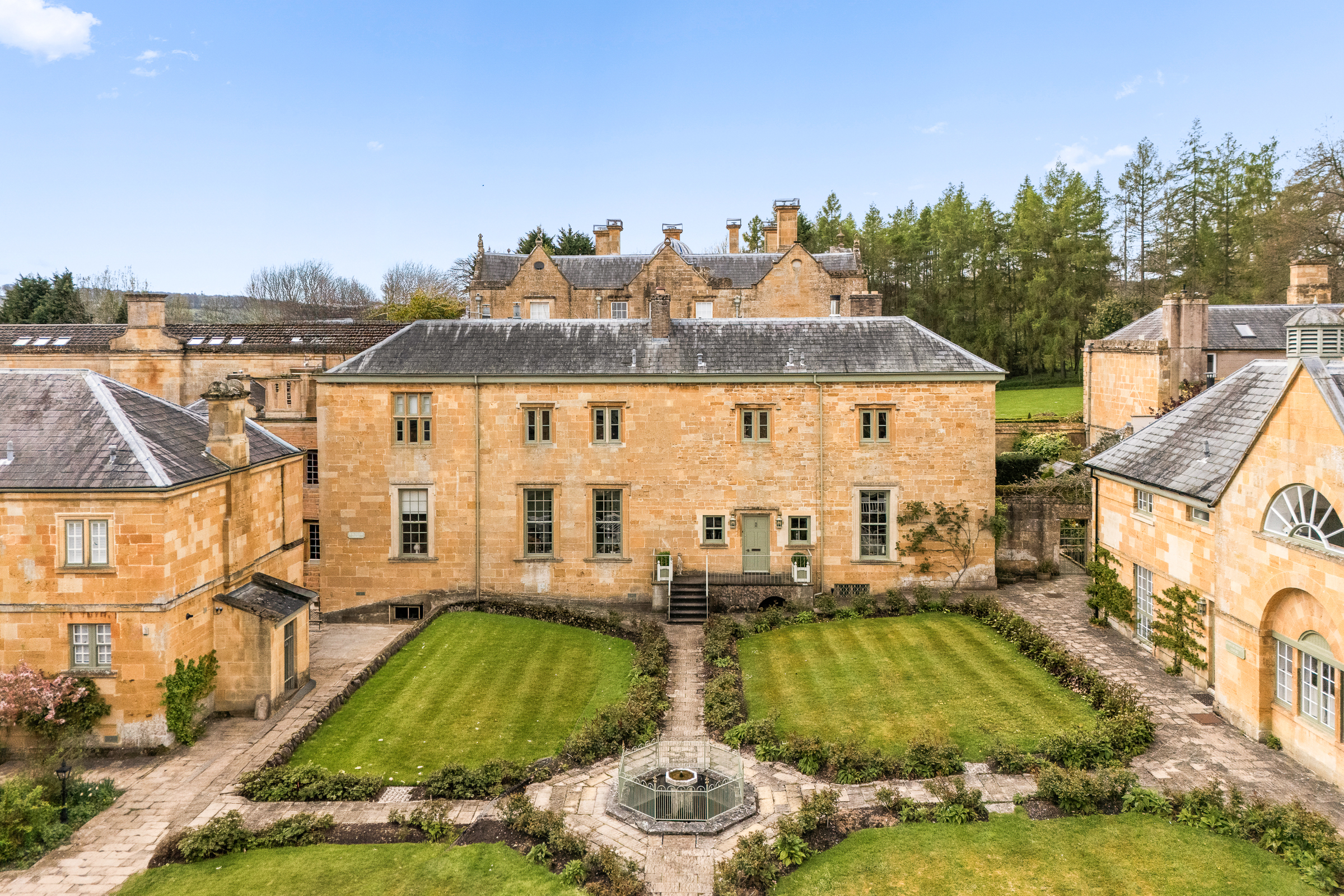
Not only a charming place to live but a practical one, the Cotswolds benefits from strong transport links, particularly via Kingham and Moreton-in-Marsh, which both offer direct rail services to London Paddington in around 90 minutes. As already mentioned, property ranges from converted barns and Grade II-listed cottages to much larger estates which carry centuries of history and character. The region offers one of the most definitive identities for living in the countryside, with horse riding, shooting and other rural pursuits all par the course for living here.

The South Downs
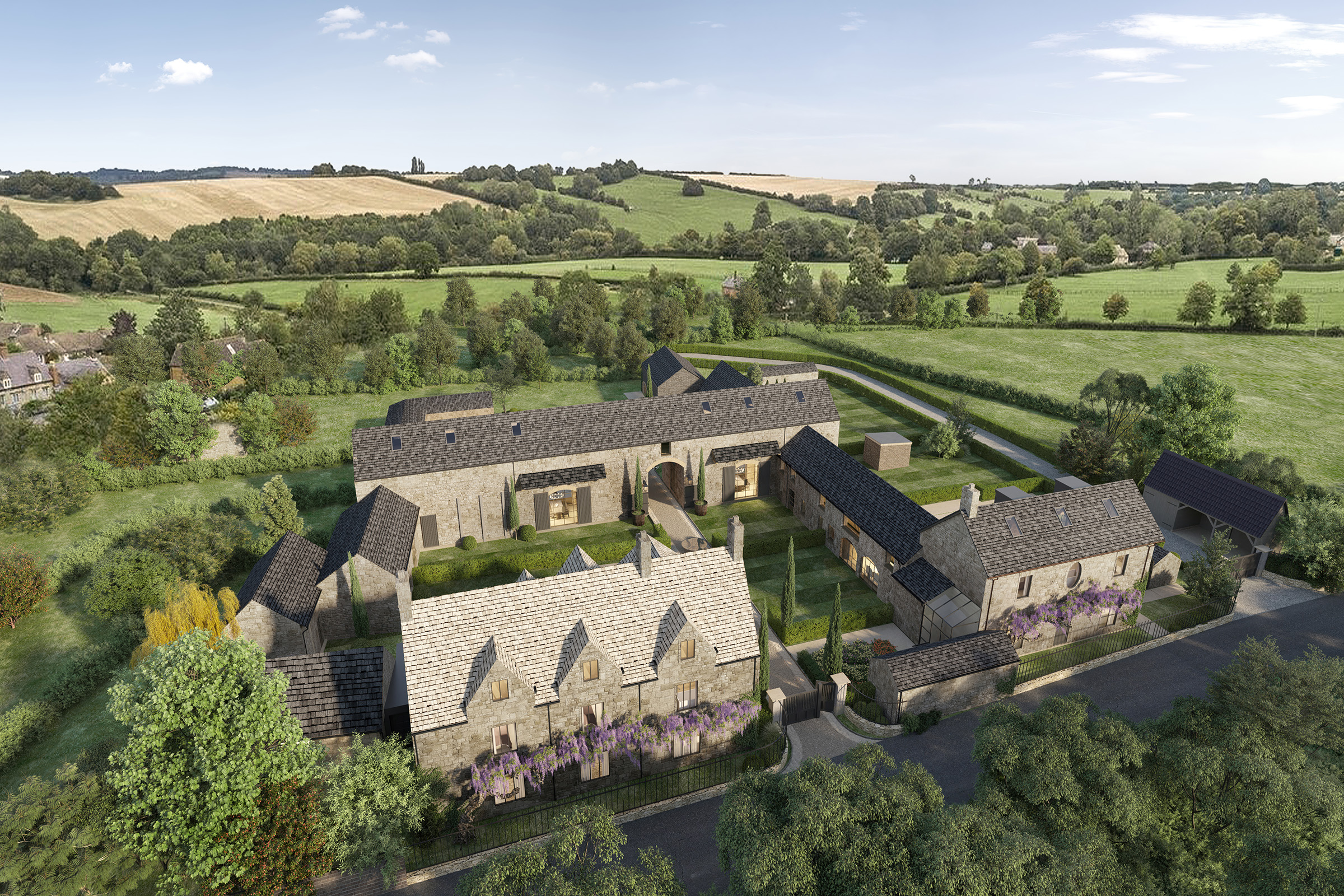
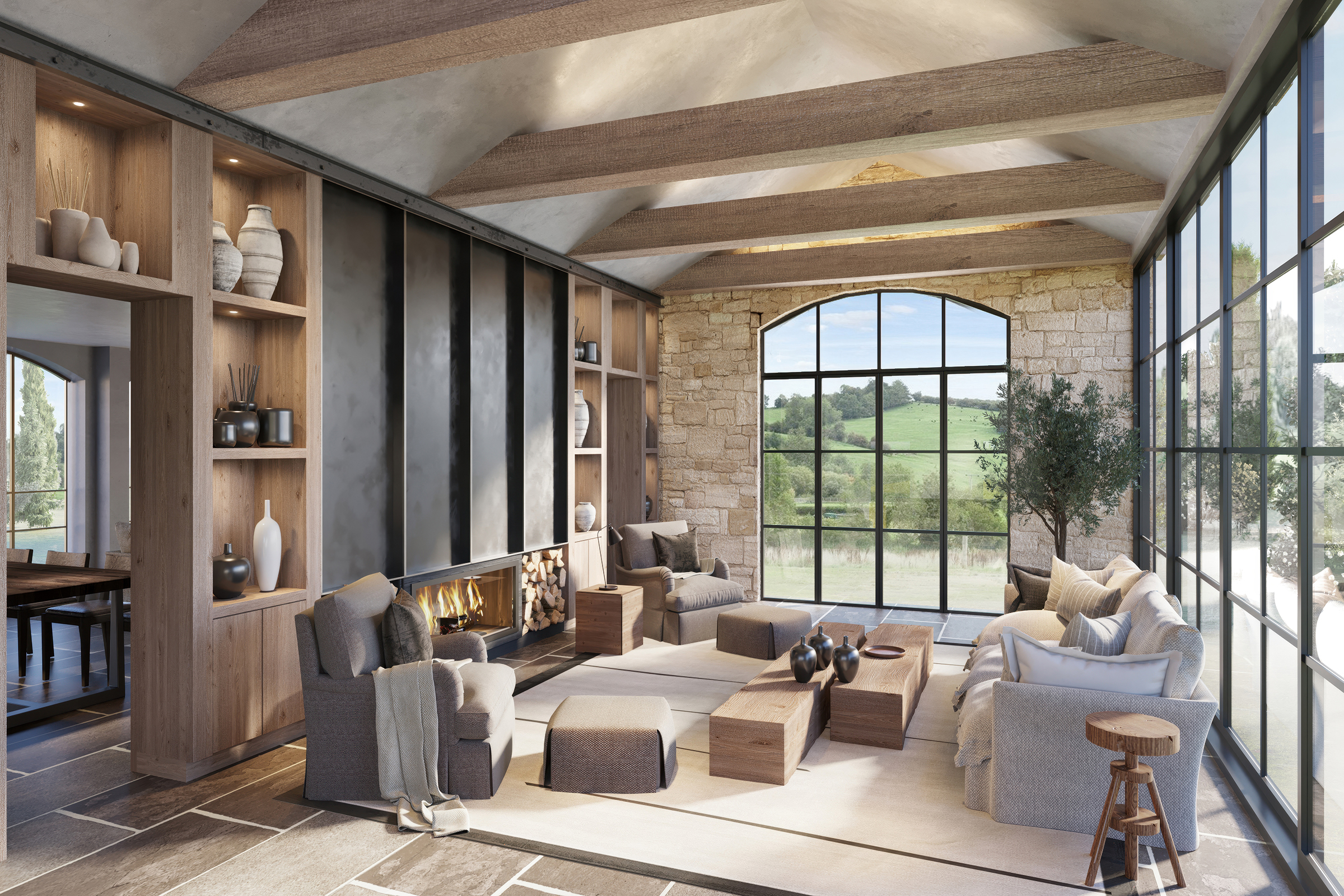
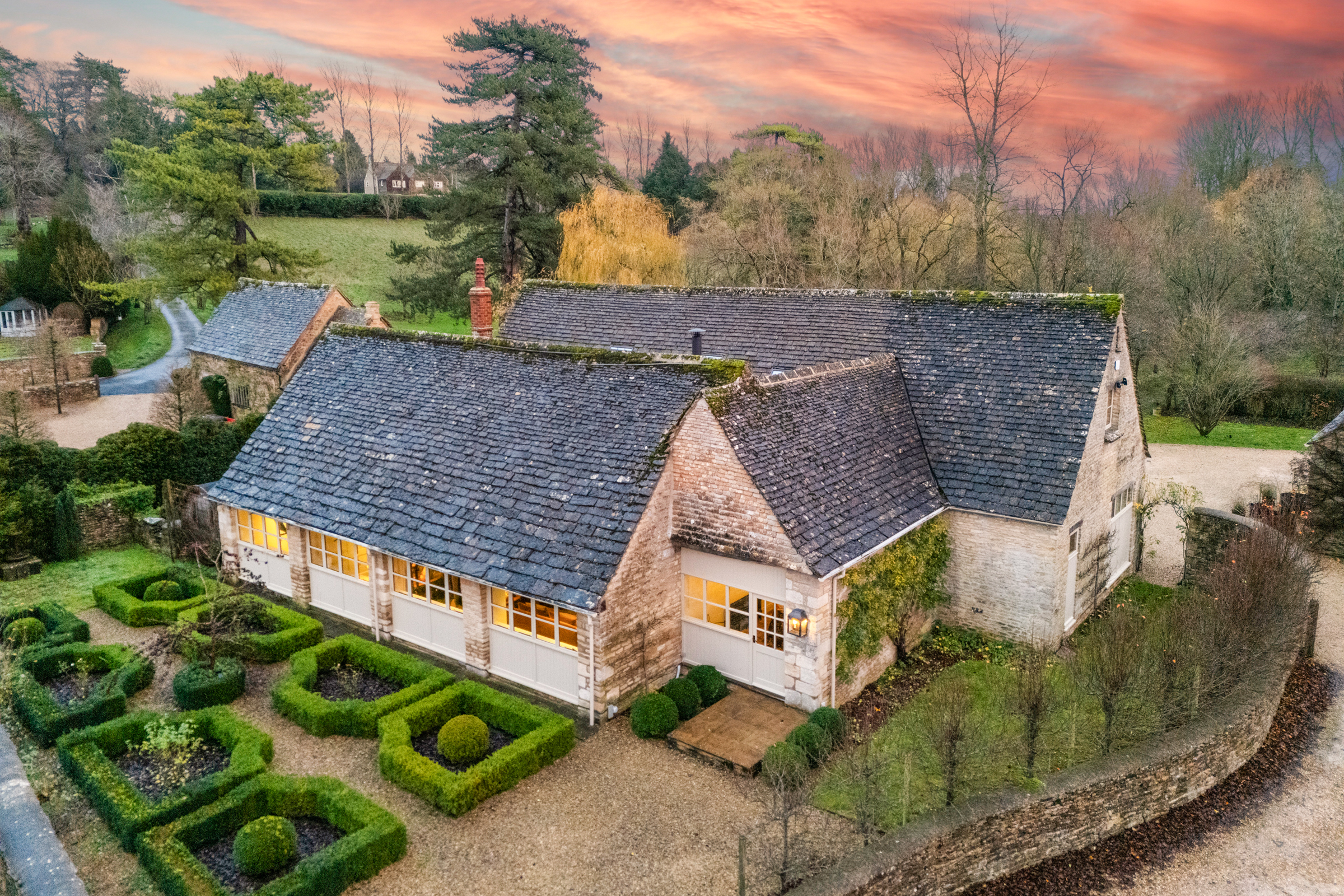
Running from the outskirts of Winchester in Hampshire, all the way to Eastbourne in East Sussex, the South Downs offers a contrasting type of countryside to the previous entry. Defined by rolling chalk hills, sleepy and isolated villages and towns, vineyards and proximity to the stunning South Coast of England. Here is a quieter countryside, with far more space between larger settlements such as Lewes, Petworth, and Chichester. Whilst superbly connected to London via local train services and the M25, cities like Brighton and Chichester have drawn more residents away from the countryside, leaving larger parts around the South Downs practically unspoilt for centuries.
Historic farming villages such as Alfriston and Amberley provide a mix of period housing stock and quieter residential streets, whilst more isolated cottages or manor houses have views which can stretch as far as the coastline or over the many acres of vineyards dotted throughout the region. The opportunity to develop in this area remains ripe, and its appeal only continues to grow thanks to the region's untouched beauty and character.
Norfolk
Historically, Norfolk's relative isolation has protected the region’s distinct character, allowing for a life dictated by the slow-moving Norfolk Broads and the salt marshes of the North Coast, almost hiding the locals away from much of the rest of the world over the centuries. Notoriously flat, the untouched pastures of the area roll for miles in every direction, offering stunning sunsets which linger seemingly longer than those in other areas.
Norfolk's locale is anchored by "flint and brick" villages like Burnham Market, defined by wide greens and classic Georgian architecture that boomed in popularity in this part of the country during the Regency era. From grand old farmhouses to sprawling stone barn conversions that sit within much larger plots, housing is filled with character derived from a strong need for functionality and offers considerably more space than in the likes of London. While transport links to the capital are less frequent, the trade-off is a genuine separation from urban life, supported by a sense of rural stability and peace which feels far more untouched than other parts of the country.
Surrey Hills
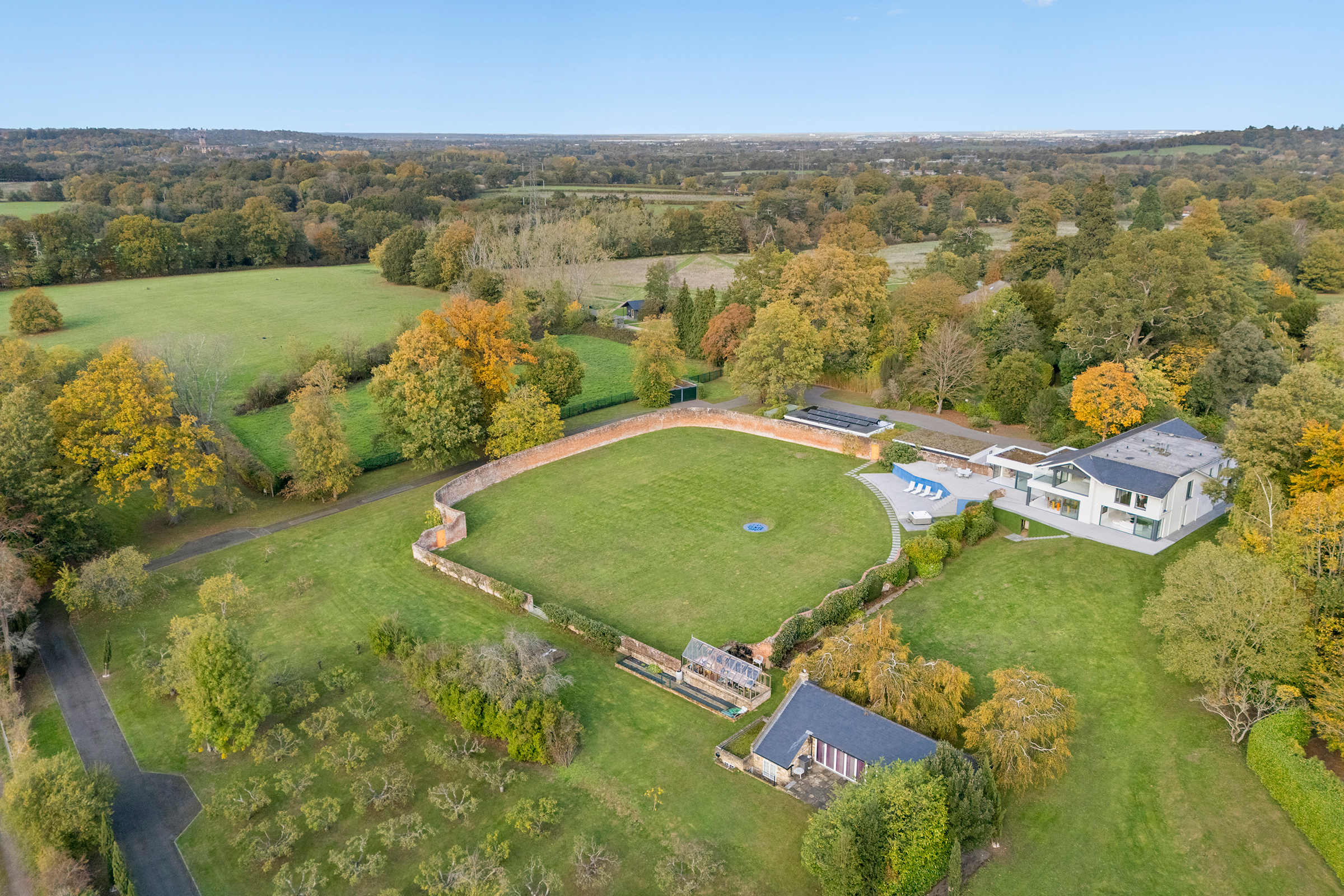
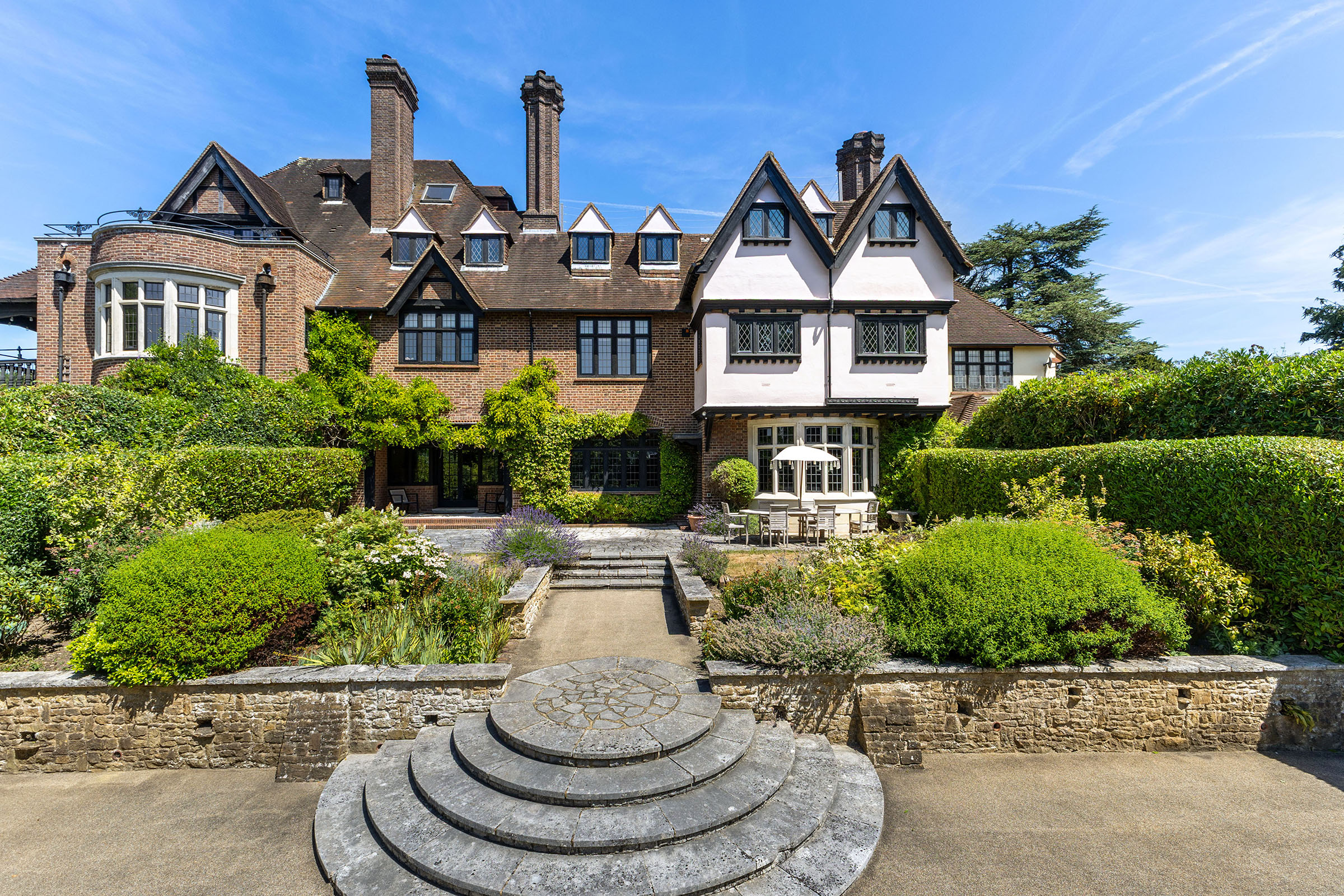
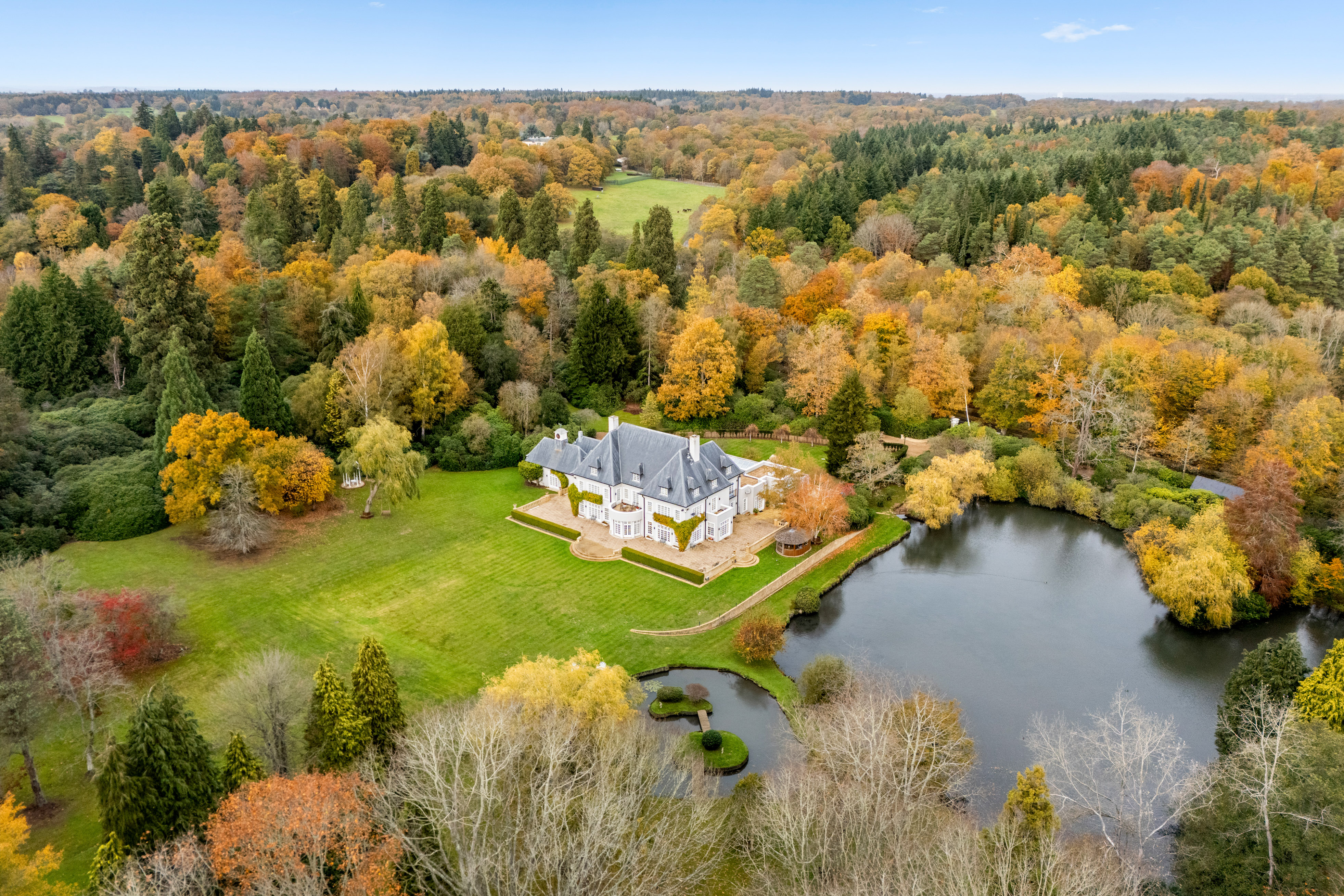
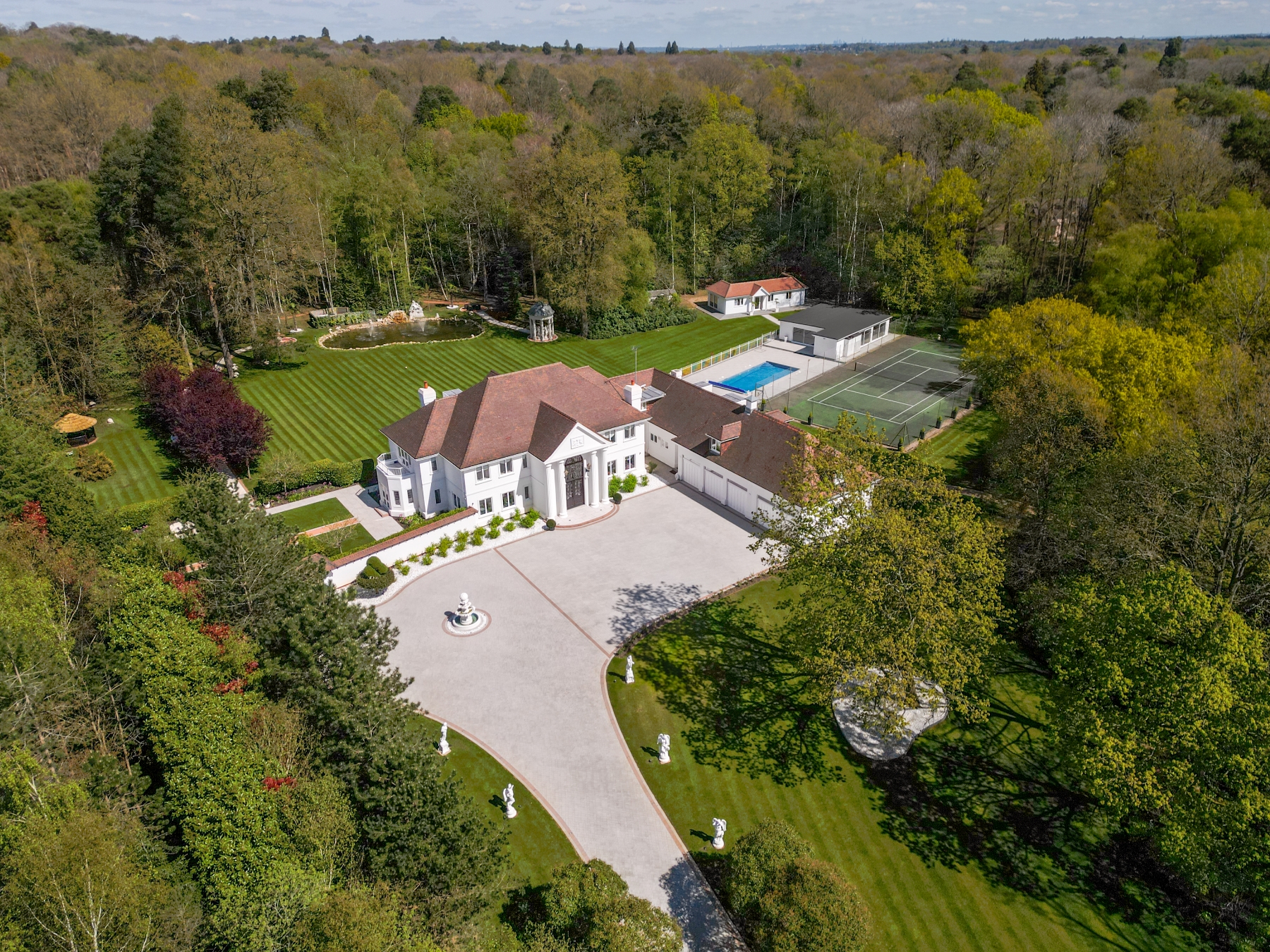
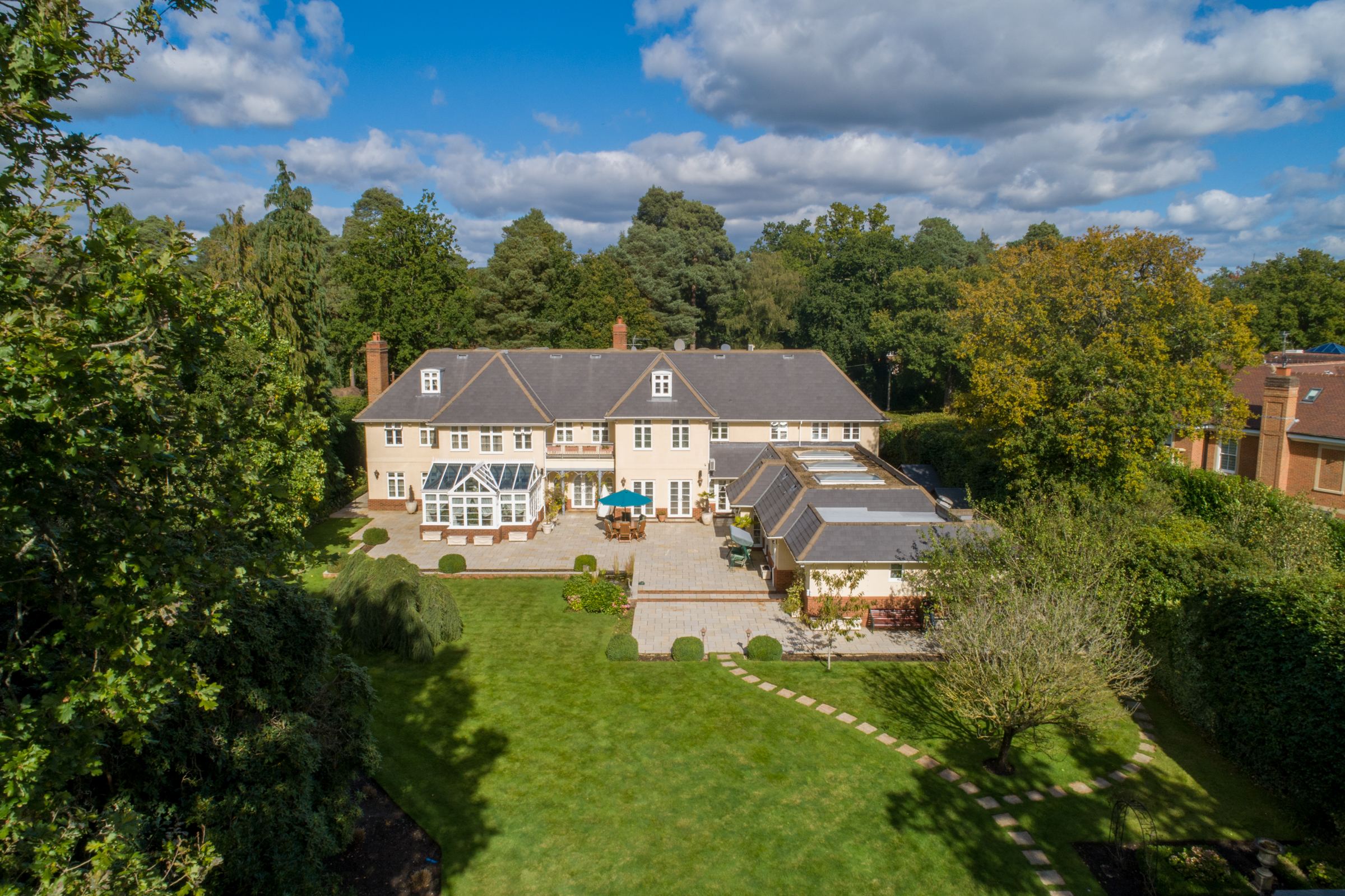
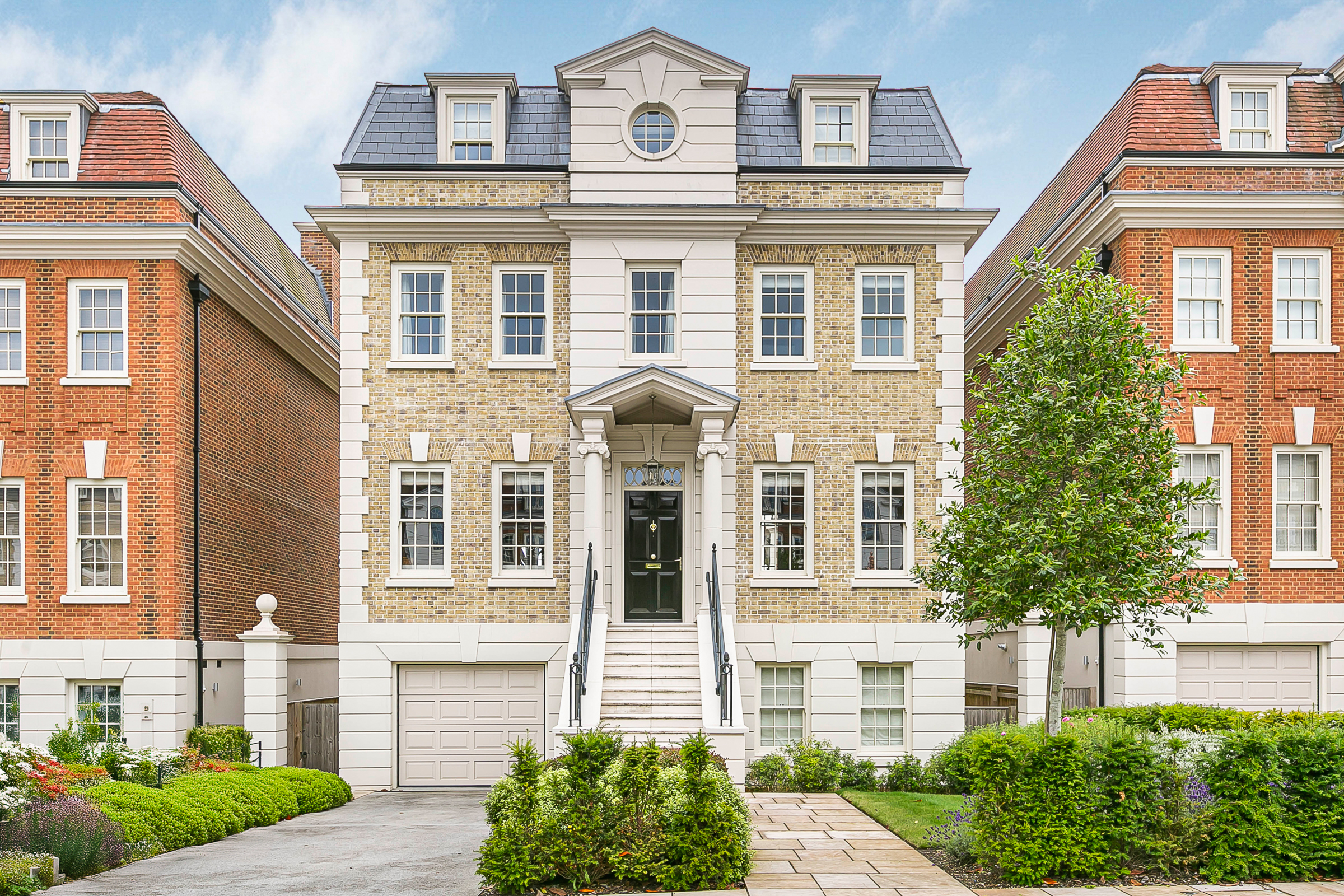
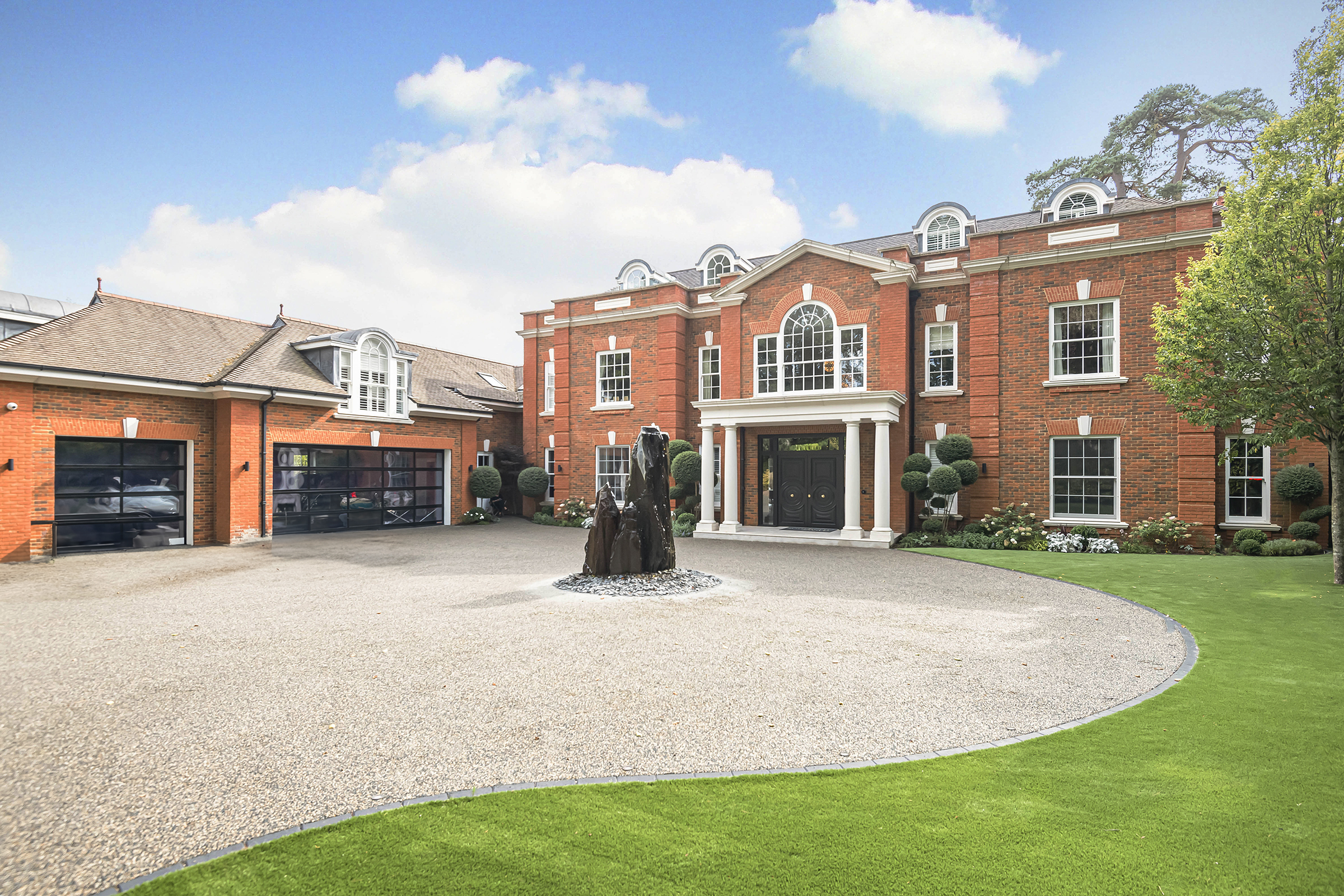
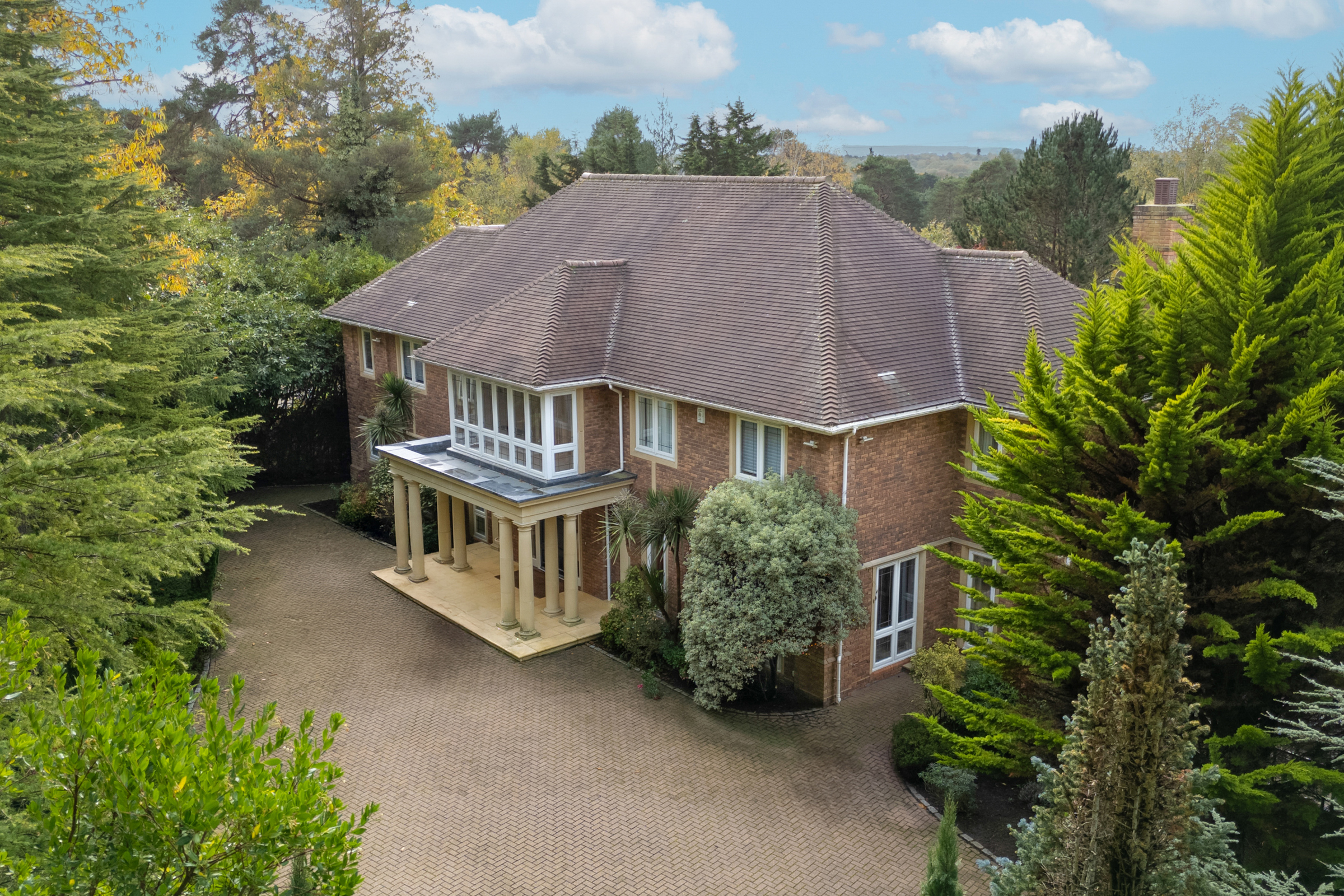
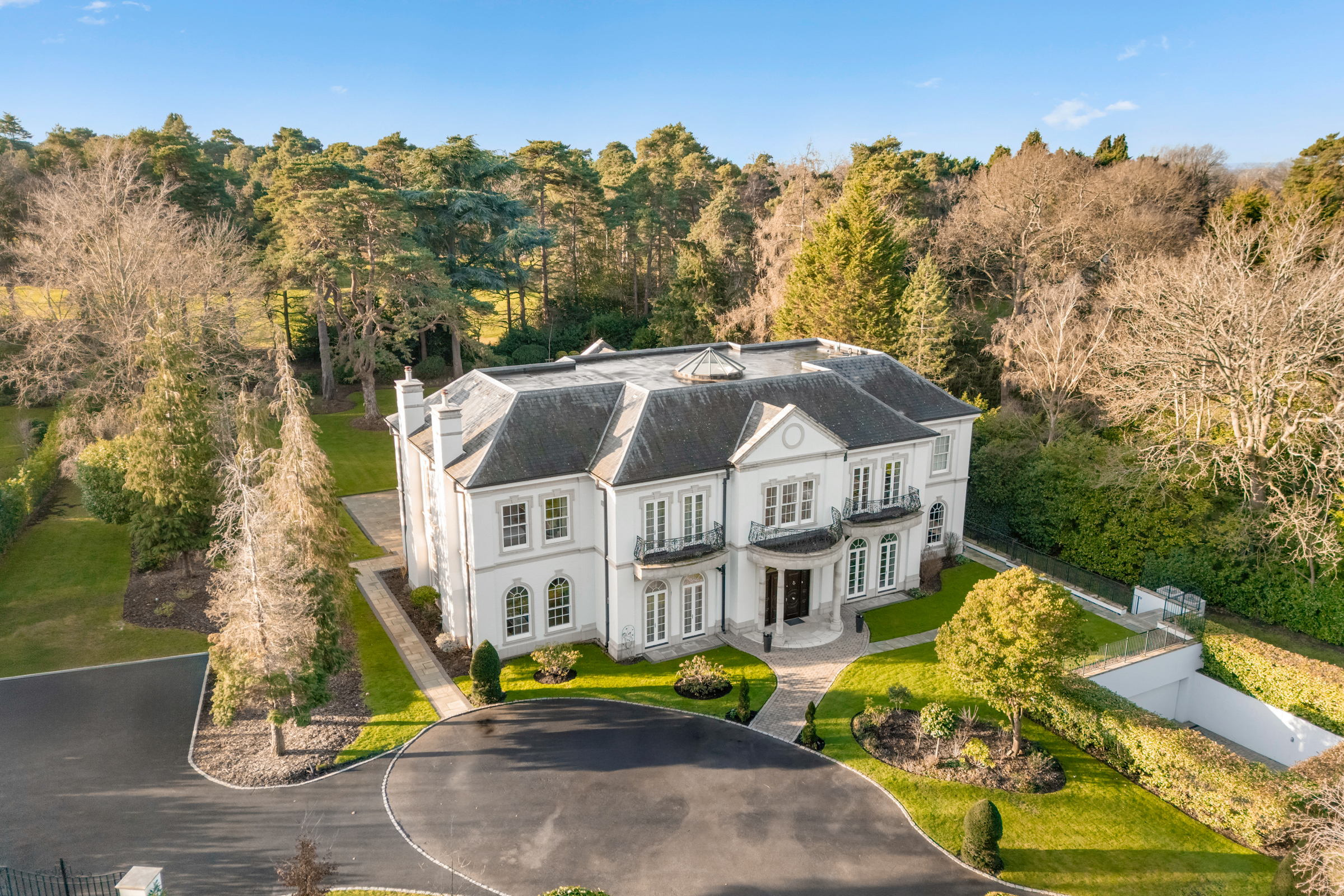
Benefiting from closer links to London, the Surrey Hills provide a more accessible version of countryside living. Designated as an Area of Outstanding Natural Beauty, the region includes picturesque villages such as Shere and Holmbury St Mary, where period properties sit within wooded landscapes and rolling hills, whilst towns including Guildford and Dorking offer fast rail connections to London, making the area extremely appealing for commuting and accessing nearby Gatwick airport.
The Surrey Hills is an ideal go-between for a much more balanced approach to countryside living, which feels rural enough, without full-blown isolation. Areas like Boxhill have been popular since the 17th century, and a great many listed manors and cottages can be found in the area, which make ideal family homes. The hills offer great appeal for cyclists and walkers, whilst benefiting from that close connection to London to make it entirely possible to be strolling through the hills by morning, and sitting down for an evening performance on Tottenham Court Road by supper.
Pembrokeshire
Pembrokeshire's appeal lies in its status as the UK’s only truly coastal National Park. Whilst the coast is a landscape of sheer, daunting high limestone cliffs and hidden sandy coves, inland lies ancient, gorse-covered hills of the Preselis and a countryside which hasn't evolved significantly over the last few hundred years much at all. Whilst much of the larger communities remain dotted along the coast, such as in the colourful harbour towns like Tenby or the tiny cathedral city of St Davids, further inland lies a real opportunity for homes of character and scale that cost a fraction of the price they would in Surrey or the Cotswolds.
Properties range from robust stone cottages and white-washed farmhouses built to last against the harsher coastal elements, many sitting on plots with uninterrupted sea views or the rolling hills of the Preselis. While undoubtedly more cut off from major hubs, the trade-off is a quiet, slower-paced existence amongst stunning scenery, and an abundance of quiet walking paths to explore at one's leisure.
North Yorkshire Moors
The North Yorkshire Moors is one of the largest expanses of heather moorland in Europe, and is famously characterised as a landscape that changes dramatically with the seasons. Unlike the manicured fields of the south, this region offers a deep sense of permanence, shaped by deep valleys which hide hidden waterfalls and the rugged, scorched-looking peaks. The raw, rugged, untamed beauty of this area is hard to do justice to with words alone.
The appeal to living here is anchored by sturdy, locally quarried villages, such as the likes of Helmsley and Robin Hood's Bay on the coast and edge of the park. Life in these settlements always proceeds at a comfortable rhythm until the crowds of summer arrive to explore the undiluted countryside with abandon. From isolated farmsteads and converted barns that sit within significant acreage, while the setting feels remote, the proximity to York and towns like Whitby ensures a practical balance to everyday life that means one is never left feeling completely cut off (unless there is particularly heavy snowfall in winter, of course).