

Published: 27 February 2026
Over the past decade, the global coffee trade has undergone a significant transformation that’s been moulded by concerns about the environmental impact of sourcing coffee and the issue of fair labour, from a growing cohort of consumers who want more than just their run-of-the-mill caffeine fix. The demand for traceability, quality and ethical production has skyrocketed, and although traditional markets are still dominated by large-scale producers in Brazil, Vietnam and Colombia, specialty coffee, the kind often grown at high altitudes by smallholder farmers, has surged into cultural prominence.
This shift is driven by both the supplier side (such as bean and roast varietal experimentation and improved processing methods) and customer demands through increased awareness of sustainability and social equity. With both of these concepts being far more understandable thanks to the growth of the internet and social media, and casting a spotlight on poor industry activities and standards, customers are far more conscientious about their cup of coffee. Today’s best beans are not simply judged on flavour alone, but also on the ecological and social systems that nurture them, from shade‑grown practices that protect biodiversity, to direct trade contracts that ensure farmers receive fair prices for the fruits of their care and labour.
Gesha Village Estate
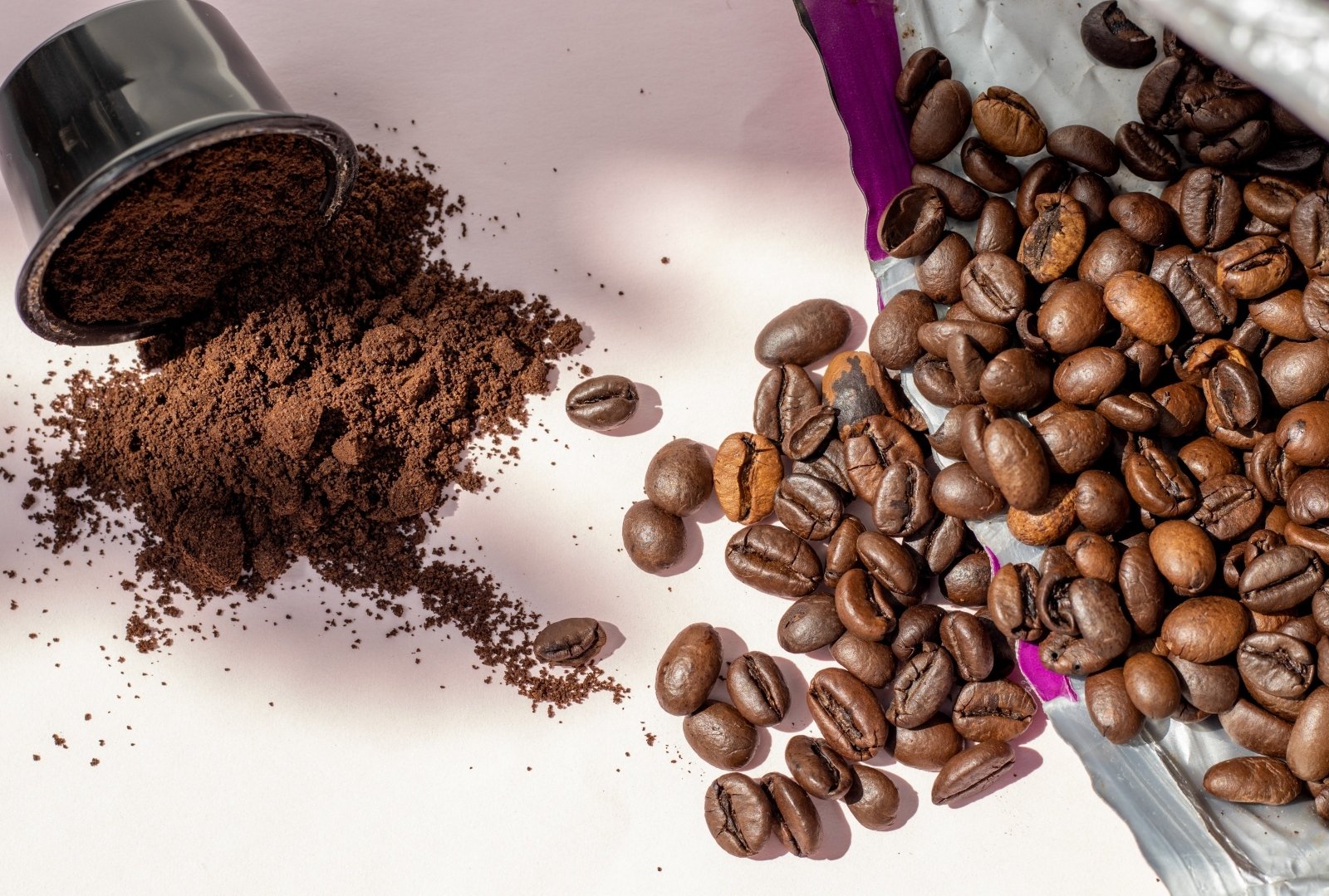
Named after the eponymous bean varietal first discovered in Ethiopia, Gesha coffee beans thrive at higher altitudes in the country’s Boquete region, acclaimed for its coffee growing prowess thanks to nutrient-rich volcanic soil and cool mountain air contributing extraordinary flavour complexity. The beans are processed with meticulous care, often using anaerobic and natural fermentation techniques that emphasise delicate floral notes of jasmine, bergamot, and ripe stone fruit.
What truly distinguishes Gesha Village, beyond flavour, is its leadership in sustainability. The estate is Rainforest Alliance certified, employs shade‑grown systems that preserve forest canopy and soil health, and invests significantly in worker welfare and education. Farmers receive transparent pricing that reflects crop quality and market demand. It’s an exceptionally sourced coffee that redefines quality taste and how drinkers approach buying their coffee.
Finca El Injerto
In the verdant hills of Guatemala’s Huehuetenango region lies Finca El Injerto, a farm that has achieved global acclaim not just for its Cup of Excellence‑winning microlots but for its comprehensive range of sustainable coffee sourcing practices. At the top of the hills, the high‑altitude microclimate combined with volcanic mineral‑rich soils, produces beans with delicious, layered flavours. Sweet caramel meets citrus and deep chocolate undertones, with much of the coffee processed using honey and washed methods that amplify clarity and balance, delivering an even richer flavour once ground and roasted.
Sustainability is woven into every aspect of El Injerto’s operations. The farm prioritises water conservation and integrated pest management, and it runs its own reforestation initiatives to combat soil erosion and enhance biodiversity in the region. The employer cares deeply for its workforce, offering educational programmes for workers’ families and infrastructure improvements in surrounding villages, fostering a deeper relationship with farmers and safeguarding the land it comes from for future generations.
Koke Coffee
Sourced from smallholder farmers near Yirgacheffe, Koke cooperatives use traditional wet‑processing techniques refined over generations, respecting heritage while integrating modern quality control to elevate consistency, and deliver a product that’s worthy of its heritage. The beans boast vibrant, citrus flavours, with floral aromas and a deceptively silky sweetness to finish.
Sustainability is an intrinsic part of Koke’s cooperative system that empowers local growers through profit‑sharing, transparent pricing and investments in cultivation. No chemical fertilisers or pesticides are used, with farmers instead relying on organic inputs and soil management practices passed down through families for generations. By maintaining traditional cultivation alongside contemporary quality standards, Koke helps preserve a unique national and cultural heritage while delivering some of the most exceptional coffee in the world.
Fazenda Santa Inês
Brazil is the globe’s largest coffee producer, but not all Brazilian beans are created equal. Fazenda Santa Inês in the Mantiqueira de Minas region stands out for its exceptional Yellow Bourbon lot. With a distinct, rich, creamy body, low acidity and notes of brown sugar, nuts and gentle citrus, Santa Inês is certified organic and Rainforest Alliance compliant. It emphasises oil health, water conservation and reduced chemical use in all its practices, and the farm employs shade trees to mitigate erosion and enhance the ecological resilience of its crops.
These enviable qualities have made it a favourite among speciality roasters seeking a versatile espresso and filter bean alike, and have seen the appeal of the brand grow significantly in the last few years. By blending traditional Brazilian coffee heritage with rigorous standards driving towards increased sustainability in an industry that’s so climate sensitive, Santa Inês has become a benchmark for responsibly produced beans in the world’s largest coffee‑producing nation.
La Palma y El Tucán
Colombia’s coffee reputation has long been established among the global elite, but a renaissance in speciality coffee is being led by producers like La Palma y El Tucán. Nestled in the Sierra Nevada foothills, the farm cultivates an array of varietals, including Geisha, Caturra and Castillo, applying innovative anaerobic and natural processing methods to tailor flavour profiles ranging from bright tropical fruits to rich cacao notes, for a thoroughly delicious roast.
La Palma y El Tucán’s farm implements contour planting to protect slopes, uses organic composts, and preserves native habitats for local wildlife as its cornerstone practices. Additionally, the company’s social enterprise arm invests directly in the well‑being of workers and neighbouring communities, funding educational initiatives, health clinics and equitable profit‑sharing schemes. It’s a sustainable coffee grower with its heart in the right place, and its taste in all things is impeccable.
Café Granja La Esperanza
Honduras may not have risen to global coffee bean prominence overnight, but its reputation continues to grow, and Café Granja La Esperanza embodies the spirit of this rise exceptionally well. Grown at high altitudes in the Copán region, the farm’s Pacas and Lempira beans are beautifully balanced, with notes of honey, red fruit and brown sugar, often with a silky texture that translates well across various brewing techniques. Carefully hand‑picked and meticulously fermented (ranging from natural to washed practices), each lot expresses its terroir with clarity and confidence, for a wonderful end product.
At La Esperanza, the farm maintains riparian buffers to protect waterways and participates in carbon sequestration projects through reforestation. Crucially, smallholder farmers are incorporated into a cooperative structure that provides market access, quality training and a stable income, creating resilience and community prosperity whilst working to ensure Honduran coffee is now talked about on a global stage, amidst a highly competitive market.